Synopsis
Chengdu, capital of Sichuan Province, is known as the 'Land of Abundance.' Home to giant pandas, the Dujiangyan World Heritage Site, historic Kuanzhai Alley, and unforgettable Sichuan cuisine. A city where millennia of history blend seamlessly with a relaxed modern lifestyle.
Overview
Chengdu, abbreviated as "Rong," is the capital of Sichuan Province and one of the most important central cities in southwestern China. With over 2,300 years of urban history, Chengdu has been known as the "Land of Abundance" since ancient times. The city is world-renowned for its laid-back lifestyle, rich historical culture, and unforgettable cuisine.
Chengdu is the only Chinese city that has maintained the same location and name for over 3,000 years. It is the hometown of giant pandas, home to the Dujiangyan-Qingcheng Mountain World Heritage Site, and was designated a UNESCO "City of Gastronomy" — the first city in China to receive this honor.
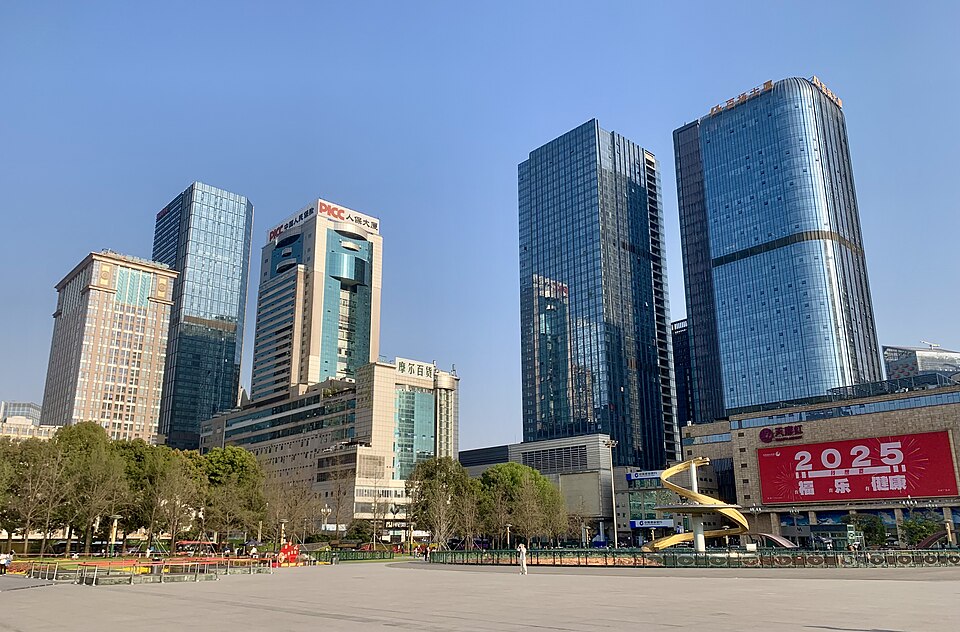
Today's Chengdu is a tapestry of ancient and modern: you can feel the charm of old Chengdu on the flagstone paths of Kuanzhai Alley, experience the bustle of a modern metropolis in the Taikoo Li shopping district, get up close with national treasures at the Giant Panda Base, and savor the slow life in a teahouse on Yulin Road.
History
Chengdu's history dates back to the 4th century BC. The ancient Shu Kingdom established its capital here, and the city went through the rise and fall of the Qin, Han, Three Kingdoms, Tang, and Song dynasties. Chengdu was the capital of Shu Han during the Three Kingdoms period, and Wuhou Shrine was built to commemorate Zhuge Liang, the chancellor of Shu Han.
| Period | Key Events |
|---|---|
| c. 4th century BC | Ancient Shu Kingdom establishes capital |
| 316 BC | Qin state conquers Shu, establishes Shu Commandery |
| 256 BC | Li Bing and his son construct the Dujiangyan irrigation system |
| Three Kingdoms (221-263) | Capital of Shu Han; Liu Bei declares himself emperor here |
| Tang Dynasty | "Yangzhou first, Yizhou second" — Chengdu becomes one of China's most prosperous cities |
| Five Dynasties period | Later Shu ruler Meng Chang plants hibiscus on city walls, Chengdu earns the nickname "Hibiscus City" |
| 2010 | Designated as UNESCO "City of Gastronomy" |
Must-Visit Attractions
| Attraction | Type | Features |
|---|---|---|
| Giant Panda Breeding Research Base | Nature | World's largest giant panda breeding facility |
| Dujiangyan | World Heritage | Irrigation system built in 256 BC, still functioning today |
| Mount Qingcheng | Taoist Mountain | One of the birthplaces of Taoism in China, "Qingcheng is the most serene under heaven" |
| Kuanzhai Alley (Wide & Narrow Alleys) | Historic District | Comprises Wide Alley, Narrow Alley, and Well Alley — old Chengdu architecture |
| Jinli | Historic Street | 仿古 commercial street adjacent to Wuhou Shrine, especially enchanting at night |
| Wuhou Shrine | Historical Site | China's only temple honoring both emperor and minister — Liu Bei and Zhuge Liang |
| Du Fu Thatched Cottage | Cultural Site | Former residence of Tang Dynasty poet Du Fu |
| Chunxi Road / Taikoo Li | Shopping District | Chengdu's most prosperous shopping area |
| People's Park | City Park | Experience Chengdu's teahouse culture and ear cleaning |
| Wenshu Monastery | Buddhist Temple | Best-preserved Buddhist temple in Chengdu |
Chengdu Cuisine
Chengdu is a UNESCO-certified "City of Gastronomy," and Sichuan cuisine is one of China's Four Great Culinary Traditions. Must-try dishes include:
- Hot Pot: Chengdu hot pot is famous for its numbing-spicy (mala) flavor — must-order items include tripe, aorta, and duck intestines
- Chuanchuan Xiang (Skewered Hot Pot): Various ingredients on bamboo skewers, cooked in a spicy broth
- Dan Dan Noodles: Classic Sichuan noodles seasoned with minced pork, crushed peanuts, and chili oil
- Long Chaoshou: Chengdu-style wontons with thin wrappers and tender filling
- Zhong Dumplings: Traditional Chengdu snack served with chili oil dipping sauce
- Mapo Tofu: World-famous representative of Sichuan cuisine
- Fuqi Feipian (Sliced Beef and Ox Tongue): Classic Sichuan cold dish
- Rabbit Heads: A Chengdu specialty — Shuangliu Lao Ma Rabbit Head is the most famous
Recommended food streets: Jinli, Kuanzhai Alley, Jianshe Road, Kuixinglou Street.
Practical Information
| Item | Details |
|---|---|
| Location | Central Sichuan Province |
| Best Season | Spring (March-May) and Autumn (September-November) |
| Recommended Duration | 3-5 days |
| Transportation | Chengdu Shuangliu & Tianfu International Airports, high-speed rail hub |
| City Transport | Metro covers major attractions |
| Panda Base Ticket | Approx. 55 RMB |
| Dujiangyan-Qingcheng Mt. | Dujiangyan ~80 RMB, Qingcheng Mountain ~80 RMB |
| Food Budget | 50-150 RMB/day per person for most food experiences |
Cultural Experiences
- Teahouse Culture: Chengdu people have a tradition of "sitting in teahouses." Heming Teahouse in People's Park is the best place to experience Chengdu's slow life.
- Sichuan Opera Face-Changing: Watch spectacular face-changing performances at Jinjiang Theatre or Shufeng Yayun.
- Ear Cleaning: A unique Chengdu relaxation service available in parks and teahouses.
- Mahjong: Chengdu people's passion for mahjong is legendary — mahjong tables are a common sight in teahouses.
Chengdu — a city you won't want to leave once you arrive. Here, you can experience China's most relaxed and enjoyable way of life.
References
- Baidu Baike: https://baike.baidu.com/item/成都
- Travel Guide: https://www.zainabian.com/sichuan/chengdu/chengdu-travel/
- Sohu: https://www.sohu.com/a/901458861_122427894
Stills & Gallery
Comments (0)