Cantonese Dim Sum
Synopsis
Dim sum is Cantonese cuisine's most iconic culinary tradition — an extraordinary variety of delicate small-plate dishes paired with tea, forming the unique yum cha brunch culture.
Overview
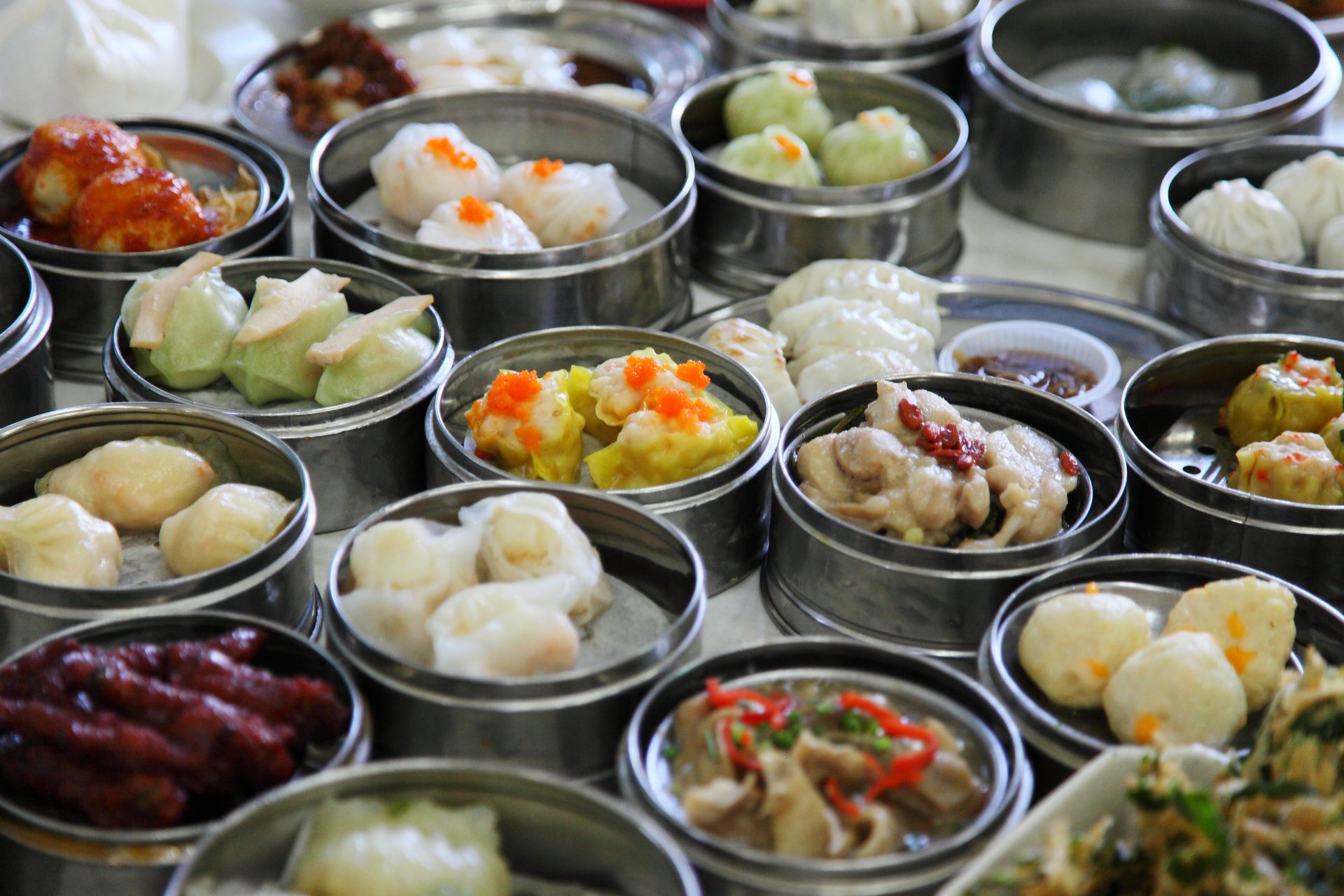
Dim sum (Cantonese: dim2 sam1, Mandarin: diǎnxīn) is one of the most iconic culinary traditions of Cantonese cuisine — a vast array of delicately crafted small-portion dishes served in teahouses and restaurants. The word "dim sum" (点心) literally means "touch the heart" or "a little something from the heart," reflecting the idea of offering small,精致 foods as a gesture of care and affection to diners. Dim sum is intimately linked with "yum cha" (饮茶, "drinking tea"), forming the distinctive Cantonese brunch culture that has endured for centuries.
Cantonese dim sum is extraordinarily diverse. Estimates suggest there are over 2,000 varieties of dim sum across China, with Guangdong Province alone boasting more than 1,000. Dim sum has evolved into an independent culinary branch, encompassing steaming, frying, pan-frying, and boiling techniques, with flavor profiles ranging from sweet to savory, fresh to aromatic — making it one of the world's most diverse small-plate cuisines.
History
The term "dim sum" first appears in the Book of Tang (Old Book of Tang), written during the Five Dynasties and Ten Kingdoms period (907–979 AD). In its original context, the term was used as a verb meaning "to eat a small snack to fill the stomach."
There are two main theories about the origin of dim sum:
One legend traces dim sum to the Eastern Jin Dynasty (317–420 AD). According to the story, a general ordered civilians to make buns and pastries to send to soldiers at the front lines as a gesture of gratitude — "点点心意" (diǎn diǎn xīn yì, "a little something from the heart"). This phrase eventually evolved into "dim sum" as the name for such small food items.
The more widely accepted theory links dim sum to the commercial development of Guangzhou (Canton) during the Song Dynasty (960–1279 AD). By the 10th century, Guangzhou had become a major trading hub, attracting merchants and travelers who frequented teahouses for light meals with tea, establishing the custom of "yat jung loeng gin" (一盅两件 — "one cup, two pieces") — a cup of tea paired with two delicately made food items. As Cantonese teahouse culture flourished, dim sum underwent rapid development in the latter half of the 19th century.
Originally based on local ingredients, Cantonese dim sum chefs gradually incorporated culinary traditions from across China, creating the rich and diverse dim sum system we know today.
Classic Varieties
Among the vast repertoire of dim sum, several dishes stand as the most iconic:
Har Gow (虾饺, Shrimp Dumpling): Translucent crystal wrappers filled with fresh shrimp — one of the "Four Heavenly Kings" of dim sum. The key to great har gow lies in the thinness and transparency of the wrapper and the bouncy, fresh texture of the shrimp filling.
Siu Mai (烧卖, Pork and Shrimp Dumpling): Open-topped dumplings with a thin wrapper filled with a mixture of pork and shrimp, traditionally garnished with crab roe on top.
Cha Siu Bao (叉烧包, BBQ Pork Bun): Soft, fluffy steamed buns filled with sweet and savory barbecued pork (char siu).
Cheung Fun (肠粉, Rice Noodle Roll): Thin sheets of steamed rice flour batter, rolled around fillings such as shrimp, char siu, or beef, served with sweet soy sauce — silky smooth and delicate.
Dan Tat (蛋挞, Egg Tart): Flaky or buttery pastry shells filled with a smooth egg custard — a Cantonese teahouse classic dessert.
Fung Zhao (凤爪, Steamed Chicken Feet): Chicken feet that are deep-fried, then braised and stealed until melt-in-the-mouth tender, seasoned with black bean sauce — a distinctive Cantonese specialty.
Lo Mai Gai (糯米鸡, Sticky Rice in Lotus Leaf): Glutinous rice stuffed with chicken, mushrooms, and other ingredients, wrapped in a lotus leaf and steamed, imparting a distinctive lotus fragrance.
Liu Sha Bao (流沙包, Lava Custard Bun): A modern innovation featuring a flowing salted egg yolk custard filling — when broken open, the golden filling cascades out, creating a dramatic visual effect.
Yum Cha Etiquette
Cantonese tea dining comes with its own set of customs and etiquette:
Finger Tapping: When someone pours tea for you, lightly tap the table with two or three fingers as a gesture of thanks. This custom is said to have originated during Emperor Qianlong's incognito travels — his attendants, unable to kneel in gratitude without revealing his identity, tapped the table instead.
Lid Placement: When the teapot is empty, place the lid ajar on the rim of the pot. Waitstaff will notice and refill it automatically.
Ordering Method: Traditional teahouses use trolleys loaded with bamboo steamers, wheeled between tables. Diners select directly from the carts, and the server stamps a card to track the number of dishes. Today, most restaurants use written order forms.
Tea Selection: Common choices include Pu-erh, Tie Guan Yin (Iron Goddess), chrysanthemum tea, and Longjing. Pu-erh tea is the most popular pairing for dim sum due to its digestive properties.
Practical Information
| Item | Details |
|---|---|
| Origin | Guangzhou, Guangdong (10th century origins, 19th century flourishing) |
| Best Experience | Guangzhou (Tao Tao Ju, Guangzhou Restaurant, Dian Dou De); Hong Kong (Luk Yu Tea House, Lin Heung Tea House) |
| Dining Hours | Morning tea: 5:00-11:00; Lunch: 11:00-15:00; some teahouses serve all day |
| Average Cost | 50-150 yuan/person (casual); 200-400 yuan/person (premium) |
| Must-Order | Har gow, siu mai, char siu bao, cheung fun (the "Four Heavenly Kings") |
| Tea Pairing | Pu-erh, Tie Guan Yin, chrysanthemum |
Global Influence
With the worldwide migration of Cantonese-speaking Chinese, yum cha and dim sum culture have spread across the globe. In major cities across North America, Europe, Southeast Asia, and Australia, Cantonese teahouses are virtually ubiquitous. Historic establishments like Hong Kong's Lin Heung Tea House and Tao Tao Ju, alongside modern chains like Lei Garden and Maxim's, have all contributed to the internationalization of dim sum culture.
In recent years, dim sum has also seen creative innovation. Some chefs have introduced fusion dim sum, combining Western ingredients with traditional dim sum techniques. Social media has popularized visually creative dim sum, such as panda-shaped buns and pig-shaped pastries, which are especially popular among younger diners.
Dim sum is more than just food — it is a social ritual. Friends and family gathering around a table, sipping tea, chatting, and sharing small dishes embodies the Chinese philosophy of "meeting friends through food" (以食会友). It is a living tradition that continues to evolve while preserving its cultural roots.
References
- Wikipedia - Dim sum
- Baidu Baike - 点心
- Yan-kit So - Chinese Gastronomy
- Time Magazine - Dim Sum Guide
- New York Times - Yum Cha dining tradition
Stills & Gallery
Comments (0)