Synopsis
The Yungang Grottoes in Datong, Shanxi, are China's first major imperial cave temple complex. With over 59,000 Buddhist statues carved since 460 AD, they represent the first peak of Chinese Buddhist art. UNESCO World Heritage since 2001.
Overview
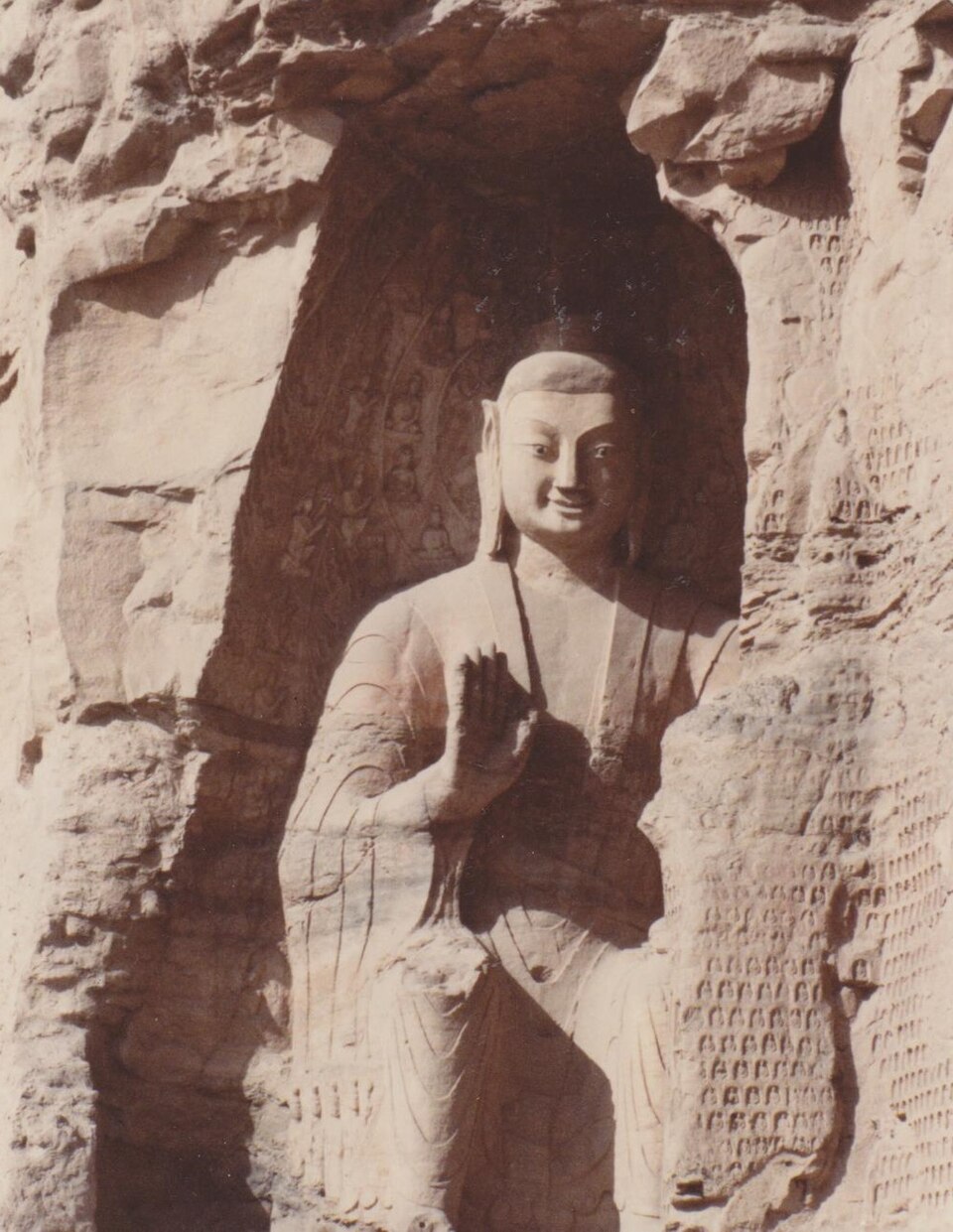
The Yungang Grottoes (云冈石窟), located at the southern foot of Wuzhou Mountain, 17 kilometers west of Datong City, Shanxi Province, are one of China's most famous cave temple complexes. Anciently known as the Wuzhou Mountain Great Stone Cave Temple, the grottoes were carved during the Northern Wei Dynasty when the capital was at Pingcheng (modern Datong), with a history of over 1,600 years.
The Yungang Grottoes were primarily carved between the 2nd year of Xing'an (453 AD) and the 19th year of Taihe (495 AD) of the Northern Wei Dynasty, with the main sculpting spanning approximately 60 years. The grottoes are carved into the mountainside, extending about 1 kilometer from east to west. There are 254 numbered and unnumbered caves, including 45 major caves, 209附属 caves, and over 59,000 Buddhist sculptural figures.
The Yungang Grottoes are the first large-scale cave complex in China to be carved under the direction of imperial nobility. They represent the pinnacle of Chinese Buddhist art and the highest achievement of 5th-century world sculptural art.
In 2001, the Yungang Grottoes were inscribed on UNESCO's World Cultural Heritage List.
History
| Period | Event |
|---|---|
| 3rd year of Huangshi, Northern Wei (398) | Emperor Daowu moves the capital to Pingcheng (Datong); Wuzhou Mountain becomes a key transport hub |
| Heping era, Northern Wei (460) | Monk Tanyao begins carving the "Tanyao Five Caves" (Caves 16-20), the earliest caves at Yungang |
| Zhengguang era, Northern Wei (524) | Carving of Yungang Grottoes largely completed |
| 1961 | Designated as a Major Historical and Cultural Site Protected at the National Level |
| 2001 | Inscribed as UNESCO World Cultural Heritage |
Main Caves
The Yungang cave complex is divided into eastern, central, and western sections:
| Section | Main Caves | Features |
|---|---|---|
| Eastern (Caves 1-4) | Caves 1-2 | Primarily pagoda caves ("tower caves") |
| Central (Caves 5-13) | Tanyao Five Caves (16-20), Caves 5-6 | Most magnificent caves, the essence of Yungang |
| Western (Caves 14-45 and subsidiary caves) | Cave 3 (largest cave at Yungang) | Medium and small caves, many carved after the Northern Wei moved its capital to Luoyang |
Tanyao Five Caves (Caves 16-20)
The Tanyao Five Caves are the earliest and most magnificent caves at Yungang, carved under the direction of the monk Tanyao around 460-465 AD. These five caves feature enormous Buddha statues, with the tallest being the 16.8-meter outdoor Great Buddha in Cave 20, which has become the iconic landmark of Yungang.
The sculptural style of the Tanyao Five Caves was influenced by Gandharan and Indian art, while also incorporating Central Plains cultural elements, reflecting the vibrant cultural exchange during the Northern Wei period.
Caves 5 and 6
Caves 5 and 6 are a pair of caves and are among the most richly sculptured at Yungang.
- Cave 5: The main seated Buddha (Shakyamuni) is 17 meters tall — the largest Buddha at Yungang
- Cave 6: Also known as the "Buddha Mother Cave," its interior sculptures are extraordinarily exquisite,被誉为 "the greatest sight at Yungang"
Cave 3
Cave 3 is the largest cave at Yungang, approximately 60 meters wide, 30 meters deep, and 15 meters high. The cave contains three large Buddha statues, which were added during the Tang Dynasty.
Artistic Value
The artistic style of the Yungang Grottoes can be divided into three periods:
- Early Period (Tanyao Five Caves): Buddha statues are monumental in scale, with facial features showing Gandharan influence (high noses, deep-set eyes), reflecting Indian and Central Asian artistic influence
- Middle Period (Caves 5-13): Sculptures become more Sinicized; Buddha faces become rounder, costumes more refined, and carving more detailed
- Late Period (after Cave 20): Buddha figures become more slender, reflecting the Southern Dynasty aesthetic of "slender bones and clear features"
When inscribing Yungang as a World Heritage Site in 2001, UNESCO described it as "a masterpiece of the first peak period of Chinese Buddhist art."
Practical Information
| Item | Details |
|---|---|
| Location | Yungang Village, Yungang Town, Yungang District, Datong City, Shanxi Province |
| Best Season | Year-round; May-October is best |
| Suggested Visit Duration | 3-4 hours |
| Admission | Peak season (Apr-Oct) ~125 RMB, Off-season (Nov-Mar) ~100 RMB |
| Transportation | Bus Route 3 / Rapid Bus 3 from downtown Datong direct to Yungang Grottoes |
| Nearby Attractions | Datong Ancient City Wall, Huayan Temple, Shanhua Temple, Hanging Temple (~75 km from Datong) |
World Heritage
In 2001, the Yungang Grottoes were inscribed by UNESCO as a World Cultural Heritage Site. UNESCO's evaluation noted:
- The sculptural art of the Yungang Grottoes represents the first peak period of Chinese Buddhist art
- The Yungang Grottoes demonstrate the highest achievement of 5th-century world sculptural art
- The Yungang sculptural style had a profound influence on later Chinese cave art (such as the Longmen Grottoes)
References
- Baidu Baike: https://baike.baidu.com/item/云冈石窟
- Wikipedia: https://zh.wikipedia.org/wiki/云冈石窟
- Shanxi Provincial Government: https://www.shanxi.gov.cn/zjsx/sxfg/ajjq/202208/t20220819_6966823.shtml
- UNESCO: https://whc.unesco.org/en/list/1039/
Stills & Gallery
Comments (0)