Books by Matilde Civitillo
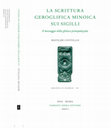
BIBLIOTECA DI «PASIPHAE». Collana di filologia e antichità egee Diretta da Louis Godart, Anna Sacconi
Liberi dal preconcetto che l’unica lettura possibile dell’eterogeneo complesso di segni grafici ricorrenti su glittica fosse esclusivamente quella fonetica, ci si è qui interrogati su come questi dovessero essere letti nei loro diversi contesti di occorrenza, ovvero quale fosse il piano (linguistico o grafico) sul quale doveva avvenire, di volta in volta, la loro decodifica. Si è inteso, pertanto, tentare di tratteggiare un quadro interpretativo pluridimensionale dell’atto scrittorio su glittica, che tenga conto del ruolo, delle funzioni e delle connotazioni della scrittura geroglifica minoica, sulla base di una impostazione teorica definibile, in prima approssimazione, antropologica. A questo fine sono stati analizzati anche i “contorni” dell’atto scrittorio, quali la scelta dei materiali in cui sono lavorati i sigilli; il rapporto tra tipologia glittica e contenuto delle iscrizioni; gli strumenti di esecuzione dei segni; la retorica compositiva delle iscrizioni (sia sulle singole facce dei prismi sia nelle loro relazioni transfacciali); le norme grafiche operanti nella loro stesura; il rapporto tra diversi gruppi di segni in relazione al loro significato; l’uso sfragistico dei sigilli iscritti e il contesto culturale e sociale al quale risultano intimamente legati.
L’analisi di tali fattori dimostra l’esistenza di una sorta di “canone” attraverso il quale i testi su sigillo venivano eseguiti, classificati e – dunque –, interpretati, essendo evidente un costante collegamento tra significato dell’iscrizione, supporto al quale è affidato, tipologia dei materiali impiegati nella sua produzione (sempre più preziosi con l’aumentare della complessità testuale e/o del significato dell’iscrizione affidata al sigillo) e categorie segniche coinvolte nell’atto scrittorio. L’insieme di questi fattori, agenti come stimoli surrogati, avrebbe suggerito la corretta decodifica del messaggio affidato alla superficie glittica, trasmesso attraverso regole e schemi condivisi e immediatamente percepibile dagli utenti del sistema, anche se veicolato su piani e attraverso codici diversi. Lungi dal rappresentare un’anomalia, infatti, la presenza congiunta di segni dallo statuto diverso si impone come una caratteristica peculiare delle iscrizioni in geroglifico minoico quando ricorrenti sul supporto glittico, dove quella attraverso il medium linguistico era solo una delle possibili codifiche. Quando operante su sigillo, infatti, il sistema dimostra di poter passare, a seconda dei contesti, dal piano della comunicazione visiva a quello della comunicazione linguistica, mettendo in atto contemporaneamente procedimenti comunicativi basati su codici diversi. In uno stato di tensione continua tra il carattere iconico e il carattere fonico dei segni, tra la natura multidimensionale dell’icona e la dimensione lineare della sequenza univoca di segni grafici normativamente eseguibili foneticamente, il registro visivo e quello scrittorio sembrano, dunque, agire parallelamente.
In questo contesto, anche i segni privi di esecuzione linguistica normativa sembrano essere stati usati secondo regole riconoscibili e si dimostrano già selezionati e codificati nell’ambito del patrimonio simbolico della glittica antico e medio minoica. Ciò permettere di istituire, per la Creta del periodo prepalaziale, un collegamento tra gli stadi più antichi dell’elaborazione di sistemi semiotici caricati di un profondo valore simbolico e il patrimonio emblematico proprio della glittica. Pertanto, anche questi segni grafici (fungenti, in alcuni casi, da vere e proprie icone) appartengono al dominio dei segni codificati dalla comunità a fini comunicativi, che sembrano aver dato luogo a significati convenzionali, riproducibili e identificabili sulla scorta di competenze condivise; ciò che vi sarebbe precipitato, però, sarebbe stato immediatamente un universo concettuale (tipi cognitivi) e non la sua codificazione in termini linguistici.
Dunque, quelle ricorrenti su sigillo sono “vere” iscrizioni, destinate, però, a essere lette con la retorica propria di questo supporto e secondo un processo complesso di decodifica del significato dei segni grafici. Sebbene con ampi margini di incertezze sul riconoscimento di aspetti specifici, rispetto ai quali ci si muove ancora nel campo delle ipotesi, sembra ormai chiaro che il sistema scrittorio geroglifico minoico, quando usato su supporto glittico, si configuri come il portato di un sistema semiotico con una propria, precisa fisionomia, profondamente legato alle dinamiche culturali e comunicative della società che lo ha inventato e utilizzato.
Papers by Matilde Civitillo
Pasiphae 19, 2025
APPUNTI ROMANI DI FILOLOGIA XXVI, 2024, pp. 55-73. issn print 1129-3764 e-issn 1827-7993. DOI: 10.19272/202402001005, 2024
Keywords · Cretan Hieroglyphic, Logograms, Acrophonic logograms, Monograms, ‘Ligatures’.
Pasiphae 17, 2023, 95-110., 2023
“Beyond Linear B: on Rarely Attested Sign Categories in Cretan Hieroglyphic Seals and Clay Documents”, Pasiphae 18, 2024, 39-56. DOI: 10.19272/202433301004 , 2024
Keywords · Cretan Hieroglyphic, “Archanes Formula”, “Matrix Seals”, Klasmatograms, “Ligatured Signs”, Acrophonic Abbreviations.

Apropos the New Corpus of Linear B Tablets from Pylos
Mnemosyne, 2020
Polygraphia, 2021
PASIPHAE, Rivista di filologia e antichità egee, vol. XV (2021), Istituti Editoriali e Poligrafici Internazionali, Pisa – Roma, 2021
http://www.libraweb.net/articoli3.php?chiave=202133301&rivista=333&articolo=202133301005
Mantichora, numero speciale a cura di Civitillo, M., Macrì, S. e Romani, S., Performatività e mondo antico: simboli, pratiche, oggetti, ritorni, 2017
Cretan hieroglyphic script – seals and sealings – hieroglyphic ‘Archanes formula’ – Minoan ‘libation formula’ – ‘Archanes script group’

PASIPHAE Rivista di filologia e antichità egee, vol. VIII, Dec 2014
Atti della Accademia nazionale dei Lincei. …, Jan 1, 2007
The main interest of syllabic sign AB 80 lies in its palaeographical connections with a sign used only iconographically on Minoan glyptic: the “cat mask”. In this respect, AB 80 is one of the many “ambiguities” in the sign use in the Hieroglyphic and Linear A writing systems, revealing a conscious functional choice of Linear A-scribes. In Linear B, AB 80 seems to be -formally at least- one of the constituent syllables of *145 WOOL. It is temping, indeed, to suppose that this sign is a direct borrowing from the Linear A monogram Lc 46 -made up of AB 80 + AB 26, sometimes interpreted as maru, gr. mallos, which it closely resembles, while *145 WOOL seems to be used as a stereotyped part of the ideographic repertory. So we could ask, on the linguistic level, whether the connection with that word was -if possible- non normative -at least, not anymore-, with *145 designating “wool” on purely pictographic level and being truly an ideogram. As we can see, the presence or absence of linguistic codification -and, subsequently, the distinction between the graphic and the linguistic level- seems to represent the chief question of this multifunctional sign use, following a nearly circular process from its use with iconographical function on Minoan seals until designating, probably only ideogrammatically, the wool in Linear B.
Nell’ambito della diatriba tuttora in corso sull’identificazione più corretta della Itaca omerica, rivestirebbe di sicuro un ruolo di enorme importanza il rinvenimento di iscrizioni nelle Lineari A e B che, a fronte di un panorama archeologico di natura frammentaria e controversa per le fasi del Bronzo Medio e Tardo, potessero testimoniare le forme e il grado di partecipazione dell’isola al più vasto panorama egeo del II millennio. La questione della presunta attestazione di materiali iscritti con questi sistemi scrittori è stata portata recentemente alla ribalta dall’individuazione, da parte di un team dell’Università di Ioannina, di un altamente sospetto 'segno iscritto' (in Lineare A o B) su una 'tavoletta' proveniente da Aghios Athanassios, ubicato in prossimità del sito di Pelikata, donde Faure annunciò di aver individuato due ostraka iscritti in Lineare A in un contesto fortemente disturbato relativo all’AE II-III. Di conseguenza, è sembrato opportuno ripercorrere le vicende interpretative di tali manufatti, che l’analisi epigrafica ed una serie di osservazioni cronologiche e contestuali hanno dimostrato non recare alcuna iscrizione riconducibile al segnario di nessun sistema scrittorio noto in uso nel II millennio. D’altra parte, l’esame del recente frammento 'iscritto' di Aghios Athanasios spinge a concludere che questo debba essere escluso dalla discussione relativa alle forme e alla tipologia della 'frequentazione' minoica o micenea della porzione settentrionale di Itaca per gli insuperabili problemi cronologici presentati dal suo contesto di rinvenimento, la mancanza di qualunque evidenza relativa ad un contesto socio-economico che avrebbe potuto produrre e giustificare un’iscrizione su una 'tavoletta' vergata con una delle Lineari egee, le sue caratteristiche esterne (cottura intenzionale) e interne (compresenza di un 'segno' di scrittura e graffiti sprovvisti di alcuna intenzionalità scrittoria). Di conseguenza, i manufatti incisi oggetto di indagine non sembrano poter far progredire in alcun modo o modificare in maniera decisiva il dibattito tuttora in corso sull’identificazione della Itaca omerica.
La vicenda di popolamento dell’insediamento di Mileto nell’età del Bronzo ha costituito, nell’ultimo ventennio, il cardine dell’elaborazione di un quadro meglio dettagliato e strutturato della frequentazione minoica e micenea della costa microasiatica e delle isole del sud/est Egeo, rappresentandone il caso più evidente e, allo stesso tempo, complesso. Oltre ai dati derivanti dalla ripresa delle attività di scavo sul sito, all’elaborazione del suddetto quadro hanno contribuito in maniera significativa nuove acquisizioni sul fronte delle evidenze epigrafiche, grazie alle quali la geografia politica dell’Anatolia occidentale risulta oggi meglio conosciuta e l’identificazione di Mileto con la Millawanda citata nei documenti ittiti confermata su più solide basi. Per il tramite di questo insediamento, che si configura come base principale delle operazioni svolte su suolo anatolico dagli emissari di Ahhiyawa, è stato quindi possibile individuare una serie di significative corrispondenze tra le informazioni sulle attività di quest’ultima nel sud/est Egeo desunte dai testi ittiti (reinterpretati alla luce di una più sicura lettura in senso diacronico) e l’evidenza archeologica della frequentazione micenea di questo comprensorio geografico, sia in riferimento alla sue scansioni cronologiche che alla sua distribuzione areale. La conseguenza del nuovo scenario che si è andato configurando ha, inoltre, consentito di riaffrontare, con un approccio più consapevole dell’organizzazione politico-territoriale della Grecia micenea nonché metodologicamente più sicuro nell’interpretazione dei testi etei, l’annosa questione della valenza della designazione ittita Ahhiyawa che (senza aggiungersi meramente alla lunga lista delle interpretazioni proposte) sembra oggi poter essere collegata ad una precisa regione del continente greco.

in P. Carlier, C. De Lamberterie, M. Egetmeyer, N. Guilleux, F. Rougemont, J. Zurbach, Études mycéniennes 2010. Actes du XIII[e] colloque international sur les textes égéens, Sèvres, Paris, Nanterre, 20-23 septembre 2010, “Biblioteca di Pasiphae” X, Istituti Editoriali e Poligrafici Internazionali, 2012
Discussing the proportion of Greek versus non-Greek names observed in the documents from the Room of the Chariot Tablets, Jean Driessen remarked that if the concentration of Greek names is related to the social context of the personnel mentioned - a highly controversial question -, this may have some consequences in our understanding of the social composition of the cnossian population in the latter stages of Greek Bronze Age. Moreover, being the RCT the oldest Linear B deposit at Knossos, Driessen wonders if comparing the results deriving from the analysis of these personal names with the whole cnossian corpus from the other deposits could be historically (with the Greek and non-Greek names thematically restricted to different socio-economic contexts or mutually mixed) and linguistically (being in relation with the language-shift in Crete) significant. Unfortunately, “no reference work exist to perform such an analysis”, except the studies made by Baumbach (Ap, As, C- series), Ilievski (D- series) and Varias Garcia (B- series) and the statistical analyses carried out by R. Firth, that shows a trend in which non-Greek names are generally restricted to inferior socio-economic contexts. Moreover, it is difficult to assess whether carrying a Greek name actually implies ethnic group affiliation. If in conditions of language shift a congruence between mother-tongue and social status can be traced, because some socially distinct groups often lead the rest of the population, it is equally possible (as suggested by sociolinguistic parallels) that individuals belonging to a socially inferior class may have chosen Greek names (possibly to acquire status) or can get nick-names by Mycenaean administrators, who can also try to hellenizing names they can’t understand.
Keeping in mind these basic problems, the aim of this paper is to suggest, also on the basis of the prosopographical study made by Landenius Enegren, some remarks about this topic by examining personal names from Linear B sets from Knossos not jet analyzed in a socio-linguistic perspective, focusing on difficulty in recognizing the identity of people bearing the names and the way in which Mycenaean scribes registered the personnel (often by professional designations, ethnics or simply VIR/MUL ideograms) and wondering if the data represent the whole island population.
M. Civitillo, "Il sillabogramma *19: status quaestionis e proposte di lettura", Pasiphae 1, Pisa - Roma 2007, pp. 131-149.
Curiosamente, prima dell’inserimento di PY Vn 10 nel dossier di attestazioni del segno *19, era stata proposta una interpretazione coerente della tavoletta sulla base di una lettura del termine e-pi-pu-ta oggi non più sostenibile, ma che risultava plausibile sul piano semantico e contestuale, oltre a trovare una corrispondenza precisa tra l’oggetto designato dal termine ricostruito ed un elemento strutturale del carro miceneo. In base all’attuale sistemazione del materiale epigrafico è stato ipotizzato un valore sillabico del segno (ru2) che risulta soddisfacente in tutte le sue occorrenze, lasciando, tuttavia, qualche perplessità circa la pertinenza del termine ricostruito e-pi-ru2-ta (epi- /ryu-tas/ o /sru-tas/, cfr. rutḗr e rutṓs) proprio nel contesto di PY Vn 10, ove l’accessorio o il manufatto designato dalla parola in questione viene fornito dai du-ru- to-mo ad un atelier preposto all’assemblaggio dei carri.
Questa incertezza ha favorito un riesame della documentazione cnossia, all’interno della quale, in tre testi della serie Ra(2) dall’edizione tormentata, ricorre il termine e-pi- zo-ta. Se il contesto di attestazione di quest’ultimo a Cnosso escluderebbe ogni confronto con il pilio e-pi-*19-ta, una più approfondita analisi dei documenti oggi assegnati alla serie Ra(2) ne ha messo in luce alcune particolarità che li rendono vistosamente difformi da quelli siglati Ra(1). Questi ultimi sono stati redatti dallo scriba 126 e provengono da un deposito (J3) diverso rispetto al luogo di rinvenimento (I3) delle tavolette Ra(2) che, vergate da 127, rappresentano gli unici testi discordanti rispetto alla normale produzione di questo scriba, autore delle tavolette della serie Se. Anche se nulla vieta di pensare che egli abbia potuto occasionalmente redigere testi diversi rispetto ad inventari di carri e ruote, i documenti in esame presentano una serie di discrepanze sintattiche e lessicali rispetto alle altre registrazioni di spade tali da aver determinato, prima della loro giuntura e definitiva lettura, una loro più coerente attribuzione ad una serie relativa ad inventari di carri e ruote (Se o, più genericamente, Sx). Da questa assegnazione era scaturita una lettura del termine e-pi-zo-ta come epíssōta o epissṓta (< *epi-kyota, gr. epísōtron), designazione del “bendaggio” della ruota. Per un caso estremamente interessante, questa lettura potrebbe fornire una interpretazione soddisfacente del termine e-pi-*19-ta (e-pi-zo2-ta) attestato a Pilo, che si rivelerebbe testualmente coerente e permetterebbe di spiegare la fornitura di questi
accessori da parte dei du-ru-to-mo, nonché attribuire definitivamente la parola alla terminologia specialistica della carpenteria dei carri. Se e-pi-*19-ta ed e-pi-zo-ta fossero varianti di uno stesso termine, inoltre, il contesto di rinvenimento del nodulo tebano (in associazione con elementi decorativi per cavalli e carri) renderebbe possibile stabilire una precisa corrispondenza tra il contenuto dei tre noduli rinvenuti nel thesauros (di soggetto analogo ai documenti Wr di Pilo), quello della serie Se di Cnosso (redatta da 127) e l’ambito al quale appartiene il testo vergato in PY Vn 10, oltre a risolvere i problemi lessicali posti dai documenti attualmente siglati Ra(2).
Tuttavia, la loro attribuzione a questa serie impone, ad oggi, la necessità di trovare per il termine e-pi-zo-ta un significato diverso, che se può risultare plausibile in un contesto di registrazioni di spade, è più difficilmente trasponibile nel documento pilio, lasciando nuovamente insoluto il problema della fornitura di questi accessori da parte dei du-ru-to-mo. Allo stato attuale, dunque, sembra che ciascuna delle strade seguite, nel confronto tra un termine in cui sia attestato *19 ed uno altrimenti noto, risolvano solo parzialmente la questione, rispondendo ad alcuni interrogativi e lasciandone aperti altri. Di conseguenza, i risultati di questo studio, che vuole mettere in luce le curiosità e le contraddizioni che hanno caratterizzato l’analisi di testi apparentemente difformi eppure collegati tra loro come in un grande puzzle, linguisticamente e testualmente ineccepibili ma risultate “errate” a seguito di nuove testimonianze epigrafiche, dovranno ritenersi del tutto ipotetici.
The aim of this paper is to show that the mycenaean anthroponymy could provide an indication, although generic, about relations between Crete, Greek Mainland and the aegaean coast of Anatolia during the Late Bronze Age.
Among the Linear B tablets, the record of si-mi-te-u/Smintheus, personal name at Cnossos and Thebes and common noun with a widespread diffusion in Troad (where it is also a toponym) and at Rhodes during the I millennium BC, suggests a very interesting working hypothesis. Indeed, this term seems to be, with good deal of evidence, an hellenized one, for the nominal element that precedes the suffix -eus has no explanation in greek, and the suffix -nth- shows its microasiatic origin. Moreover, and it is a very uncommon case, we have reminiscences and etymological informations about it, although dissonants, in the scoliographic and lexicographic sources. The sources explain the term alternatively as equivalent of greek mus in the mysian or cretan language and Smintheus, in the Apollo epithet’s sense, as appellative deriving from substantive or, according to an interpretation that goes back to Aristarcus, as etnic of Sminthe, city of Troad.
Of greatest interest seems to be the tradition quoted by Eustatius’ scolium ad Iliadem I.39, according to which the Cretans founded in the Troad a colony, named Sminthia, and a temple of Apollo worshipped as Smintheus, in the meaning of “Mouse-killer” since, in their dialect, the mice were called sminthi. Leaving the historicity of that event out of consideration, undoubtedly the scoliast’s historical memory preserves a link between the Cretans and the inhabitants of anatolian coast so strong that he presupposes a minoan colonization of these coasts. Therefore, the hint that seems more interesting to us is to follow the cretan origin of the term and, afterwards, the evidence, through both toponym and appellative, of a minoan familiarity with the north-west coast of Anatolia.
In historical times as well, Apollo Smintheus seems to be especially linked with Crete, and the presence of the anthroponym at Cnossos (the name of a shepherd, perhaps a “minoan”) acquires an important value. Finally, if we could attribute the sillabical value of Linear B signs to the omographes ones of Linear A, we might be able to read on a tablet from Haghia Triada (TH 96a) the term si-mi-ta, probably a personal name.
The diffusion both of the toponym and of the appellative gived by Strabo includes a geographical area that, besides Rhodes, joins Tenedos, Chrysa, Hamaxitos (where an Apollo Smintheus’ temple lies), Larisa and the islands between Lesbos and the Anatolic coast. From an archaeological point of view, this area provides only few sherds of minoan and mycenaean wares, but it was probably, in the light of recent exavations at Troy, part of Minoan and (most probably) Mycenaean trading area.
With a great deal of hypoteticity, this study could confirm, from a linguistic point of view, the great dynamism of connections between the inhabitants of the aegaean and anatolian areas.
Atti della Accademia nazionale dei Lincei. Rendiconti …, Jan 1, 2001
L'analyse des anthroponymes attestés dans les tablettes en linéaire B des séries D- de Cnossos nous a permis de dresser un bilan du pourcentage de noms grecs figurant dans ces documents administratifs remontant à la Crète du début du 14ème siècle avant notre ère. Elle nous a permis aussi d'épingler une série de noms de personnes appartenant de toute évidence au substrat minoen. L'étude de ces noms pourrait ouvrir des perspectives à la compréhension du système graphique linéaire A qui, à ce jour, demeure toujours illisible et indéchiffré.