Vignettes of Computer-based Museum Interactive and Games Software through the Years

Electronic Workshops in Computing

https://doi.org/10.14236/EWIC/EVA2022.30Last updated

Abstract

Museums have used computers to develop exhibition interactives and games over the years. This paper provides early case study examples and historical context. During the 1980s, computer-based displays in museum exhibitions were largely standalone. In the 1990s, the availability of the web allowed networked interactivity. In the 2000s, access via smartphones became increasingly widespread, enabling mobile access from personal devices. As well as the early examples, the paper provides an overview of more recent developments. Online gaming, including serious games with the purpose of not just entertainment, but educational and cultural, has increased in prevalence. Preservation and access to these digital resources have their own unique issues, and these are reflected in the paper, especially for early examples.

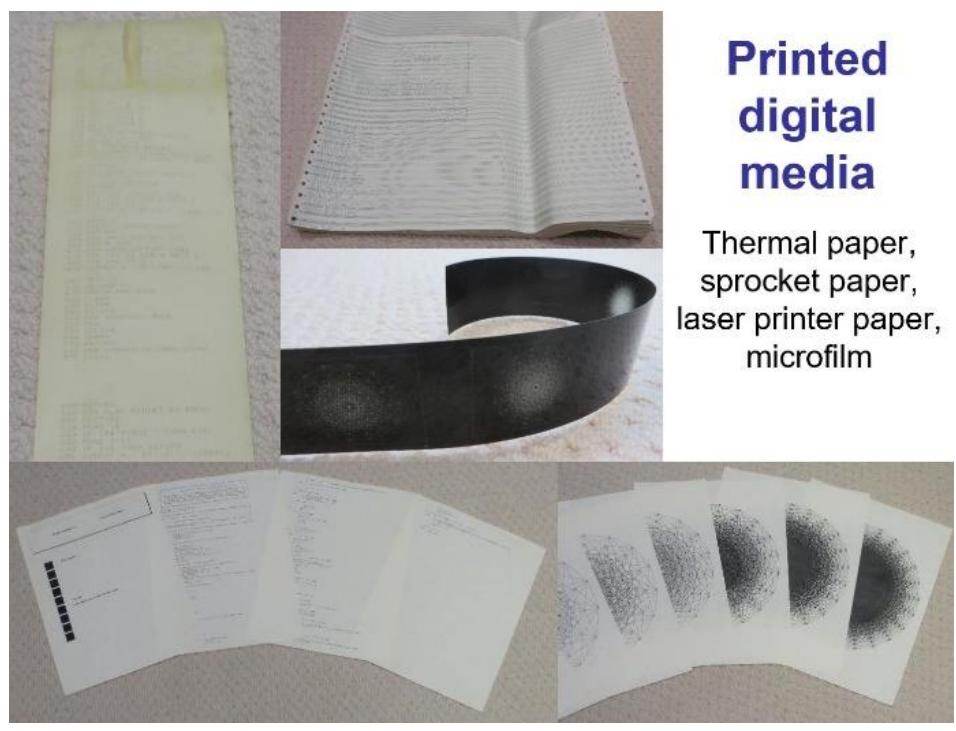
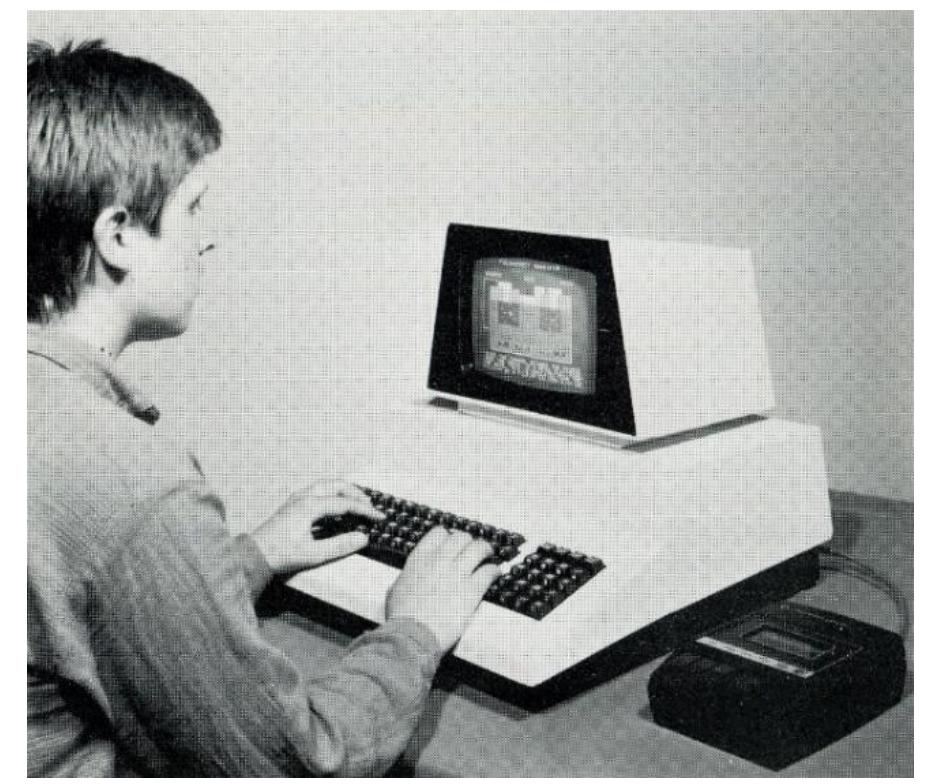
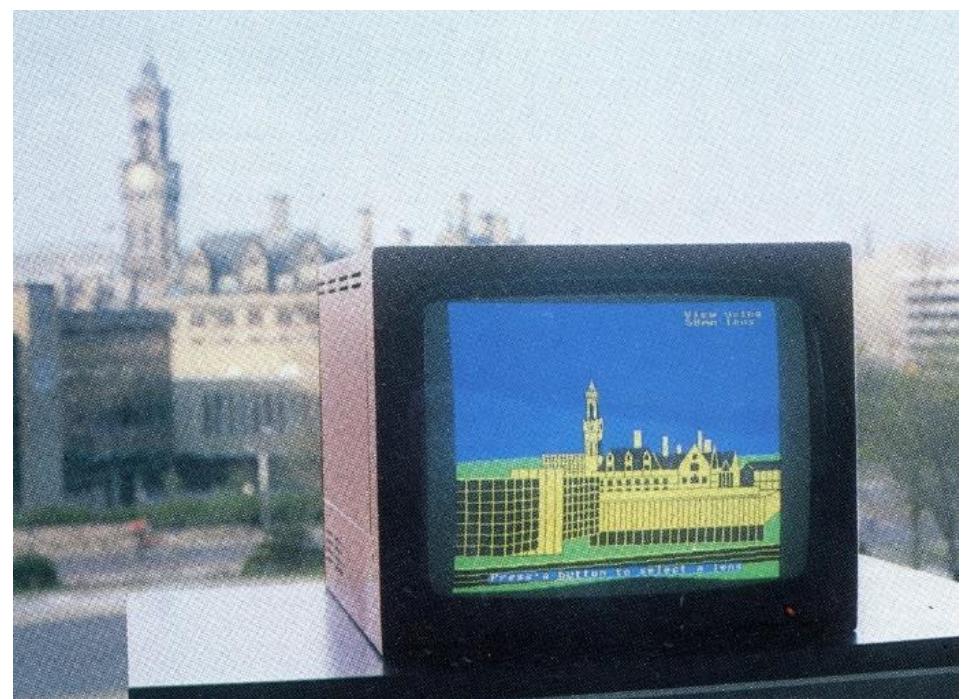
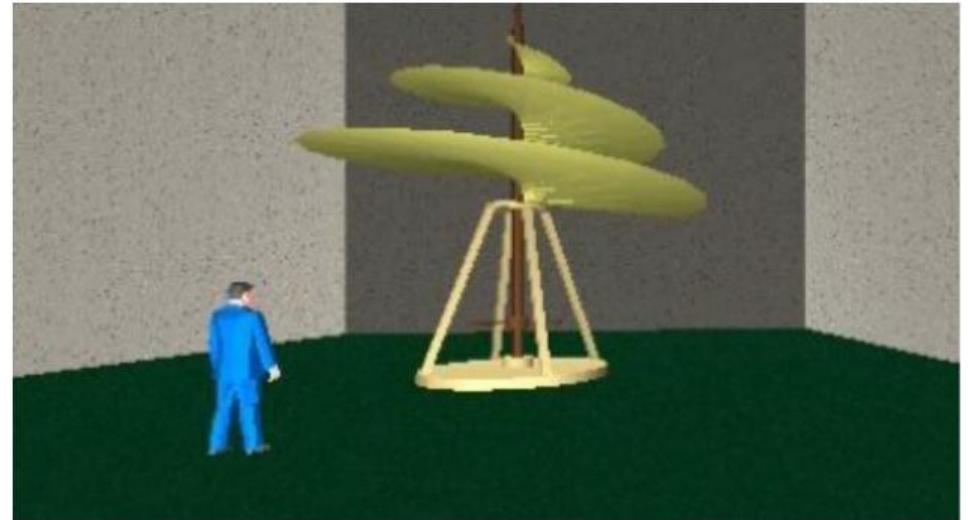
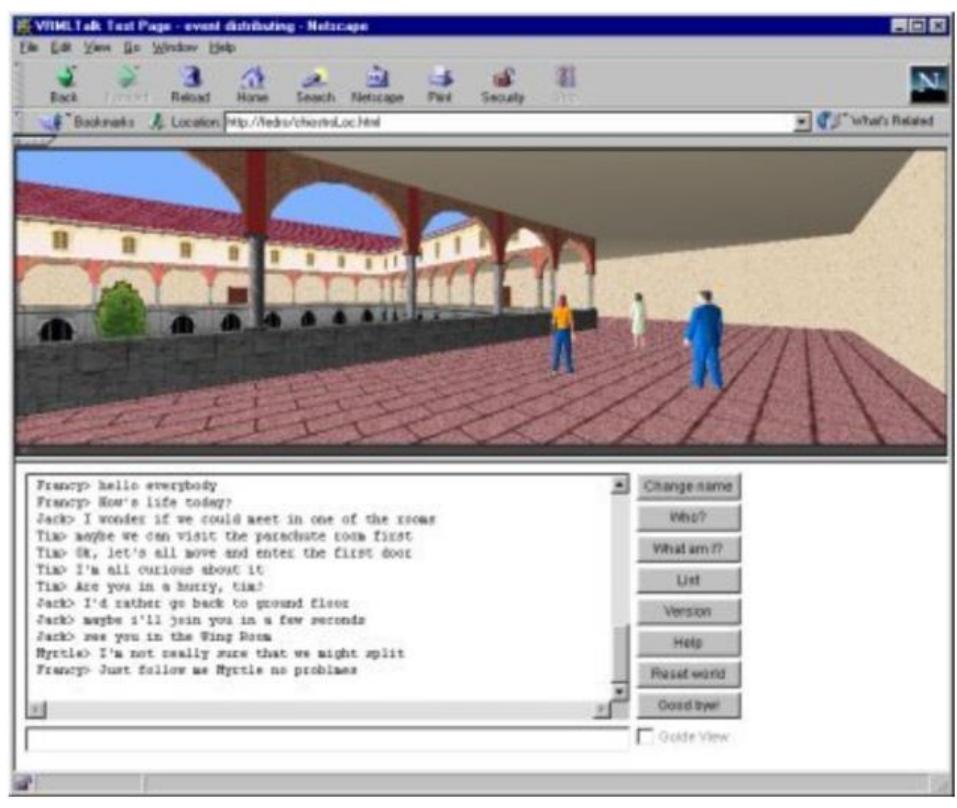
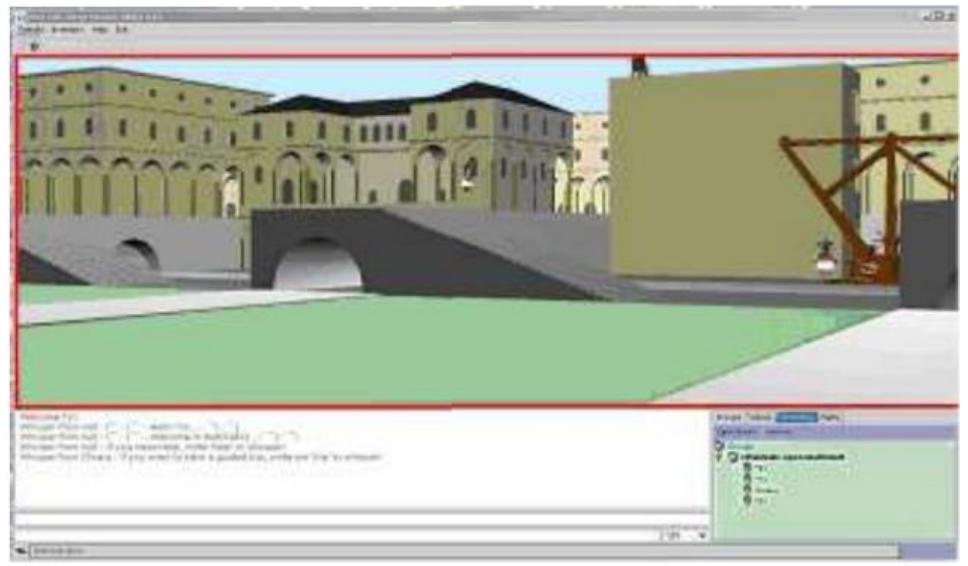
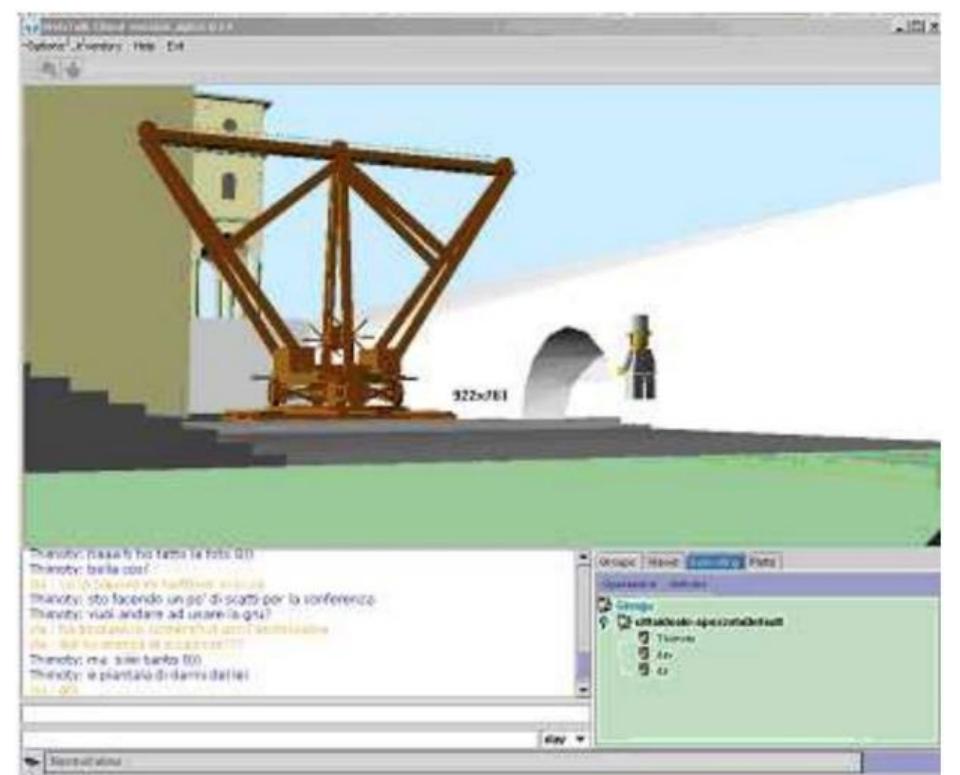
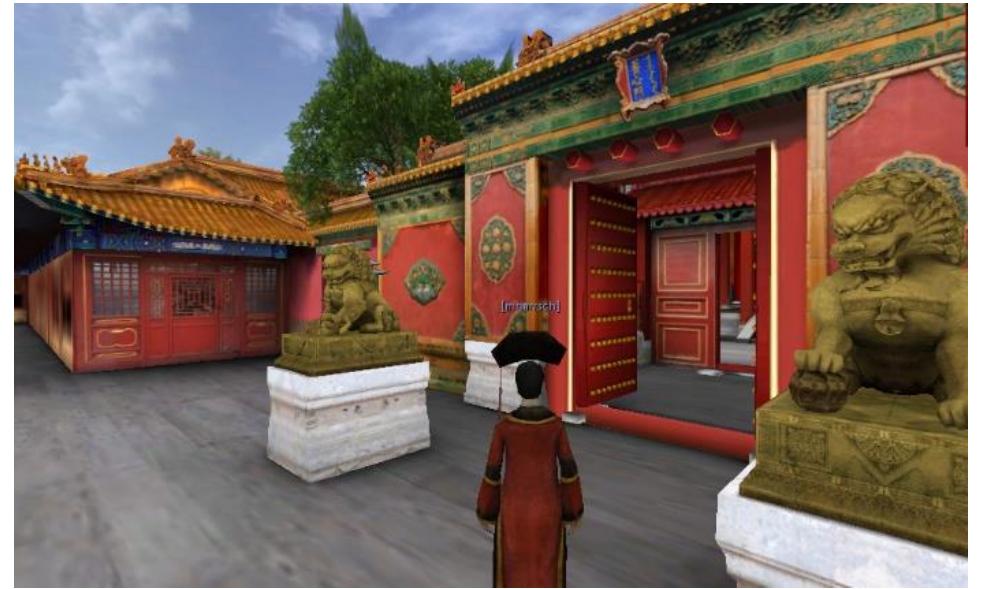
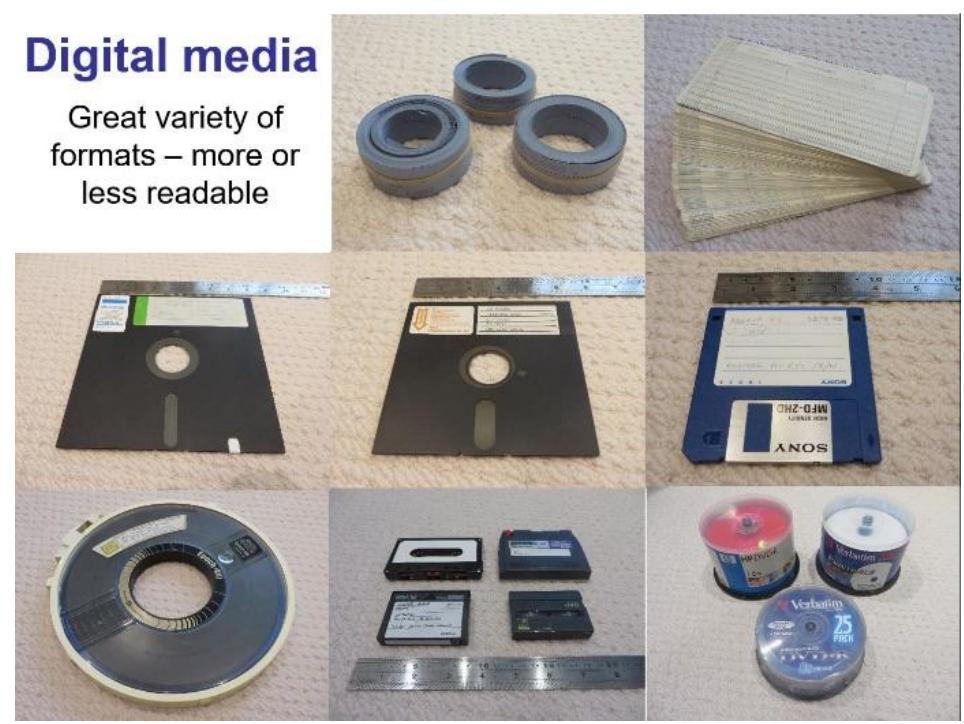
http://dx.doi.org/10.14236/ewic/EVA2022.30 Vignettes of Computer-based Museum Interactive and Games Software through the Years Stefania Boiano Ann Borda Jonathan P. Bowen InvisibleStudio Department of Information Studies London South Bank University London University College London School of Engineering UK London London, UK https://www.stefaniaboiano.net UK http://www.jpbowen.com [email protected] [email protected] [email protected] Giuliano Gaia Tula Giannini InvisibleStudio Pratt Institute Milan School of Information Italy New York, USA https://www.invisiblestudio.net/founders http://sites.google.com/view/tgiannini [email protected] [email protected] Museums have used computers to develop exhibition interactives and games over the years. This paper provides early case study examples and historical context. During the 1980s, computer-based displays in museum exhibitions were largely standalone. In the 1990s, the availability of the web allowed networked interactivity. In the 2000s, access via smartphones became increasingly widespread, enabling mobile access from personal devices. As well as the early examples, the paper provides an overview of more recent developments. Online gaming, including serious games with the purpose of not just entertainment, but educational and cultural, has increased in prevalence. Preservation and access to these digital resources have their own unique issues, and these are reflected in the paper, especially for early examples. Computer interactives. Digital culture. Digital preservation. Museum exhibits. Online gaming. Serious games. 1. INTRODUCTION Palfrey & Gasser 2016), started by computing and information pioneers such as Alan Turing and This paper records some case study examples of Claude Shannon in the mid-20th century (Giannini & museum-based computer interactives and games Bowen 2017). These digital resources now include that have been developed over the years. Museums material produced for exhibitions and outreach. and digital culture have become increasingly There is a question as to how these digital resources intertwined through the decades (Giannini & Bowen can be preserved, while continuing allowing them to 2019), with the Covid-19 pandemic accelerating the be accessed and appreciated. The techniques transformation even more since 2019 (Bowen et al. needed are very different from traditional 2021; Giannini & Bowen 2021; 2022). preservation and conservation approaches (Deegan & Tanner 2006; van der Wal & Arts 2015). Heritage conservation and preservation has traditionally been concerned with analogue physical In the following sections, we present some examples objects (Bowen 2017). However, it is increasingly of museum-based digital resources from the 1980s the case that cultural resources are digital in nature. onwards. These illustrate the changing technologies As well as digitised material, much is now “born- used and some of the issues in preserving and digital” in the digital revolution (Negroponte 1995; accessing them for the future. Section 2 presents © Boiano et al. Published by BCS Learning and Development Ltd. 158 Proceedings of EVA London 2022, UK Vignettes of Computer-based Museum Interactive and Games Software through the Years Stefania Boiano, Ann Borda, Jonathan P. Bowen, Giuliano Gaia & Tula Giannini some early examples of museum exhibition Some older digital material may only be available in interactives, including issues concerning their printed format (e.g., text, programs, and images on preservation due to changing technology and media. various types of paper and film). It may be desired Section 3 presents an example of an online to re-digitise such resources to animate them interaction 3D reconstruction in a heritage context. again. Sometimes printed versions of digital Section 4 discusses developments in online serious resources can allow easier access and longer-term gaming more generally, from a cultural and preservation compared to a digital artefact (Diprose educational perspective. We conclude with a poem et al. 2018), although technologies such as fading on cyber games and some thoughts concerning the thermal paper have their own issues (see Figure 2). use and preservation of museum interactives for the future. 2. THE 1980S Changing Technology Within a lifetime, I (Jonathan Bowen) have seen digital media move from paper tape and punched cards in the 1970s through to magnetic tape, floppy disks (in three formats, 8, 5¼, and 3½ inches, from the 1970s onwards), various forms of hard disk, different types of magnetic cassette tapes and cartridges, CDs, DVDs, and more recently SD cards and USB sticks, all with increasing capacity and at dramatically decreasing prices per bit stored (see Figure 1). Figure 2: Printed versions of digital media from the 1970s and 1980s. (Photographs by Jonathan Bowen.) Software works typically depend on a specific version of operating system or computer hardware configuration. Special custom-written software may form part of the material, particularly if it is dynamic and interactive. Software is typically very dependent on the environment in which it runs, and available facilities tend to change rapidly with digital developments in both software and hardware. This is applicable to early computer-based museum exhibits which could now themselves be of interest for preservation (Mayall 1980, p. 31; NMPFT 1983, p. 7). Figure 1: Various digital media from the 1970s to the 1990s. (Photographs by Jonathan Bowen.) Different operating systems such as Unix (later Linux), Windows, Apple macOS, Android (for mobile devices), etc., add to the complication of formats. Text may be stored as ASCII text, Word, PDF, HTML, etc., with the possibility of embedded images in many formats. Individual images may be available in a variety of formats such as GIF, JPEG, PNG, TIFF, etc. Audio may be in AIFF, OGG, MP3, WAV, WMA, etc. Video may be in AVI, FLV, MOV, MP4, WMV, etc. All these different formats have various advantages and disadvantages in terms of quality, size, etc. Software is needed to view and convert formats, which may be easy or difficult depending on Figure 3: Demonstration of a CMOS transistor on a PET the formats involved. personal computer for the Challenge of the Chip exhibition at the Science Museum, London, UK (Mayall 1980, p. 31). 159 Vignettes of Computer-based Museum Interactive and Games Software through the Years Stefania Boiano, Ann Borda, Jonathan P. Bowen, Giuliano Gaia & Tula Giannini Museum Interactives necessary hardware and software may be difficult to obtain or even no longer exist. What is more, the In 1980, I (Jonathan Bowen) produced an animated physical storage itself may deteriorate. Magnetism monochrome demonstration of a CMOS gradually disappears over a relatively short period. (Complementary Metal-Oxide-Semiconductor) CDs and DVDs may become unplayable. Paper transistor, written in the BASIC programming tape and punch cards last longer but can still have language on a Commodore PET personal issues over a significant period if not stored well. computer for the Challenge of the Chip exhibition at the Science Museum in London, UK (see Figure 3). Since the 1980s and the time of microcomputers This exhibition covered developments due to the (Clark & Davis 2021), online resources have increasing power and miniaturisation of integrated become increasingly important compared to circuits, especially for computing (Evans 1979; hardware storage technologies. Earlier FTP (File Augarten 1984). As well as museum exhibits, I also Transfer Protocol) servers have been replaced by produced an early index system for the Science much more user-friendly web servers (very briefly Museum on the PET computer (Bowen 1981). via Gopher servers), with the “cloud” now available through facilities like Google Drive and Dropbox for In 1984, I produced a colour demonstration showing widely accessible digital storage. Various web different focal lengths of lenses, using BBC BASIC facilities allow the convenient storage of media on a BBC Micro personal computer for the National online, such as Flickr for images, YouTube for video, Museum of Photography, Film and Television in and social media like Facebook allowing multimedia Bradford, UK (see Figure 4). The exhibit was located to be saved. The next section provides an example with a panoramic view of Bradford from the museum of a museum-based online interactive resource from and a computer-generated version of the view, and the 1990s. the associated camera lens, using a lens with a focal length selected by the visitor. 3. THE 1990S The decade of the 1990s saw the rise of the web and increased use of computers by museums (Gill 1996). This enabled museums to achieve global outreach with online information and exhibitions (Bowen 1995; 1999; Gaia et al., 2020). Online gaming became practical, and museums were able to start exploring the possibilities from their own perspectives. From Online Games to Virtual Museums Online 3D games, as outlined in the previous pages, started to gain traction during the 1990s, along with the diffusion and strengthening of the Internet infrastructure together with the spreading Figure 4: Demonstration of different focal lengths of of the World Wide Web. lenses on a BBC Micro personal computer at the National Museum of Photography, Film and Television, Bradford, UK (NMPFT 1983, p. 7). The image of virtual 3D worlds was being shaped by cyberpunk novels, such as Snow Crash by Neil The exhibit was based on wireframe versions of the Stephenson (1992), where we can find the first buildings in the view. In parallel, I worked on definition of the Metaverse as an online 3D Virtual multidimensional hypercubes in BASIC on a Reality environment shared by millions of users Research Machines microcomputer (Bowen 1982) simultaneously. and the C programming language on a Silicon Graphics workstation (Bowen 1984). I also At the same time, in 1999, the movie The Matrix, produced a BASIC geometrical plotting library of starring Keanu Reeves, gave visual identity to a subroutines (Bowen 1983) and 3D wireframe digital online world where people conducted software (Bowen 1984b; 1984c). fictional lives. Even if VR (Virtual Reality) technology was (and still is) far from getting that The change of storage media and formats, available degree of realism, the notion of online multi-user software, hardware, etc., over the years, has made it worlds was becoming more and more widespread. difficult to conserve digital material in a useful way that can still be accessed and viewed by humans When we (Giuliano Gaia and Stefania Boiano) (Bowen 2017). For older digital material, the were working at the National Museum of Science and Technology (Milan, Italy) in 1999, we were 160 Vignettes of Computer-based Museum Interactive and Games Software through the Years Stefania Boiano, Ann Borda, Jonathan P. Bowen, Giuliano Gaia & Tula Giannini dreaming about the possibility of recreating an online copy of the museum where visitors could From a technological point of view, Virtual meet and interact. When we discovered that Prof. Leonardo consisted of a combination of VRML Paolo Paolini of the Milan Polytechnic was working (Virtual Reality Modeling Language) technology, a on a technology capable of doing exactly that, the markup language proposed in 1994 to create a WebTalk technology, we quickly made contact and standard for 3D visualisation in the World Wide offered the museum as a testing environment for Web (Raggett 1994) for the 3D environments and the technology. Java for the infrastructure allowing users to chat between themselves and to interact with the guide and the animated objects. A problem was that the technology was still immature and not user-friendly. The user had to download and install a specific plug-in, Cosmo Player, to be able to visualise VRML and needed a good computer with a strong Internet connection to make the system work smoothly, something that was not common at the time. The result was that only 20% of the users were able to have a successful experience interacting with the system (Paolini et al. 2000); an interesting insight was that the average connection time among successful users was nearly one hour, confirming that the experience was “sticky”. The system was live for a couple of years, and a Figure 5: Screenshot from Virtual Leonardo. second version using Java 3D was developed in Users can see each other and chat using the chat 2000 by the Polytechnic University of Milan. window in the bottom part of the screen. Together with the launch of the new technology, we decided to create a new virtual environment, The result was Virtual Leonardo (Barbieri & Paolini related not to the existing museum but to the ideal 2001a), an online 3D reconstruction of the two city imagined by Leonardo da Vinci during his cloisters of the Science Museum (see Figure 5), Milanese years (Barbieri & Paolini 2001b). See with animated Leonardo da Vinci’s machines Figures 7 and 8 for two example screenshots. scattered around the virtual space (see Figure 6). Visitors could have their avatars walk and fly around the cloisters and rooms, chat with a guide or with other visitors, and set in motion the machines. The tour guide avatar had the special power to force all users to see what she was seeing in that moment, in order to make guided tours easier (Paolini et al. 2000). Figure 7: Screenshot of the ideal city project. Beneath the 3D navigation area, the chat window (bottom left) and the collaboration area (bottom right) allow users to communicate with each other and with the virtual guides. In this case, the system was more reliable and easier to install and launch, provided the user had Figure 6: One of the da Vinci machines, a good Internet connection and a computer operable by online visitors. powerful enough to execute some 3D graphics rendering. The virtual environment included not The system went online on 7 June 1999 and raised only da Vinci’s machines but also artificial avatars much interest, winning an Honorable Mention at the operating them, in order to make the place more Museums and the Web “Best of the Web” awards populated and to show first-time visitors what they in 2000 and being featured in the New York Times. could do in the environment. 161 Vignettes of Computer-based Museum Interactive and Games Software through the Years Stefania Boiano, Ann Borda, Jonathan P. Bowen, Giuliano Gaia & Tula Giannini Mortara et al. 2014). The Sumerian Game of 1964, for example, was largely a text-based strategy video game designed by elementary school teacher Mabel Addis (credited as the first woman game designer) and programmed by William McKay for the IBM 7090 time-shared mainframe computer using a teleprinter to input commands (Willaert 2019). The game, set around 3500 BC, has players act as three successive rulers of the city of Lagash in Sumer over three segments of increasingly complex economic simulations. A long-running precursor to serious games, The Oregon Trail also started as a text-only computer game programmed in BASIC and designed by three history teachers. Released by the Minnesota Educational Computing Consortium (MECC) in the Figure 8: A screenshot from the ideal city project. A user 1970s, the game casts the player as an American is approaching an interactive machine and operating it. All other users are aware of his movements and his settler in 1848, whose goal is to travel by wagon train actions over this particular object. from Missouri to Oregon facing various challenges en route based on historical facts (Djaouti et al. 2011). Even if the Science Museum lacked the resources The game was re-released several times with a and the will to develop the project beyond the graphical version of the game in an open-source prototype phase, both projects demonstrated that a format, followed by versions for Apple, Atari, cooperative virtual environment, where users can Commodore, and Radio Shack computers. In 2010, interact with each other and interact with exhibits, mobile phone versions of the game were released on has a strong educational value and is, therefore, Windows, Android, iOS, as well as Facebook. useful to pursue. Whether this has to be done by building your own virtual environment, as we did, or Although these early computer games were by using an already existing environment, as some influential in shaping subsequent developments of museums are doing with Minecraft (Charr 2021), is serious games, it was not until the 2000s that still open for debate; both solutions have pros and serious games became truly popularised, cons. However, in the end, we believe that culminating in internet, mobile-based, and VR museums will be an important contributor to (Virtual Reality) examples, in line with increasingly developments in the new metaverse. accessible and affordable technology platforms. Developments such as the Serious Games Initiative (Wilson Center n.d.), founded in 2002 at the Wilson 4. THE 2000S Center in Washington, D.C. (Djaouti et al. 2011) and the growth of academic studies on serious games In the 21st century, mobile devices have become within digital culture reinforce their educational role. increasingly important for the digital interactive provision made available by museums (Filippini- Serious games have been variously categorised in Fantoni & Bowen 2008) and for cultural heritage in relation to their increasing presence in digital general (Boiano et al. 2012). The rise of serious heritage. Anderson et al. (2010) proposed a gaming in the cultural sector has a significant history taxonomy of prototypes, demonstrators, virtual associated with mobile and desktop devices largely museums, and commercial historical games. developed for widespread use during the 2000s. Mortara et al. (2014) categorised serious games as Online Serious Games supporting cultural awareness, historical reconstruction, and heritage awareness. Paliokas & The term “serious games” can be credited to Clark Syliaou (2016) proposed a framework to describe C. Abt (1987), originally in 1970, who referred to the features of serious games in digital heritage, (video) games created for purposes other than including elements such as technologies, categories entertainment, especially for learning and education, of users, user experience, and game content. Rowe training, skill transfer, or persuasion. Serious games et al. (2017) focus on serious game design in have since become pervasive in military, education, science museums, highlighting the importance of healthcare, engineering, and cultural sectors, among free-choice learning environments. Wang & Nunes others. (Borda & Bowen 2019). (2019) considered educational goals and genres. Precursors to serious games in digital heritage The use of emerging VR has become a prominent reveal an integral relationship to early computing characteristic, often focusing on the preservation of and video game technologies (Djaouti et al. 2011; historical structures and artefacts reminiscent of 162 Vignettes of Computer-based Museum Interactive and Games Software through the Years Stefania Boiano, Ann Borda, Jonathan P. Bowen, Giuliano Gaia & Tula Giannini past cultures. Such preservation has been mainly heritage environments like the Google Art Project “through digital capture or detailed reconstructions, launched in 2011 (now Google Arts and Culture) both having digital accessibility as an outcome” where users can take virtual tours through selected (Ch’ng et al. 2018). museums via web-based browsers. For example, The Virtual Egyptian Temple Early mobile serious games like Art Tournament (launched in 2004–5) presented a realistic 3D model (Froschauer et al. 2012) ran on mobile device of an ancient temple to understand ancient Egyptian platforms, which were becoming more ubiquitous life and culture (Jacobsen & Holden 2007). Two post-2010, but offered less computing power for versions were implemented: a VRML lightweight immersive capability in older mobile devices. application and an Unreal Engine (Epic Games n.d.), supporting a higher level of visual detail and Rather mobile geo-locative games were readily multiplayer capability networked over the internet, being adopted for outdoor exhibitions and self- where each player drives a humanoid avatar. guided tours and games, such as M-Heritage Hunt (Tan et al. 2011), an app to explore the cultural Similarly, The Forbidden City: Beyond Space and history of George Town in Penang, Malaysia, and Time (IBM 2008) was an educational VR game Eye Shakespeare (Creative CH 2013), an Apple app where players can interact as avatars and explore developed by Hewlett Packard for the Shakespeare the Forbidden City in Beijing, China as it was Birthplace Trust. The American Museum of Natural during the Qing dynasty (1644–1912, see Figure History launched an innovative mobile gaming app 9). This initiative was a partnership between the MicroRangers in 2015, as a way for the public to Palace Museum and IBM, utilising a ‘Second Life’- experience the museum’s collections in situ, like world and built using a Torque game engine. ‘shrinking’ the user down to microscopic size to combat threats to biodiversity. The app utilised AR (Augmented Reality) technology, like that seen in popular gaming apps such as Pokémon Go. Currently, more highly immersive serious games are crossovers with VR experience interactives, and usually the result of a commercial partnership between a heritage organisation and VR design companies. A drawback is the need for VR headsets and/or gaming computers in some instances. The serious game Chauvet: The Dawn of Art (Tanant 2020) is a project of Google Arts & Culture, supporting mobile-based AR and VR interactive narratives and using photogrammetry and physical- Figure 9: Avatar in the Hall of Mental Cultivation in the based rendering. The Chauvet Cave is a UNESCO virtual Forbidden City. Image by Mary Harrsch, 2009. World Heritage Site located in the Ardèche gorges in Flickr CC BY-NC-SA 2.0. https://tinyurl.com/2p8vbpcu southern France, with cave paintings dating from European Union funding contributed further to the 36,000 years ago that are inaccessible to the public. development of several advanced virtual heritage demonstrators using serious games and digital Ace Academy: Black Flight is one of several storytelling. One example is ThIATRO (The serious games developed from the collections of Immersive Art Training Online) – a prototype of the the Canada Aviation and Space Museum (2017). Virtual 3D Social Experience Museum exploring the The mobile game is available on Apple Store and bidirectional interaction between museums and Google Play, and players can climb into a cockpit visitors on a Web3D basis (Froschauer et al. 2013). to fly with real First World War squadrons, over ThIATRO was built in the Unity Game Engine and actual historical locations and engage in aerial 3D models designed with Google SketchUp combat. The game won a gold medal in the 2017 (https://www.sketchup.com). ThIATRO aimed to International Serious Game Play Awards. immerse the player in the role of a museum curator in a virtual 3D exhibition to find artworks to create Personalisation of the learning narrative in a game their own exhibition. It was primarily intended to be is a consideration of the Getty Museum’s recent played online in a web browser. collaboration with Nintendo’s Animal Crossing, allowing users to import art masterpieces into their At the time of THIATRO’s development, data for digital homes using the International Image the game was drawn from newly available online Interoperability Framework (IIIF, https://iiif.io) in an resources such as the Web Gallery of Art online game activity called Art Generator (Getty (https://www.wga.hu/). In the context of art history, n.d.). The Generator is also linked to a uniquely there were already major projects exploring virtual generated QR code that holds information on the 163 Vignettes of Computer-based Museum Interactive and Games Software through the Years Stefania Boiano, Ann Borda, Jonathan P. Bowen, Giuliano Gaia & Tula Giannini artworks. The Covid-19 pandemic has focused 5. REFLECTION attention on digital heritage, engaging in one’s own personal spaces, at a time of social distancing and Cyber Games (by Tula Giannini) limited access to physical buildings. It is not surprising that many cultural heritage organisations Is life the game increased their digital footprint, publishing stories, in a digital frame games, and quizzes, among other resources Going to cyberspace (UNESCO 2020). However, as the UNESCO report Choose your avatar face points out, there remain access issues for lower No place for reality economic regions and countries, as well as a where love’s a fatality gender divide in access and use of the Internet. Come join the game To date, participatory forms of digital culture have Leave life behind not relied heavily on serious games as these largely Don’t look back tend to be single-player games, although multiplayer Stay on track role-playing game technologies are steadily gaining Revel in your new identity interest in heritage organisations (Charr 2021). Future serenity Different types of citizen science approaches have No place for reality the potential to support more inclusive participatory where love’s a fatality directions in which the participant has a greater role in solving problems or actively contributing to Haven’t played games content (Borda & Bowen 2019). For instance, the since Hopscotch and Double Dutch gaming experience can serve the analysis of Missing you so much complex data by leveraging the ability of the gamer Take me back to reality to perform pattern recognition tasks, such as Oh – a Covid fatality annotation and identification projects on the Zooniverse platform (https://www.zooniverse.org/). 6. CONCLUSION Thousands of participants joined Project Discovery This paper records some case studies of museum- (EVE Online n.d.), an initiative of the Human based computer interactives and games over the Protein Atlas (HPA) that aims to map protein decades. The changing technology over this time expression in the human body. Project Discovery means that these can rapidly become difficult to enticed gamers to help analyse a quarter-million animate, even if the software is available on some images of stained tissue samples by embedding media. the scientific data within EVE Online, a futuristic role-playing game with nearly a million subscribers It is possible to write emulation or simulation (Peplow 2016). This type of participation points to software that mimics a computer system, but even the capability of machine learning and artificial this can have issues (Bowen 2017). Often it can run intelligence (AI) alongside human intelligence – and faster than the original system and dynamic material by extension, the possibility of AI-enabled serious may depend on the speed of the emulator/simulator game applications, for instance (Gaia et al. 2019). as well as its functionality for satisfactory operation. Simulation can be achieved typically through the use Serious games have further potential to become of software. Emulation provides much more precise co-created by participants (Boiano et al. 2019). The behaviour and can be undertaken using Raices game, for example, involves artists, programmable hardware for example, such as Field computer scientists, anthropologists, and primary Programmable Gate Arrays (FPGAs). school teachers to co-produce a game to help school children better understand the historical and The redisplay of early digital artefacts can involve current issues of native Argentinian peoples (Diaz any of the issues described above, depending on et al. 2014). The Wilson Center has recently the complexity. While a traditional painting can be curated an overview of digital games that bring physically conserved and then hung for display, the black history and contemporary experience to life, same process for a digital work is potentially much most of the examples produced by those with a more complex, even after a period of only a few lived experience (Newbury et al. 2021). years from its origination. This will be an increasing added complexity for museums in the future wishing These examples perhaps highlight the intertwined to preserve their digital artefacts and resources in a relationship of serious games, not only to meaningful way. Meanwhile, the boundary between educational goals and technology appropriateness real life and digital will become more and more but increasingly to the ways in which participation blurred as time progresses (Borda & Bowen 2019; and learning need to be considered as both an Bowen & Giannini 2014; 2019; 2021). individualised and community-based experience. 164 Vignettes of Computer-based Museum Interactive and Games Software through the Years Stefania Boiano, Ann Borda, Jonathan P. Bowen, Giuliano Gaia & Tula Giannini Acknowledgements Bowen, J. P. (1984c) Wireframes – Adding Curves. Input, Jonathan Bowen is grateful to Museophile Limited 2(21):662–668. for financial support. Section 2 is partially based on Bowen, J. P. (1995) Exhibitions in the Ether. The Times Bowen (2017). Higher Education Supplement, Multimedia features, p. xii, 10 March. Bowen, J. P. (1999) Only Connect! Museum 7. BIBLIOGRAPHY International, 51(4):4–7, October–December. Abt, C. C. (1987) Serious Games. University Press of Bowen, J. P. (2017) Digital conservation and America. preservation: Whence and whither? In MATCONS 2017: Matter and Materials in/for Heritage Conservation Augarten, S. (1984) Bit by Bit: An Illustrated History of Conference, Craiova, Romania, 18 September, pp. 45– Computers. Ticknor & Fields. 54. Barbieri, T. and Paolini, P. (2001a) Cooperation Bowen, J. P. and Giannini, T. (2014) Digitalism: The new Metaphors for Virtual Museums. In Bearman, D. & Trant, realism? In Ng, K., et al. (eds.), EVA London 2014: J. (eds.), Museums and the Web 2001: Selected Papers Electronic Visualisation and the Arts. BCS, eWiC, pp. from an International Conference. Archives & Museum 324–331. DOI: 10.14236/ewic/EVA2014.76 Informatics. URL: https://eric.ed.gov/?id=ED482081 Bowen, J. P. and Giannini, T. (2019) The Digital Future Barbieri, T. and Paolini, P. (2001b) Reconstructing for Museums. In Giannini & Bowen (eds.) (2019), chapter Leonardo’s Ideal City – From handwritten codexes to 28, pp. 551–577. DOI: 10.1007/978-3-319-97457-6_28 WebTalk-II: a 3D collaborative virtual environment system. In VAST '01: Proceedings of the 2001 Bowen, J. P. and Giannini, T. (2021) Digitality: A reality Conference on Virtual Reality, Archeology, and Cultural check. In Weinel et al. (2021), pp. 12–19. DOI: Heritage, Athens, Greece, November 2001, pp. 61–66. 10.14236/ewic/EVA2021.3 DOI: 10.1145/584993.585003 Bowen, J. P., Giannini, T., Falconer, R., Magruder, M. T., Boiano, S. Bowen, J. P., and Gaia G. (2012) Usability, and Marconi, E. (2021) Beyond Human: Arts and identity Design and Content Issues of Mobile Apps for Cultural between reality and virtuality in a post-Covid-19 world. In Heritage Promotion: The Malta Culture Guide Weinel et al. (2021), pp. 7–11. DOI: Experience. In Dunn, S., et al. (eds.), EVA London 2012: 10.14236/ewic/EVA2020.2 Electronic Visualisation and the Arts. BCS, eWiC, pp. Canada Aviation and Space Museum (2017) Ace 66–73. DOI: 10.14236/ewic/EVA2012.12 Academy: Black Flight, the Museum’s mobile game, 6 Borda, A., Molnar, A., and Kostkova, P. (2019) Serious July. Ingenium Channel. URL: Games and Participatory Research in Public Health. In https://ingeniumcanada.org/channel/articles/enlist-in-the- DPH 2019: Proceedings of the 9th International ace-academy-black-flight-the-museums-mobile-game Conference on Digital Public Health, Marseille, France, Charr, M. (2021) How Museums Are Using Minecraft to November, p. 133. DOI: 10.1145/3357729.3357762 Gamify Learning Experiences. Museum Next, 17 July. Borda, A. and Bowen, J. P. (2019) Smart Cities and URL: https://www.museumnext.com/article/minecrafting- Digital Culture: Models of Innovation. In: Giannini & the-museum/ Bowen (2019), chapter 27, pp. 523–549. DOI: Ch’ng, E., Cai, Y., and Thwaites, H (2018) Special Issue https://doi.org/10.1007/978-3-319-97457-6_27 on VR for Culture and Heritage: Guest Editors’ Borda, A. and Bowen J. P. (2020) Turing's Sunflowers: Introduction. Presence: Teleoperators and Virtual Public research and the role of museums. In Weinel, J., Environments, 26(3):iii–vi. DOI: 10.1162/pres_e_00302 et al. (eds.), EVA London 2020: Electronic Visualisation Clark, S. and Davis, G. (2021) Revisiting and Re- and the Arts. BCS, eWiC, pp. 32–39. DOI: presenting 1980s Micro Computer Art. In Weinel et al. 10.14236/ewic/EVA2020.5 (2021), pp. 287–291. DOI: 10.14236/ewic/EVA2021.52 Boiano, S., Borda, A., and Gaia, G. (2019) Participatory Creative CH (2013) Eye Shakespeare app allows you to innovation and prototyping in the cultural section: A case visit the poet’s hometown from a new perspective. study. In Weinel, J., et al. (eds.), EVA London 2019: Creative Cooperation in Cultural Heritage. URL: Electronic Visualisation and the Arts. BCS, eWiC, pp. http://www.creative-heritage.eu/creative- 18–26. DOI: 10.14236/ewic/EVA2019.3 heritage.eu/48129725.html Bowen, J. P. (1981) Index System Manual. Imperial Deegan, M. and Tanner, S. (eds.) (2006) Digital College, London, UK. Version 1.4, August. DOI: Preservation. Facet Publishing. 10.13140/2.1.3210.1442 Diprose, G., George, M., and Darwall-Smith, R. (2018) Bowen, J. P. (1982) Hypercube. Practical Computing, An alternative method of very long-term conservation of 5(4):97–99, April. digital images and their historical context for the archive, Bowen, J. P. (1983) Geometrical Plotting Library. University College, Oxford. In Bowen, J. P., et al. (eds.), Practical Computing, 6(10):108–110, October. EVA London 2018: Electronic Visualisation and the Arts. BCS, eWiC, pp. 48–55. DOI: 10.14236/ewic/EVA2018.10 Bowen, J. P. (1984a) Workstation FORTRAN Supplement, and N-dimensional Cubes. Pipeline, Djaouti, D., Alvarez, J., Jessel, J. P., and Rampnoux, O. 1(2):11–16, Summer. Silicon Graphics, Mountain View, (2011) Origins of Serious Games. In: Ma, M., et al. (eds), California, USA. Serious Games and Edutainment Applications, pp. 25– 43. Springer. DOI: 10.1007/978-1-4471-2161-9_3 Bowen, J. P. (1984b) Wireframes in 3-D. Input, 2(18):560–565. Epic Games (n.d.) Unreal Tournament. URL: https://www.epicgames.com/unrealtournament Evans, C. (1979) The Mighty Micro. Victor Gollancz. 165 Vignettes of Computer-based Museum Interactive and Games Software through the Years Stefania Boiano, Ann Borda, Jonathan P. Bowen, Giuliano Gaia & Tula Giannini EVE Online (n.d.) Project Discovery. URL: Paliokas, I. and Sylaiou, S. (2016) The Use of Serious https://www.eveonline.com/discovery Games in Museum Visits and Exhibitions: A Systematic Filippini-Fantoni, S. and Bowen, J. P. (2008) Mobile Mapping Study. In 8th International Conference on Multimedia: Reflections from Ten Years of Practice. In Games and Virtual Worlds for Serious Applications Tallon, L. & Walker, K. (eds.), Digital Technologies and (VSGames), Barcelona, Spain, 7–9 September. IEEE. the Museum Experience: Handheld Guides and Other DOI: https://doi.org/10.1109/VS-GAMES.2016.7590371 Media, pp. 79–96. AltaMira Press. Negroponte, N. (1995) Being Digital. Alfred A. Knopf. Froschauer, J., Zweng, J, Merkl, D., Arends, M., NMPFT (1983) National Museum of Photography, Film Goldfarb, D., and Weingartner, M. (2012) and Television: Museum Guide. Jarrold & Sons. ARTournament: A Mobile Casual Game to Explore Art Palfrey, J. and Gasser, U. (2016) Born Digital: How History. In 12th International Conference on Advanced Children Grow Up in a Digital Age Paperback, 2nd edition. Learning Technologies, July, pp 80–84. IEEE. DOI: Basic Books. 10.1109/ICALT.2012.165 Paolini, P., Barbieri, T., Loiudice, P., Alonzo, F., Zanti, Froschauer, J, Merkl, D, Arends, M, and Goldfarb, D M., and Gaia, G. (2000) Visiting a Museum Together: (2013) Art history concepts at play with ThIATRO. How to share a visit to a virtual world. Journal of the Journal on Computing and Cultural Heritage, 6(2):1–15. American Society for Information Science, 51(1):33–38. DOI: 10.1145/2460376.2460378 DOI: 10.1002/(SICI)1097-4571(2000)51:1<33::AID- Gaia, G., Boiano, S., and Borda, A. (2019) Engaging ASI6>3.0.CO;2-I Museum Visitors with AI: The Case of Chatbots. In Peplow, M. (2016) Citizen science lures garners into Giannini & Bowen (2019), chapter 15, pp. 301–329. DOI: Sweden’s Human Protein Atlas. Nature Biotechnology, 10.1007/978-3-319-97457-6_15 34(5):452–453. DOI: 10.1038/nbt0516-452c Gaia, G., Boiano, S., Bowen, J. P., and Borda, A. (2020) Raggett, D. (1994) Extending WWW to support Platform Museum Websites of the First Wave: The rise of the Independent Virtual Reality. World Wide Web virtual museum. In Weinel, J., et al. (eds.), EVA London Consortium (W3C). URL: 2020: Electronic Visualisation and the Arts. BCS, eWiC, https://www.w3.org/People/Raggett/vrml/vrml.html pp. 24–31. DOI: 10.14236/ewic/EVA2020.4 Rowe, E., Asbell-Clarke, J., Baker, R., Eagle, M., Hicks, Getty (n.d.) Museum Animal Crossing Art Generator. A., Barnes, T., Brown, R., and Edwards, T. (2017) Getty Museum. URL: https://experiments.getty.edu/ac- Assessing implicit science learning in digital games. art-generator/ Computers in Human Behavior, 76:617–630. DOI: Giannini, T. and Bowen, J. P. (2017) Life in code and 10.1016/j.chb.2017.03.043 digits: When Shannon met Turing. In Bowen et al. (eds.), Stephenson, N. (1992) Snow Crash. Bantam Books. EVA London 2017: Electronic Visualisation and the Arts. URL: https://en.wikipedia.org/wiki/Snow_Crash BCS, eWiC, pp. 51–58. DOI: 10.14236/ewic/EVA2017.9 Tan, K. L., Lim, C. K., and Talib, A. Z. (2011) Mobile Virtual Giannini, T. and Bowen, J. P. (eds.) (2019) Museums Heritage Exploration with Heritage Hunt with a Case Study and Digital Culture: New Perspectives and Research. of George Town, Penang, Malaysia. International Journal of Springer, Series on Cultural Computing. DOI: E-entrepreneurship and Innovation, 2(4):74–86. DOI: 10.1007/978-3-319-97457-6 10.4018/978-1-4666-2946-2.ch009 Giannini, T. and Bowen, J. P. (2021) Museums at the Tanant, J. (2020) Chauvet: The Dawn of Art. Google Arts crossroads: Between digitality, reality, and Covid-19. In & Culture, Experiments with Google. URL: V. Cappellini (ed.), EVA 2021 Florence Proceedings, pp. https://experiments.withgoogle.com/chauvet 48–55. Leonardo Libri. DOI: 10.31235/osf.io/2g567 UNESCO (2020) Museums around the world in the face Giannini, T. and Bowen, J. P. (2022) Museums and of COVID-19. UNESCO. URL: Digital Culture: From reality to digitality in the age of https://unesdoc.unesco.org/ark:/48223/pf0000373530 COVID-19. Heritage, 5(1):192–214. DOI: 10.3390/heritage5010011 van der Wal, R. and Arts, K. (2015) Digital conservation: An introduction. Ambio, 44(4):517–521, November. DOI: Gill, T. (ed.) (1996) The MDA Guide to Computers in 10.1007/s13280-015-0701-5 Museums. Museum Documentation Association, Cambridge, UK. Wang, M. and Nunes, M. B. (2019) Matching serious games with museum’s educational roles: smart education IBM (2008) Forbidden City: Beyond Space and Time, 10 in practice. Interactive Technology and Smart Education, October. Moby Games. URL: https://tinyurl.com/2p8uh6jv 16(4):319–342. DOI: 10.1108/ITSE-03-2019-0013 Mayall, W. H. (1980) The Challenge of the Chip. Her Weinel, J., Bowen, J. P., Borda, A., and Diprose, G. (eds.) Majesty’s Stationery Office, Science Museum, London. (2021) EVA London 2021: Electronic Visualisation and the Mortara, M., Catalano, C. E., Bellotti, F., Fiucci, G., Arts. BCS, eWiC. DOI: 10.14236/ewic/EVA2021.0 Houry-Panchetti, M., and Petridis, P. (2014) Learning Willaert, K. (2019) The Sumerian Game: The most cultural heritage by serious games. Journal of Cultural important video game you've never heard of. A Critical Hit, Heritage, 15(3):318–325. DOI: 9 September. URL: http://www.acriticalhit.com/sumerian- 10.1016/j.culher.2013.04.004 game-most-important-video-game-youve-never-heard/ Newbury, E. M. H., Linenberger, A., and Wang, S. (2021) Wilson Center (n.d.) Serious Game Initiative. Wilson Games Round Up: Black History Month 2021. Ctrl Center, Washington, D.C., USA. URL: Forward, 24 February. Wilson Center, Washington, D.C., https://www.wilsoncenter.org/program/serious-games- USA. URL: https://www.wilsoncenter.org/blog- initiative post/games-round-black-history-month-2021 166
References (63)

  1. BIBLIOGRAPHY
  2. Abt, C. C. (1987) Serious Games. University Press of America.
  3. Augarten, S. (1984) Bit by Bit: An Illustrated History of Computers. Ticknor & Fields.
  4. Barbieri, T. and Paolini, P. (2001a) Cooperation Metaphors for Virtual Museums. In Bearman, D. & Trant, J. (eds.), Museums and the Web 2001: Selected Papers from an International Conference. Archives & Museum Informatics. URL: https://eric.ed.gov/?id=ED482081
  5. Barbieri, T. and Paolini, P. (2001b) Reconstructing Leonardo's Ideal City -From handwritten codexes to WebTalk-II: a 3D collaborative virtual environment system. In VAST '01: Proceedings of the 2001 Conference on Virtual Reality, Archeology, and Cultural Heritage, Athens, Greece, November 2001, pp. 61-66. DOI: 10.1145/584993.585003
  6. Boiano, S. Bowen, J. P., and Gaia G. (2012) Usability, Design and Content Issues of Mobile Apps for Cultural Heritage Promotion: The Malta Culture Guide Experience. In Dunn, S., et al. (eds.), EVA London 2012: Electronic Visualisation and the Arts. BCS, eWiC, pp. 66-73. DOI: 10.14236/ewic/EVA2012.12
  7. Borda, A., Molnar, A., and Kostkova, P. (2019) Serious Games and Participatory Research in Public Health. In DPH 2019: Proceedings of the 9 th International Conference on Digital Public Health, Marseille, France, November, p. 133. DOI: 10.1145/3357729.3357762
  8. Borda, A. and Bowen, J. P. (2019) Smart Cities and Digital Culture: Models of Innovation. In: Giannini & Bowen (2019), chapter 27, pp. 523-549. DOI: https://doi.org/10.1007/978-3-319-97457-6_27
  9. Borda, A. and Bowen J. P. (2020) Turing's Sunflowers: Public research and the role of museums. In Weinel, J., et al. (eds.), EVA London 2020: Electronic Visualisation and the Arts. BCS, eWiC, pp. 32-39. DOI: 10.14236/ewic/EVA2020.5
  10. Boiano, S., Borda, A., and Gaia, G. (2019) Participatory innovation and prototyping in the cultural section: A case study. In Weinel, J., et al. (eds.), EVA London 2019: Electronic Visualisation and the Arts. BCS, eWiC, pp. 18-26. DOI: 10.14236/ewic/EVA2019.3
  11. Bowen, J. P. (1981) Index System Manual. Imperial College, London, UK. Version 1.4, August. DOI: 10.13140/2.1.3210.1442
  12. Bowen, J. P. (1982) Hypercube. Practical Computing, 5(4):97-99, April.
  13. Bowen, J. P. (1983) Geometrical Plotting Library. Practical Computing, 6(10):108-110, October.
  14. Bowen, J. P. (1984a) Workstation FORTRAN Supplement, and N-dimensional Cubes. Pipeline, 1(2):11-16, Summer. Silicon Graphics, Mountain View, California, USA.
  15. Bowen, J. P. (1984b) Wireframes in 3-D. Input, 2(18):560-565.
  16. Bowen, J. P. (1984c) Wireframes -Adding Curves. Input, 2(21):662-668.
  17. Bowen, J. P. (1995) Exhibitions in the Ether. The Times Higher Education Supplement, Multimedia features, p. xii, 10 March.
  18. Bowen, J. P. (1999) Only Connect! Museum International, 51(4):4-7, October-December.
  19. Bowen, J. P. (2017) Digital conservation and preservation: Whence and whither? In MATCONS 2017: Matter and Materials in/for Heritage Conservation Conference, Craiova, Romania, 18 September, pp. 45- 54. Bowen, J. P. and Giannini, T. (2014) Digitalism: The new realism? In Ng, K., et al. (eds.), EVA London 2014: Electronic Visualisation and the Arts. BCS, eWiC, pp. 324-331. DOI: 10.14236/ewic/EVA2014.76
  20. Bowen, J. P. and Giannini, T. (2019) The Digital Future for Museums. In Giannini & Bowen (eds.) (2019), chapter 28, pp. 551-577. DOI: 10.1007/978-3-319-97457-6_28
  21. Bowen, J. P. and Giannini, T. (2021) Digitality: A reality check. In Weinel et al. (2021), pp. 12-19. DOI: 10.14236/ewic/EVA2021.3
  22. Bowen, J. P., Giannini, T., Falconer, R., Magruder, M. T., and Marconi, E. (2021) Beyond Human: Arts and identity between reality and virtuality in a post-Covid-19 world. In Weinel et al. (2021), pp. 7-11. DOI: 10.14236/ewic/EVA2020.2
  23. Canada Aviation and Space Museum (2017) Ace Academy: Black Flight, the Museum's mobile game, 6 July. Ingenium Channel. URL: https://ingeniumcanada.org/channel/articles/enlist-in-the- ace-academy-black-flight-the-museums-mobile-game Charr, M. (2021) How Museums Are Using Minecraft to Gamify Learning Experiences. Museum Next, 17 July. URL: https://www.museumnext.com/article/minecrafting- the-museum/
  24. Ch'ng, E., Cai, Y., and Thwaites, H (2018) Special Issue on VR for Culture and Heritage: Guest Editors' Introduction. Presence: Teleoperators and Virtual Environments, 26(3):iii-vi. DOI: 10.1162/pres_e_00302
  25. Clark, S. and Davis, G. (2021) Revisiting and Re- presenting 1980s Micro Computer Art. In Weinel et al. (2021), pp. 287-291. DOI: 10.14236/ewic/EVA2021.52
  26. Creative CH (2013) Eye Shakespeare app allows you to visit the poet's hometown from a new perspective. Creative Cooperation in Cultural Heritage. URL: http://www.creative-heritage.eu/creative- heritage.eu/48129725.html
  27. Diprose, G., George, M., and Darwall-Smith, R. (2018) An alternative method of very long-term conservation of digital images and their historical context for the archive, University College, Oxford. In Bowen, J. P., et al. (eds.), EVA London 2018: Electronic Visualisation and the Arts.
  28. BCS, eWiC, pp. 48-55. DOI: 10.14236/ewic/EVA2018.10
  29. Djaouti, D., Alvarez, J., Jessel, J. P., and Rampnoux, O. (2011) Origins of Serious Games. In: Ma, M., et al. (eds), Serious Games and Edutainment Applications, pp. 25- 43.
  30. Springer. DOI: 10.1007/978-1-4471-2161-9_3 Epic Games (n.d.) Unreal Tournament. URL: https://www.epicgames.com/unrealtournament
  31. Evans, C. (1979) The Mighty Micro. Victor Gollancz. EVE Online (n.d.) Project Discovery. URL: https://www.eveonline.com/discovery
  32. Filippini-Fantoni, S. and Bowen, J. P. (2008) Mobile Multimedia: Reflections from Ten Years of Practice. In Tallon, L. & Walker, K. (eds.), Digital Technologies and the Museum Experience: Handheld Guides and Other Media, pp. 79-96. AltaMira Press.
  33. Froschauer, J., Zweng, J, Merkl, D., Arends, M., Goldfarb, D., and Weingartner, M. (2012) ARTournament: A Mobile Casual Game to Explore Art History. In 12 th International Conference on Advanced Learning Technologies, July, pp 80-84. IEEE. DOI: 10.1109/ICALT.2012.165
  34. Froschauer, J, Merkl, D, Arends, M, and Goldfarb, D (2013) Art history concepts at play with ThIATRO. Journal on Computing and Cultural Heritage, 6(2):1-15. DOI: 10.1145/2460376.2460378
  35. Gaia, G., Boiano, S., and Borda, A. (2019) Engaging Museum Visitors with AI: The Case of Chatbots. In Giannini & Bowen (2019), chapter 15, pp. 301-329. DOI: 10.1007/978-3-319-97457-6_15
  36. Gaia, G., Boiano, S., Bowen, J. P., and Borda, A. (2020) Museum Websites of the First Wave: The rise of the virtual museum. In Weinel, J., et al. (eds.), EVA London 2020: Electronic Visualisation and the Arts. BCS, eWiC, pp. 24-31. DOI: 10.14236/ewic/EVA2020.4
  37. Getty (n.d.) Museum Animal Crossing Art Generator. Getty Museum. URL: https://experiments.getty.edu/ac- art-generator/
  38. Giannini, T. and Bowen, J. P. (2017) Life in code and digits: When Shannon met Turing. In Bowen et al. (eds.), EVA London 2017: Electronic Visualisation and the Arts.
  39. BCS, eWiC, pp. 51-58. DOI: 10.14236/ewic/EVA2017.9
  40. Giannini, T. and Bowen, J. P. (eds.) (2019) Museums and Digital Culture: New Perspectives and Research. Springer, Series on Cultural Computing. DOI: 10.1007/978-3-319-97457-6
  41. Giannini, T. and Bowen, J. P. (2021) Museums at the crossroads: Between digitality, reality, and Covid-19. In V. Cappellini (ed.), EVA 2021 Florence Proceedings, pp. 48-55. Leonardo Libri. DOI: 10.31235/osf.io/2g567
  42. Giannini, T. and Bowen, J. P. (2022) Museums and Digital Culture: From reality to digitality in the age of COVID-19. Heritage, 5(1):192-214. DOI: 10.3390/heritage5010011
  43. Gill, T. (ed.) (1996) The MDA Guide to Computers in Museums. Museum Documentation Association, Cambridge, UK.
  44. IBM (2008) Forbidden City: Beyond Space and Time, 10
  45. October. Moby Games. URL: https://tinyurl.com/2p8uh6jv
  46. Mayall, W. H. (1980) The Challenge of the Chip. Her Majesty's Stationery Office, Science Museum, London.
  47. Mortara, M., Catalano, C. E., Bellotti, F., Fiucci, G., Houry-Panchetti, M., and Petridis, P. (2014) Learning cultural heritage by serious games. Journal of Cultural Heritage, 15(3):318-325. DOI: 10.1016/j.culher.2013.04.004
  48. Newbury, E. M. H., Linenberger, A., and Wang, S. (2021) Games Round Up: Black History Month 2021. Ctrl Forward, 24 February. Wilson Center, Washington, D.C., USA. URL: https://www.wilsoncenter.org/blog- post/games-round-black-history-month-2021
  49. Paliokas, I. and Sylaiou, S. (2016) The Use of Serious Games in Museum Visits and Exhibitions: A Systematic Mapping Study. In 8 th International Conference on Games and Virtual Worlds for Serious Applications (VSGames), Barcelona, Spain, 7-9 September. IEEE. DOI: https://doi.org/10.1109/VS-GAMES.2016.7590371
  50. Negroponte, N. (1995) Being Digital. Alfred A. Knopf. NMPFT (1983) National Museum of Photography, Film and Television: Museum Guide. Jarrold & Sons.
  51. Palfrey, J. and Gasser, U. (2016) Born Digital: How Children Grow Up in a Digital Age Paperback, 2 nd edition. Basic Books.
  52. Paolini, P., Barbieri, T., Loiudice, P., Alonzo, F., Zanti, M., and Gaia, G. (2000) Visiting a Museum Together: How to share a visit to a virtual world. Journal of the American Society for Information Science, 51(1):33-38. DOI: 10.1002/(SICI)1097-4571(2000)51:1<33::AID- ASI6>3.0.CO;
  53. -I Peplow, M. (2016) Citizen science lures garners into Sweden's Human Protein Atlas. Nature Biotechnology, 34(5):452-453. DOI: 10.1038/nbt0516-452c
  54. Raggett, D. (1994) Extending WWW to support Platform Independent Virtual Reality. World Wide Web Consortium (W3C). URL: https://www.w3.org/People/Raggett/vrml/vrml.html
  55. Rowe, E., Asbell-Clarke, J., Baker, R., Eagle, M., Hicks, A., Barnes, T., Brown, R., and Edwards, T. (2017) Assessing implicit science learning in digital games. Computers in Human Behavior, 76:617-630. DOI: 10.1016/j.chb.2017.03.043
  56. Stephenson, N. (1992) Snow Crash. Bantam Books. URL: https://en.wikipedia.org/wiki/Snow_Crash
  57. Tan, K. L., Lim, C. K., and Talib, A. Z. (2011) Mobile Virtual Heritage Exploration with Heritage Hunt with a Case Study of George Town, Penang, Malaysia. International Journal of E-entrepreneurship and Innovation, 2(4):74-86. DOI: 10.4018/978-1-4666-2946-2.ch009
  58. Tanant, J. (2020) Chauvet: The Dawn of Art. Google Arts & Culture, Experiments with Google. URL: https://experiments.withgoogle.com/chauvet UNESCO (2020) Museums around the world in the face of COVID-19. UNESCO. URL: https://unesdoc.unesco.org/ark:/48223/pf0000373530
  59. van der Wal, R. and Arts, K. (2015) Digital conservation: An introduction. Ambio, 44(4):517-521, November. DOI: 10.1007/s13280-015-0701-5
  60. Wang, M. and Nunes, M. B. (2019) Matching serious games with museum's educational roles: smart education in practice. Interactive Technology and Smart Education, 16(4):319-342. DOI: 10.1108/ITSE-03-2019-0013
  61. Weinel, J., Bowen, J. P., Borda, A., and Diprose, G. (eds.)
  62. EVA London 2021: Electronic Visualisation and the Arts. BCS, eWiC. DOI: 10.14236/ewic/EVA2021.0
  63. Willaert, K. (2019) The Sumerian Game: The most important video game you've never heard of. A Critical Hit, 9 September. URL: http://www.acriticalhit.com/sumerian- game-most-important-video-game-youve-never-heard/ Wilson Center (n.d.) Serious Game Initiative. Wilson Center, Washington, D.C., USA. URL: https://www.wilsoncenter.org/program/serious-games- initiative
London South Bank University, Emeritus

Emeritus Professor at London South Bank University (London, UK), Adjunct Professor at Southwest University (Chongqing, China), and Chairman of Museophile Limited (Oxford, UK). Previously Professor of Computer Science at Birmingham City University (2013-2015), Visiting Professor at the University of Westminster, 2010-2012 and Visiting Professor at King's College London, 2007-2009.

Papers
493
Followers
3,435
View all papers from Jonathan Bowenarrow_forward