
Roadmap on artificial intelligence and big data techniques for superconductivity
Published 24 February 2023 •
© 2023 The Author(s). Published by IOP Publishing Ltd
,
,
Citation Mohammad Yazdani-Asrami et al 2023 Supercond. Sci. Technol. 36 043501DOI 10.1088/1361-6668/acbb34
Article metrics
9281 Total downloads
0 Video abstract views
Submit
Submit to this JournalDates
- Received 19 June 2022
- Accepted 9 February 2023
- Published 24 February 2023

Peer review information
Method: Single Anonymous
Revisions: 1
Screened for originality? No
Abstract
This paper presents a roadmap to the application of AI techniques and big data (BD) for different modelling, design, monitoring, manufacturing and operation purposes of different superconducting applications. To help superconductivity researchers, engineers, and manufacturers understand the viability of using AI and BD techniques as future solutions for challenges in superconductivity, a series of short articles are presented to outline some of the potential applications and solutions. These potential futuristic routes and their materials/technologies are considered for a 10–20 yr time-frame.

Original content from this work may be used under the terms of the Creative Commons Attribution 4.0 license. Any further distribution of this work must maintain attribution to the author(s) and the title of the work, journal citation and DOI.
Corrections were made to this article on 4 August 2023. Affiliation numbering in some sections were corrected.
1. Introduction
Although the superconductivity phenomenon has been discovered more than a century ago, and despite the significant advantages—such as lower losses, higher efficiency, compact size, lighter weight, higher magnetic field, and power density—that superconducting technology offers over the conventional counterparts, many superconducting components and applications are at low technology readiness level and not even near being commercialised. Apart from magnetic resonance imaging (MRI) and nuclear magnetic resonance which are already fully commercialised in the manufacturing stage—because the level of magnetic field that they need is not simply achievable with any conventional technology—no other superconducting device is commercialised at a high manufacturing production rate, and most of these devices are in proof-of-concept or in fabricating demonstrator stage. The reasons are including high total ownership cost, high levelised cost of energy, not knowing all technological limits in manufacturing levels, especially for real scale devices, reliability concerns especially when working at cryogenic temperature together with a cooling system, hesitancy of some industries regarding accepting a new technology against a well-demonstrated conventional one, among others [1–6].
There are many challenges related to superconducting components, devices, and applications which need to be addressed to pave the way for their commercialisation, especially with the new emerging opportunities in applications such as wind power, fusion industry, electric transportation, and hydrogen-powered aircraft. These challenges can be generally categorised into different stages such as in superconductor/superconducting device production, design, manufacturing, condition monitoring, operation, and maintenance stages. The experience of the last 25 yr in the superconducting community and also what we can learn from how other technologies evolved in a much shorter time frame, prove that for addressing many of these challenges we would need to take advantage of other intelligent techniques, and disruptive technologies and introduce them into the superconductivity. One of the popular techniques which is used as a very successful tool to resolve the challenges of many other industries/technologies is artificial intelligence (AI) [7–11].
AI can resemble human intelligence and can be used for learning a process, finding a pattern, and making a decision [12]. AI techniques were successfully implemented in many industries including automotive, aerospace, and medical, among many others, some of which have higher or equal importance, reliability requirements and risk concerns compared with superconducting applications. AI techniques can be used for modelling and simulation, design improvement or optimisation, hot spot detection, fault detection and discrimination, cost reduction, loss and efficiency improvement, condition monitoring and operation, improving manufacturing yield, quality control and assurance, sensor and testing improvement, etc [12]. AI techniques can promise and offer—compared with other recently implemented methods (e.g. mathematical and look-up table approaches)—faster response, less false outcome, a higher chance of reaching the optimal solution, considering interdependencies of the inputs, finding hidden patterns, and above all, real-time implementation/application [13]. Real-time applications usually end up producing big data (BD) which again needs intelligent approaches to be handled [11–13].
In this paper, a roadmap to the application of AI and BD for different modelling, design, monitoring, and manufacturing and operation purposes of different superconducting applications, is presented. To help superconductivity researchers, engineers, and manufacturers understand the viability of using AI and BD techniques as future solutions for challenges we presently face in superconductivity, a series of short articles are presented to outline some of the potential applications and solutions. These potential futuristic routes and their materials/technologies are considered/suggested for a 10–20 yr time-frame.
2. Intelligent condition monitoring and design optimisation of superconducting propulsion machines using AI-based techniques for future cryo-electric aircraft
Mohammad Yazdani-Asrami and Wenjuan Song
Propulsion, Electrification & Superconductivity Group, James Watt School of Engineering, University of Glasgow, Glasgow G12 8QQ, United Kingdom
Status
Cryo-electrification—which is the type of electrification enabled by the combination of cryogenics and superconducting technologies—seems to be the disruptive technology and a way forward for future aerospace electrifications. To realise emission-free aircraft, the electrical devices (in propulsion and power system) must become competitive with existing conventional systems, and to do so, improvements in many aspects are needed such as weight, size, efficiency, power density, voltage level, insulation, maintenance, reliability, safety, and cost [1, 14, 15].
Superconducting rotating machines provide one of the promising options for the propulsion systems in future cryo-electric aircraft, especially with the recent development towards the integration of hydrogen technology into modern aviation. They exhibit great advantages in reducing size and weight, and increasing efficiency and power density compared with conventional machines [1, 14, 15].
To realise superconducting machines for the propulsion system of cryo-electric aircraft, high specific power density (SPD) i.e. power divided by the weight, with high efficiency in a compact size is preferred, which can be achieved by optimising the machine construction and manufacturing processes. In addition, safety is a priority in aircraft electrification, therefore it would be crucial to monitor and detect any incipient, short circuit, demagnetising, hot spot, mechanical damage, drive system faults, and other types of faults in the superconducting machine at early stages before they reach to a catastrophic level.
AI techniques can provide solutions to effectively develop highly intelligent optimisation procedures for designing the superconducting machines in cryo-electrified aircraft, and accurate real-time condition monitoring towards achieving the highest safety standard using AI regression and estimation tasks [16]. AI not only help design and operate a more intelligent superconducting propulsion machine but also assist its prototyping and manufacturing to reduce material waste, levelised cost of production, and manufacturing tolerances.
Current and future challenges
Some challenges caused superconducting machines to not be commercialised yet, including requirements and complex design of the cooling system, high cost of superconducting tapes/wires/bulks, complex machines’ structures, high manufacturing cost, thermal sealing of different moving and static parts at room and cryogenic temperatures, system-level modelling and integration, quench protection, liquid hydrogen tank design optimisation, and low end-user interests [1].
In the following, some current and future challenges for superconducting machines used in the aviation sector—that can be addressed by AI techniques—are discussed:
SPD and efficiency.
One of the major challenges to developing electric aircraft in a larger fleet is the low SPD of existing conventional electric machines (e-machines), limited to 5–10 kW kg−1 at low speed and low size. However, for future cryo-electric aircraft with hydrogen as fuel/coolant and possibly with the fuel cell as another source of electricity, the SPD of e-machines should be well above 16–20 kW kg−1 [14, 17]. This means that e-machines should be built either with higher speed, higher electromagnetic (EM) loading, or lower weight and size of the iron core, supports, and other assembly parts. This implies that the construction of a superconducting e-machine and its EM circuit (armature, field, and core) need to be optimally designed to maximise the power density.
The high efficiency of the superconducting machine is another challenge. Losses including AC loss from the windings should be minimised, whilst maintaining low operation and fabrication costs. Superconducting machines in future cryo-electric aircraft will be fabricated in the full or fraction of MW-scale, therefore, even a percent loss means bulky cooling power and consequently higher weight for the cooling system. Therefore, electro–thermo-mechanical optimisation is required to guarantee minimum possible loss and heat load. Online and real-time estimation of the losses in e-machines should be considered to make sure the efficiency limit is met [18].
Condition monitoring and reliable operation.
Safe and reliable operation holds the top priority for electric aircraft. Cryogenic temperature makes the operation of aircraft more complicated and hence, complexity arises reliability concerns, especially when the technology is not even well commercialised for terrestrial applications and its technology readiness level is relatively low compared with well-established conventional technologies. Superconducting machines may face a variety of faults including electrical, mechanical, cryogenic, and thermal faults such as incipient inter-turn faults, short-circuit of windings, demagnetising in magnets or bulks, winding hot spots, bearing faults, static, dynamic, and mixed eccentricity faults, winding deformation, insulation fatigues and faults, drive system faults, cooling system failures, among others. However, at the moment there is no evidence of any monitoring system neither conventional nor intelligent specifically designed for a superconducting propulsion system.
Advances in science and technology to meet challenges
For design optimisation of machine construction, meta-heuristic and swarm-based algorithms will be used aiming for higher SPD, lower AC loss, higher efficiency, and lower cost (as shown in figure 1). The challenge is deriving accurate sizing equations and considering real-world trade-offs together with an appropriate multi-objective fitness function. The objective function could be AC loss, size, heat load, cost reduction, or a combination of them. Also, the optimal design of the cryostat will reduce the SPD of the whole system. In addition, techniques based on reinforcement learning can be adopted to develop automated design and modelling of superconducting machines. Reinforcement learning techniques can construct a policy with artificial neural networks (ANNs) that determines the optimal actions for a state of modelling.
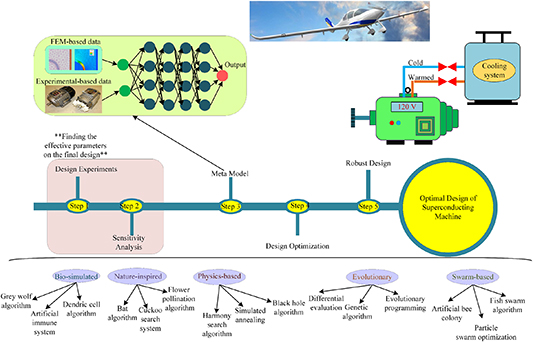
Figure 1. AI techniques can be used to optimally design superconducting machines.
Download figure:
Standard image High-resolution imageMany AI methods combined with signal processing techniques can be used for condition monitoring and fault detection purposes (see figure 2), as a classification, clustering, and discrimination task. Some of these expert systems, signal processing, and AI techniques are as follows: wavelet transform, Hilbert–Huang transform, S-transform, support vector machine (SVM), adaptive neuro-fuzzy interference system, ANN, fuzzy system, long short-term memory (LSTM), deep learning (DL) methods using many layers of ANN such as convolutional and grid neural networks (NNs), etc. It is worth noting that each of the AI-based techniques would be a proper candidate to find a specific type of fault, and for doing that extracting the correct feature from input data (current, voltage, vibration, back EMF, etc) is highly crucial 27 . Time, frequency, or time-frequency domain data can be used to establish such intelligent condition monitoring techniques/systems. In addition, stacked autoencoder-based approaches can be designed and implemented for real-time condition monitoring, for fault detection, and anomaly detection (for quenches of windings and bulks) of superconducting machines.
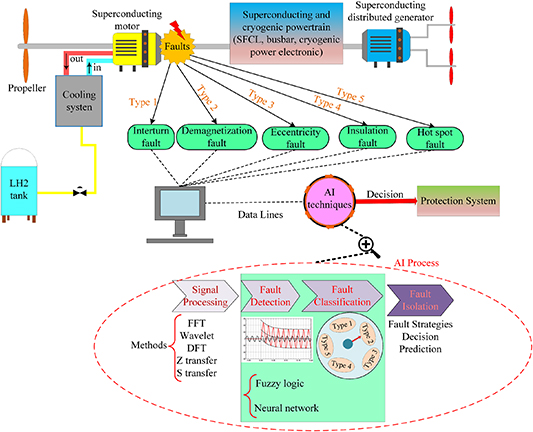
Figure 2. AI techniques can be effectively used for fault detection purposes in superconducting machines.
Download figure:
Standard image High-resolution imageThe stacked autoencoder-based techniques can automatically set multiple baselines as the boundary between normal and abnormal/faulty conditions.
For optimal design of cooling systems, multi-objective swarm intelligence-based optimisers would be great techniques to find optimal parameters of a cryogenic cooling system such as flow rate, pressure, number and type of cold head, size of the heat exchanger, amount/thickness of thermal insulation, etc. Fitness function can be considered in such a way as to minimise the weight, size, and/or cost of the cooling system and/or to maximise its efficiency, reliability, and safety.
Parameter estimation of superconducting machines for drive system adjustment can be done using meta-heuristic or evolutionary algorithms. The optimal control of the propulsion unit depends on properly driving motors under different operating conditions. Most controlling techniques rely on machine parameters, and thus, precise estimation of them at the beginning of the installation is important. Estimation of the superconducting machine parameters is more challenging than the conventional counterparts, due to its superconductor nature, and its near-zero resistivity. On the other hand, machine parameters will change over time by the ageing process or other reasons (e.g. internal faults). Thus, an AI-based technique can be designed and stored in an online cloud to estimate machine parameters from time to time, over the length of its life span. The new estimated parameters can be set in the controlling algorithm of the drive system. In addition, any drastic or unusual change in machine parameters should be a sign of either dramatic fatigue or incipient fault. Also, dynamic learning algorithms are other options to meet the challenge of controlling parameters in propulsion units. In these algorithms, the system updates itself over periods of times with respect to the changes in inputs and outputs. Thanks to such methods, the changes in control parameters of e-machines are no more an issue and can be handled appropriately [19].
ANN can be used for online remaining-life estimation and failure detection of solid-state switches in cryogenic power electronic converters supplying superconducting machines. As all these switches are designed and fabricated to operate at room temperature, their operation at cryogenic temperatures will certainly affect the performance, possibly impact their life span and impose extra heat load on the central cooling system. Time domain signals of the switches can be used to feed the ANN and produce healthy and faulty conditions to estimate the remaining life of the switches [11].
AI techniques can be used for data-driven based system-level modelling of the superconducting machine together with other powertrain components in a cryo-electrified aircraft. At the moment, numerical models are established for modelling each component separately but it is computationally costly, and not real-time for most complex applications. Surrogate- or meta-modelling by using ANN can be done to individually build a fast and accurate intelligent model for each component and then connect them for a system-level modelling/study [20]. This model can be updated to increase the accuracy of the dynamic learning algorithms that are used. In addition, reinforcement learning techniques can be used to make the modelling process automatic.
Another issue that AI can significantly get involved in is quench detection [21] of superconducting bulks and windings in e-machine, especially high-temperature superconducting (HTS) ones. DL approaches can be used to detect quenches online and perhaps up to a couple of seconds in advance. DL methods provide dynamic and online training and learning from input data which can come from many different sensors. DL-based approaches for quench detection are essentially looking for an anomaly or abnormality in the normal profile of the sensor outputs.
Digital twins (DTs), as the intersection of AI methods, cyber-physical systems (CPSs), cloud computing, and the Internet of Things (IoTs), can be implemented in future as a solution for the design, manufacturing, monitoring, and maintenance issues of superconducting machines in future cryo-electric aircraft [20]. CPS presents a higher level of integration and coordination between physical systems and computational models through coupling sensor outputs and simulation routines. AI can link with sensor data in a real-time manner. CPS-based digital capabilities with existing architectures, systems and processes, the coordination of several systems and applications require the integration of recently emerging technologies, which are giving rise to the current and future industrialisation challenges for the low carbon cryo-aviation. In cryo-electric aircraft, these technologies, i.e. AI with DT in CPS, improve the design, control, and protection of the superconducting drivetrain and propulsion systems, so that the reliability, efficiency, and stability of aircraft will be maximised. In addition, if a DT is developed for the superconducting machine of an aircraft, it will provide a platform for research and training for professionals and engineers in the aviation industry.
Concluding remarks
Cryo-electric aircraft which take advantage of both cryogenic and superconducting technologies seem to be one of the most promising solutions to realise zero-emission hydrogen-based aviation. Superconducting propulsion technology has the potential to provide high SPD beyond 20 kW kg−1 on the MW scale, with efficiency above 99%. However, challenges related to superconductor performance, machine cost, cooling system requirements and weight, quench and fault monitoring, and finding innovative EM designs to lower the weight and size of the machine are major challenges against their potential to be integrated into hydrogen- and electric-based aircraft. AI techniques can address some of the aforementioned challenges to make superconducting propulsion units a competitive option against other technologies for future electric aircraft. AI-based techniques can help optimally design a superconducting machine to increase its power density and efficiency simultaneously. In addition, condition monitoring and fault prognostic techniques can be established based on AI approaches for both the machine and its cryogenic-temperature drive system.
Acknowledgments
Networking support provided by the European Cooperation in Science and Technology, COST Action CA19108 (Hi-SCALE) is acknowledged.
The authors would like to thank Mr Alireza Sadeghi for his helpful assistance in preparing the article section.
3. AI-assisted real-time modelling of HTS devices and systems
Antonio Morandi1 and Giovanni De Carne2
1 Department of Electrical, Electronic, and Information Engineering, University of Bologna, 40136 Bologna, Italy
2 Karlsruhe Institute of Technology, Karlsruhe, Germany
Status
Real-time simulation/modelling is a powerful tool to assess the performance of innovative power equipment such as large-scale superconducting power devices under realistic operating conditions [22], thus accelerating the commercialisation and market introduction of the tested technologies. Through digital simulators, complex electrical grids can be simulated in real-time, and the performance of the tested technology can be validated through power hardware in the loop (PHIL) testing [23]. More in particular, in PHIL testing the behaviour of the simulated grid is emulated using power amplifiers that can produce the full voltage, current, and power required by the physical device under test (DUT), as it is schematically shown in figure 3. PHIL systems allow reproducing a wide variety of operating conditions in the laboratory, including contingencies and faults, allowing to assess the performance (and limitations) of the DUT without the need for long and extremely costly in-field installations that often impact both the layout and the management of the hosting grid. The real-time modelling of the superconducting devices can also be developed and validated against the results of the PHIL testing campaign. This allows forming an integrated real-time modelling environment, comprising both the hosting system and the tested technology, that can be used for exploring, under a holistic perspective, any operating condition that the final-user may want to investigate, and to gain information on possible operating conditions of the device that can drive design upgrade or optimisation. At a more advanced stage of development of the technology, the real-time model can also be used as a digital-twin of the physical device that can be run in parallel during physical operation to compare measured and calculated data and extract information from possible mismatches due for example to internal faults, ageing of components or need of maintenance. AI techniques can greatly assist real-time modelling and PHIL system testing.
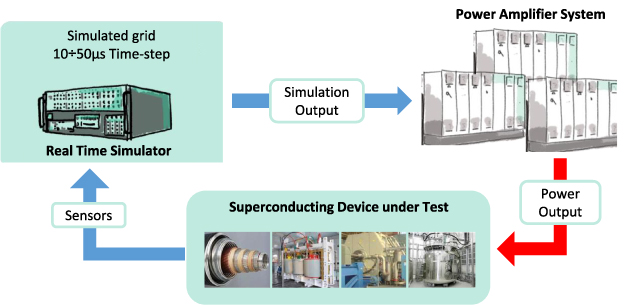
Figure 3. PHIL testing of physical power superconducting equipment.
Download figure:
Standard image High-resolution imageCurrent and future challenges
Digital real-time simulators are high-performance computers that allow to compute the new status of a simulated system (e.g. an electrical grid) within a predetermined time step (e.g. 50 µs). Typical of these systems are the strict real-time constraints, requiring that the new system solution must be delivered within the simulated physical time-step. It follows, that the size of the simulated system shall be suited to the available computational power, and mathematical modelling requiring intense simulation time shall be avoided.
Multiphysics finite element (FE) modelling is an established approach for predicting the behaviour of practical superconducting devices. An alternative to FE models is using empirical equivalent circuits, with intrinsically reduced calculation time, but lower predicting capability and accuracy. In FE models the solution of the interior field problem (distribution of current density and electric and magnetic fields inside the superconductor) is first obtained and a variety of other information, such as AC loss, temperature, voltage, or quench behaviour, which is of interest for practical applications, are deduced accordingly [24, 25]. However, a very complex behaviour is obtained when dealing with HTS materials due to high non-linearity and hysteresis, strong anisotropy, temperature dependence, high aspect ratio, 3D configurations and complex composite structure of practical wires and tapes. As a result, FE models suffer from large execution time and computation burden, which makes them incompatible with digital real-time simulator applications that, as mentioned above, are limited by sharp real-time constraints. The current challenge is to reduce the complexity of FE models, to make them suitable for real-time applications. One approach to reach this goal is to carry out a specialised research effort aimed at introducing specialised methodologies for reducing the storage and inversion requirement of the FE problem. Along this line, coupling finite-element method (FEM) with PEEC methods or homogenisation and multi-scale methods have been recently introduced [26, 27]. Homogenisation consists of modelling a subdomain made of different composite HTS tapes as a homogeneous, though anisotropic, material. In multi-scale methods, the modelled system is split into a set of localised detailed models that are individually solved while interpolation is used to guess the solution on the other subdomains that act as magneto-static source terms only. As a result, the size and the CPU time of the problem are greatly reduced and real-time modelling can be obtained, for example in the case of slow ramping of large HTS magnets in which the 1D approximation is assumed for the HTS tapes [28]. An alternative to FE models is using empirical equivalent circuits, with intrinsically reduced calculation time It must be pointed out, however, that these advantages come at the cost of a lower accuracy of the results. To achieve real-time computation capability in the wide variety of 3D problems occurring in practical HTS applications, while maintaining accuracy, substantial innovation still need to be introduced in the calculation approach and AI can play a role in this [12, 17, 29], especially when system level analysis must be carried out, as it is discussed next.
Advances in science and technology to meet challenges
To address the challenge, this section explores the potential of AI-based models, that, trained on off-line FE simulations, represent a low computation-time alternative to on-line FE models for real-time simulations. In the example of figure 4, an HTS-based superconducting magnetic energy storage (SMES) system supports the grid frequency control during large disturbances. A complete FE model of the device is first developed and implemented on a dedicated computation resource for calculating the status of the SMES. More in particular the FE model can calculate the AC loss and predict the final temperature of the HTS coil based on prescribed operational inputs in terms of exchanged (absorbed/delivered) power and duration of power exchange and taking the initial state of charge (i.e. operating current) and temperature into account. The solution to the FE problem is essential to assess the compatibility of the power input with the safe operation of the HTS coil and to calculate the maximum power exchangeable (subject to limitation, due to AC loss) and the residual energy in the newly reached state. However, such a calculation involves a large number of state variables, it is time-consuming, and it cannot be executed in real-time. To achieve real-time computation, an AI layer is added to the FE layer where the solution of the problem for a specified operating condition is obtained by regression on a set of pre-calculated FE solutions [17, 29]. Overall, the power grid controller generates the power versus time curve to be supplied (or absorbed) by the HTS SMES asset and the AI layer, implemented on the digital real-time simulators, evaluates the evolution of the SMES status following the service input received and checks the compatibility with safe SMES operation. It should be pointed out that a bidirectional interaction is needed between the power system controller and the AI layer to cope with the case where the requested power profile cannot be satisfied by the SMES due to incompatibility with its current state. It is also stressed that more data can be collected and stored during the lifelong operation of the system and can be used for correcting the model to include new factors or events, like ageing or possible permanent effects of a fault. AI offers a large variety of algorithms which have shown suitable performances for the purposes both in terms of dynamics and accuracy, such as Decision Trees, K-Nearest Neighbour, Support-Vector Machines, ANNs, and XGBoost, among others. It is also important to point out that the combined AI-FEM approach described here for SMES can also be applied to a wide range of power HTS apparatus including, transformers, power cables, fault current limiters, and rotating machines.
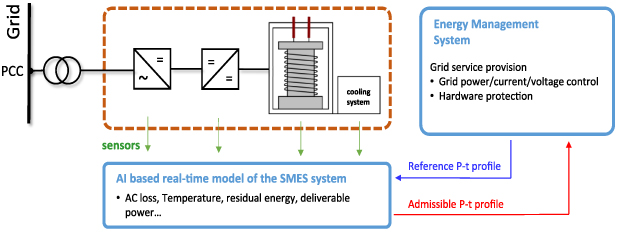
Figure 4. Power grid incorporating an HTS SMES for frequency control. Real-time modelling of HTS SMES obtained by combined use of FEM modelling and AI.
Download figure:
Standard image High-resolution imageConcluding remarks
Real-time simulation and PHIL testing are powerful tools for validating the performance of HTS-based technologies, such as superconducting power equipment. However, they are subjected to strict real-time constraints that limit the suitability of extremely complex models, such as the 3D FE models typically needed for superconducting applications. Data-driven AI-based modelling solutions can solve this issue. Through off-line complex FEM simulations, the model can be trained to solve a specific power system issue of interest, avoiding the model’s over-complexity and reducing the needed computational time without compromising simulation accuracy. To increase the model flexibility, making it able to meet new grid conditions, a supervisor AI layer can be implemented in the real-time simulator that updates the model parameters depending on the operating point. Concluding, the AI-based solution enables simulating complex HTS-based models under real-time constraints without reducing the simulation accuracy.
4. HTS bulk modelling supported by AI-based paradigms
João Murta-Pina1, Anabela Pronto1 and Roberto Oliveira2
1 Centre of Technology and Systems—UNINOVA (CTS-UNINOVA), 2829-516 Caparica, Portugal
2 Karlsruhe Institute of Technology, Karlsruhe, Germany
Status
HTS bulks are foreseen as promising options for several high-power applications, such as bearings in flywheels, or high-power, compact electrical machines [3]. The characteristics of real, heterogenous bulks need to be included in the design stage of devices, e.g., to assess the interaction of the trapped field with distinct current-carrying conductors. Flux density can be calculated by Biot–Savart law everywhere, but it requires the knowledge of current density distribution in bulks. Sand-pile modelling [30], figure 5, is a practical, fast numerical modelling approach to describe those currents, providing accurate results in parallelepipedal and cylindrical single-grain bulks when compared to experimental measurements [30, 31]. Currents inside the bulk are assumed to form loops parallel to its limits, and often the Bean model is used. Each loop thus carries a constant critical current density,  . This unknown can be determined from experiments by a simple mean squared error minimisation between the experimental trapped field surface and the one generated by the sand-pile model.. Real-scale, high-power/field applications require increasingly larger bulks, where multiple grains improve the trapping flux ability due to the effects of inter and intragrain currents [32]. The sand-pile model was already applied to bulks with two and three grains (figure 5), where distinct current densities were inferred through genetic algorithms (GAs) [33], a metaheuristic inspired by natural evolution, widely used in diverse optimisation problems [34]. Yet, its application in this context requires a priori knowledge that is often unavailable or may be unfeasible in more complex bulks and new manufacturing concepts. AI based paradigms, such as DL, may change this scenario.
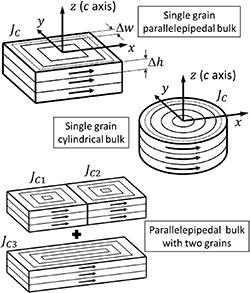
Figure 5. Examples of sand-pile modelling of HTS bulks. Single grain bulks require only the knowledge of one current density,  . A two-grains bulk may be modelled as the superposition of two intragrain current densities,
  and
and  , and one intergrain current density,
  .
.
Download figure:
Standard image High-resolution imageCurrent and future challenges
Modelling of large multi-grain bulks: high-power/field applications require flux density values that can be one order of magnitude higher than those of permanent magnets [35]. Large multi-grain bulks, manufactured in different shapes and dimensions, are a practical solution for this [32]. Yet, to use sand-pile modelling, all the exact dimensions of the grains, as well as the intergrain paths must be known. When grains are more than three, the number of possible paths boosts, but several may be irrelevant. All these unknowns can be integrated into optimisation algorithms as GA, but with a dramatic increase in the search domain and computational effort, as well as convergence issues.
Trapped field fluctuations and current density dependencies: sand-pile models are suited for static applications, with nearly constant trapped fields. Yet, in real ones, bulks are subjected to flux creep and changing external fields caused by the relative motion of parts and/or varying electrical sources [3]. These cause fluctuations in the trapped field that are not captured by the sand-pile model, which should be dynamically reconfigured. Also, the Bean model is limited, as  is affected by flux density.
3D printed bulks: new ways for producing low-cost, on-demand configurations of HTS bulks are emerging, such as 3D printing [36]. It allows the manufacturing of complex geometries with porous microstructure where current paths vary with the configuration of the deposited layers of HTS material. Current loops depend, ultimately, on the paths followed by the printer nozzle, and this information is often absent, an increased complexity that avoids using the previous methods.
Data availability: the application of AI methods usually relies on the availability of data that can be used to learn patterns. To build general models, large datasets need to be made available for the learning process. Trapped field measurements, characterising bulks, are either the property of researchers or spread in scientific literature, often in formats that are not transferable to digital workable structures (e.g., as images instead of tables of numeric values).
Advances in science and technology to meet challenges
Modelling of large multi-grain bulks: there are few studies on the macroscopic intergrain currents of bulks with more than three grains. Yet, these can be manufactured with a larger number of grains, such as eight [32] or higher [37]. For example, in an eight-grain bulk, more than 20 intergrain loops can be expected, and previous GA-based methodologies will not be viable. To address these challenges, the use of hybrid methods, involving both evolutionary or meta-heuristic algorithms and ANN, is foreseen. ANN are universal interpolators, and they can learn the fitness function, decreasing the processing effort of the latter as they are simultaneously trained, also allowing the removal of irrelevant unknowns. Since ANN are implemented by an analytical function, they improve computation time by replacing the calculation of Biot–Savart law, which must be determined for all current elements in all the loops. In addition, new paradigms are foreseen to emerge from the AI field, such as DL for processing trapped field surfaces. DL is a class of machine learning (ML) algorithms that use multiple processing layers of data to learn patterns in it, and have been successfully applied in many fields, such as medical imaging automated analysis [38]. DL addresses both labelled and unlabelled data. Regression models, in semi-supervised learning paradigms, can be researched, where flux density at any point in space will be predicted from trapped field surfaces.
Trapped field fluctuations and current density dependencies: the effect of the complex EM environment of the devices on the trapped field attenuation, including its long-term operation and measures to mitigate it, needs more research [3]. As before, the use of DL is envisaged to capture patterns and learn from observations, e.g. updating  on each loop.
3D printed bulks: as this is an emerging field, there is little knowledge reported on the configuration of loops and these may be hardly labelled. Unsupervised DL provides a prospective approach to building regression models, but new developments are required, as related to the parametrisation of current loops, that may differ depending on the layer of the deposited material.
Data availability: the amount of data required to train the DL networks depends on the complexity of the problem, i.e., the number of features to predict. Thousands of trapped field surfaces may be required, and it is not feasible to generate them individually. Collaborative repositories, where data can be uploaded and automatically validated need to be developed for this paradigm to succeed.
Concluding remarks
Sand-pile modelling with evolutionary algorithms such as GA has shown to be a fast methodology to model trapped fields, yet, in limited applications. For realistic operating conditions and advanced concepts, new methodologies need to be developed. DL techniques, in distinct learning paradigms and datasets nature are foreseen to allow for building regression models. The availability of large datasets highlights as one of the main challenges for DL success, where collaborative data-gathering approaches are required.
Acknowledgments
Supported by Fundação para a Ciência e a Tecnologia, Portugal, with reference UIDB/00066/2020.
5. Surrogate modelling of superconducting materials and applications
Wenjuan Song1, Francesco Grilli2 and Enric Pardo3
1Propulsion, Electrification & Superconductivity Group, James Watt School of Engineering, University of Glasgow, Glasgow G12 8QQ, United Kingdom
2 Karlsruhe Institute of Technology, Karlsruhe, Germany
3 Institute of Electrical Engineering, Slovak Academy of Sciences, Bratislava, Slovakia
Status
Modelling of superconducting materials and applications is of great importance in two aspects: (a) design and optimisation of superconducting components without the need of building prototypes; (b) detailed analysis of physical properties, such as electro-magnetic fields, mechanical stress, and temperature. Superconductors have a very peculiar EM behaviour, requiring dedicated models to obtain the distribution of macroscopic electrical currents and magnetic fields. The existing modelling approaches are grouped into two categories, analytical and numerical.
A notable example of an analytical model is the Critical State Model [24, 39], which provides formulas for AC loss calculation—a key quantity for the efficiency of superconducting applications. Analytical models are of almost instantaneous use but present important limitations, e.g. they are restricted to simple geometries and assume constant physical properties; they are of limited usability for most realistic problems.
Numerical models exhibit high-fidelity in simulating complex superconducting applications. To simulate the EM behaviour of superconductors, different mathematical formulations and methods have been proposed [24, 40–43]. Among these, commercial solutions (mostly based on the FEM) have generally a user-friendly interface and a straightforward model-building; circuit models have relatively fast calculation speed as compared to FEM whilst maintaining a good accuracy; in-house codes, such as those based on variational and spectral methods [41–43], can be computationally much more efficient [42]. Despite the high-fidelity of numerical models, heavy computing load remains an obstacle to fully benefit the superconducting community, particularly for large-scale applications and 3D shapes, solving which could take up to days and weeks on a desktop computer. Massive parallel computing could potentially reduce the running time, but with high implementation costs.
In summary, neither analytical nor numerical models can achieve high fidelity and fast computation simultaneously. However, surrogate models could provide satisfactory accuracy, versatility, and real-time computation [17, 44, 45]. Surrogate models are based on AI approaches, including neutral networks, DL, ML, etc [17, 44, 45]. They need input data obtained from experiments or physics-based models, such as numerical models. AI-based surrogate models have been adopted in numerous studies to solve engineering problems. However, few studies used data-driven physics-based surrogate models for superconductors and their applications, and most of them fall into the performance assessment like AC loss and design optimisation [11].
Current and future challenges
The current challenge in the modelling and simulation of superconductors and their applications with complex geometries, is the compromise between the model’s high-fidelity and instantaneous computation, by current modelling approaches, either analytical or numerical models.
Apart from this, the existing simulation models would be struck harder with the need to model the system response where multiple applications exist with complex connections. In addition, the existing simulation models will most probably fail to tackle emerging new functionalities in many fields, including electrified transportation systems, power grids, and other electric systems where applicable. For instance, the superconducting technology has been foreseen to be the enabling technique for electric aircraft powertrain systems to reduce aviation emissions, and hence more and more regional electric aircraft or powertrain demonstrators will require cryogenic superconducting components and applications on board to increase efficiency, reduce weight and size, and increase power density in the next 10 yr. Therefore, it is demanding to have a high-fidelity and extra-fast computing simulation model, in a couple of seconds and down to ms, which could achieve real-time condition monitoring, fault diagnosis, system control and performance assessment. Therefore, a physics-based highly precise and fast computing surrogate model will be urgently required. To establish surrogate models, data are required either from experimental systems or simulation models, such as analytical and numerical models.
The areas shown below will be at the forefront of the emerging challenges confronting the modelling and simulation of superconducting applications and systems in future, and properly validated surrogate models are promising to tackle these:
- (a)Performance assessment in the design stage, including AC loss and electro-thermal quench of superconducting components.
- (b)Design optimisation. The surrogate model will help multi-objective design optimisation for superconducting applications.
- (c)Operating stage: Real-time condition monitoring for superconducting cables (SCs), superconducting machines, superconducting fault current limiters (SFCLs), and other electrical devices on board, such as thermal management.
- (d)Fault detection. It is crucial to build a fast, accurate, and reliable fault detection system for the protection of superconducting magnets.
- (e)System control, such as electric machines, SMES, superconducting circuit breaker, flux pump, etc.
Advances in science and technology to meet challenges
Surrogate models will bring game-changing solutions to meet the challenges for superconductors and their applications. Figure 6 shows the procedure to build an accurate surrogate model.
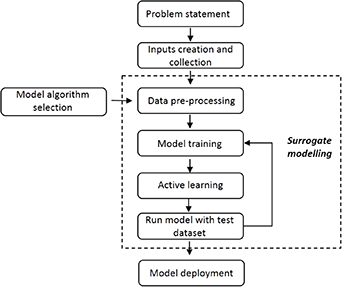
Figure 6. Flowchart of building a surrogate model.
Download figure:
Standard image High-resolution imageThe advances of using surrogate models to resolve the challenges are explained below, for instance, but are not limited to these.
- AI-based surrogate models will significantly contribute to design improvements of large-scale superconducting applications [11]. For instance, in electric machines, armature windings, stator iron yoke, and field windings are the most susceptible parts to minimise weight and size, and swarm or evolutionary-based AI algorithms could benefit from this; GA is usually used to deal with the power density and efficiency increment.
- Online condition monitoring systems could be achieved via surrogate models. For instance, superconducting constructions are normally integrated with many varieties of sensors to log, report, and analyse their multidisciplinary performance. These sensor data would be received and analysed by an AI-based surrogate model, most probably DL, to update and adjust the model simultaneously.
- AI-based surrogate models can dynamically estimate and optimise the control systems of superconducting devices. For instance, superconducting machines and energy storage systems demand accurate and real-time control systems, considering the dynamic nature during operation (e.g. controlling the speed and torque in machines). Swarm-based optimisation techniques together with DL can be implemented to update the controlling parameters simultaneously at both device and system levels.
Though great advancements will be brought by physics-based, accurate and fast-computing surrogate models, some further improvements are still needed to fully benefit these areas.
- To feed and build a highly accurate and physics-based surrogate model, high-fidelity numerical models and systematic experimental testing systems are strictly required.
- More advanced AI algorithms should be improved and explored, which can maintain highly stable and accurate, despite numerous input variables and signals.
- High-performance computing hard-ware facilities are demanding to make the numerous data capable with the established AI model for real-time analysis. These efforts are well deserved in the field of fusion, and future electric aircraft, for instance.
Concluding remarks
Modelling and simulation of superconducting materials and applications are of great importance due to their significant contributions to the design stage and performance analysis. Nowadays, analytical and numerical models are widely used. However, they still face challenges to deal with complex geometries in very short computing times, the trade-off between running many simulations and high accuracy, and the emerging modelling functions for superconducting power applications, including real-time condition monitoring, fault diagnosis, system control and performance assessment. On the contrary, data-driven physics-based surrogate models show strong advances to tackle these problems. Surrogate models, together with analytical and numerical methods, can assist each other in the design optimisation problem. In particular, we discussed the future challenges in the next 10–20 yr within the modelling of superconducting power applications. Eventually, the advances brought by surrogate models are given and discussed.
Acknowledgments
Networking support provided by the European Cooperation in Science and Technology, COST Action CA19108 (Hi-SCALE) is acknowledged. The work is partially supported by the start-up fund at the University of Glasgow.
6. AI for magnet technology and MRI industry
Michael Parizh1, Boyang Shen2 and Tim Coombs2
1 General Electric—Research, One Research Circle, Niskayuna, NY 12309, United States of America
2 Department of Engineering, University of Cambridge, Cambridge CB3 0FA, United Kingdom
Status
At the current stage, AI is not broadly used in the design, manufacturing, and testing of superconducting magnetic MRI magnets yet. This section presents how the latest AI developments can open new opportunities for the MRI industry. AI-based modelling and optimisation approaches may help in the design of the high-uniformity high-persistence superconducting magnets including coil location, conductor optimisation, loss analysis, aggressive quench protection, shim assembly design, and cryogenic system optimisation. This section reviews the existing preliminary-stage design and optimisation of the superconducting magnet and other components for MRI systems using AI techniques. The knowledge-based modelling may be used to address system component interactions such as magnet-to-gradient interaction. The classification and clustering methods may find application in quench origin and cause identification when very limited information is available. Different AI methods could be used for the selection of the lowest-cost manufacturing methods, identification of cost-effective manufacturing tolerances, shimming optimisation, fault mode analysis, etc. AI promises to be helpful in the development of higher-performance, more affordable commercial MRI scanners and for the design of extremely challenging ultra-high field (>10 Tesla) MRI scanners.
The working principle using AI technology to optimise the homogenous magnetic field of the MRI HTS magnet is shown in figure 7. For example, the GA can use the strategy shown in figure 7 to reduce computation burden and time, and efficiently optimise the homogeneity of background magnetic fields of MRI scanners.
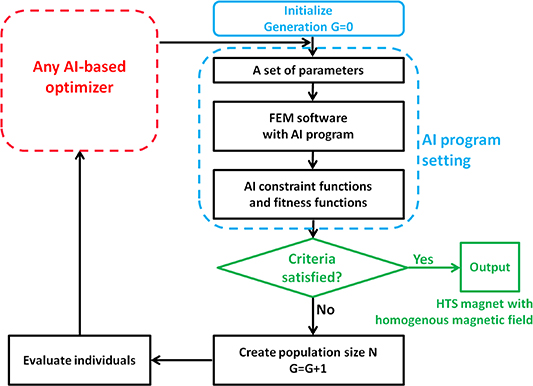
Figure 7. Working principle using AI technology to optimise the homogenous magnetic field of the superconducting MRI magnet.
Download figure:
Standard image High-resolution imageFigure 8 presents the homogenous magnetic field of the HTS magnet in a mobile MRI for extremities, before and after using the GA. It can be seen that the homogeneity after AI optimisation (15 cm × 17 cm diameter elliptical volume (DEV), 17.98 ppm peak–peak) is much better than the homogeneity before AI optimisation (15 cm × 17 cm DEV, 6.57 ppm peak–peak). Furthermore, the AI-processed DEV cross-section has a much more clean area of ppm < 1, which implies the AI technology has superior advantages of reducing the harmonics over conventional optimisation methods.
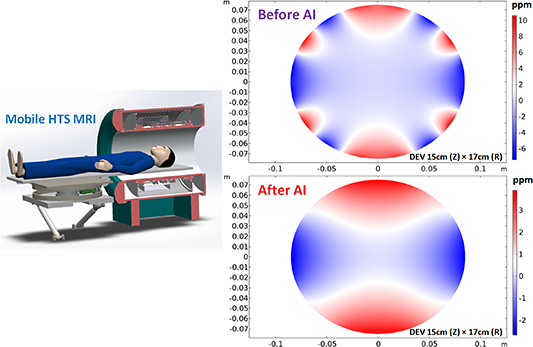
Figure 8. Homogeneous magnetic field of the HTS magnet in a mobile MRI, before and after using the AI technology.
Download figure:
Standard image High-resolution imageCurrent and future challenges
The AI methods find applications in clinical diagnostics for MRI, from image acquisition to image interpretation and prognostic evaluation. Multiple AI approaches are used in the diagnostic practice including DL, ANNs, and supervised and unsupervised ML. Although AI approaches are not broadly used in MRI magnets yet beyond the design of specific components [46], the methods show significant potential. MRI scanner is a commercial product, with thousands of scanners shipped to customers annually.
Superconducting MRI magnets must meet multiple challenging and conflicting requirements:
- Because of the resonance nature of the scanning modality, commercial scanners must deliver the exact required magnetic field. Even a 1% deficiency of the magnetic field below nominal is not acceptable.
- High magnetic field homogeneity in a large volume. The typical magnet uniformity for whole-body MRI scanners shall be about ten parts per million (ppm) in 45 cm diameter spherical volume (DSV) [47].
- High-quality imaging requires persistent operation of the magnet. Magnetic field decay shall be below the averaged 0.1 ppm hr−1, or 0.088% yr−1 [12]. The total voltage drop across a typical 1.5 T magnet shall be below 0.3 mV, or the total circuit resistance shall be below 1 nΩ.
- The magnet must generate a minimum stray magnetic field. The typical 5-gauss line of the commercial whole-body magnets is approximately 4 × 2.5 m from the magnet centre for 1.5 T units and 5 × 3 m for the 3 T scanners [47]. Even the ultra-high field 7 Tesla and 11.7 T Iseult magnets utilise the actively-shielded architecture [48, 49].
- In the whole-body scanners, the patient-accessible warm bore needs to be maximised to at least 60 cm, better 70 cm, while the magnet should be compact, with minimised weight, length, and overall diameter. The compact scanner design assumes not only magnet optimisation but also multiple system trade-offs including dimensional constraints for the scanner components such as magnet and gradient coils that compete for the same space.
- Conductor selection for MRI magnets includes multiple trade-offs. The typical monolith or wire-in-channel conductor offers better winding quality, lower conductor cost, and persistent operation with known techniques for superconducting joints. The relatively low current causes high voltages during a quench. A long single-piece conductor length on the order of 5 km is required.
- To deliver the required image quality, EM, mechanical, and thermal interactions between the magnet components shall be minimised.
- The MRI scanners are commercial units, so their procurement and life-cycle costs must be minimised. The costs are minimised if manufacturing and test methods are optimised while the yield of the scanners shipped to customers shall be maximised.
Advances in science and technology to meet challenges
AI techniques can be used for MRI magnet design, protection, manufacturing, testing, and performance analysis.
Magnet design.
The magnet design is a multi-dimensional problem that includes weight and cost minimisation within dimensional and performance constraints. Higher current density in the coils promises lower conductor and manufacturing costs, however, it may result in unacceptable hot spot temperature and voltage during quenches, and high mechanical stresses. The peak magnetic field on the conductor should be minimised to deliver a lower conductor price. The random search feature of AI-based optimisers makes the whole searching process much faster than the conventional trial and error method or even a mathematical search method, especially for the design of ultra-high field (>10 Tesla) MRI magnets [50–53].
Several optimisation algorithms may be considered to address a variety of EM, thermal and structural problems that could depend on the magnet configuration and application such as commercial magnets versus one-of-a-kind, ultra-high field MRI, etc. So far, the GA optimiser is most frequently used for addressing a specific issue of optimisation of the location and configuration. For example, the GA optimiser is suitable for the homogeneity optimisation of the main background magnetic fields of MRI magnets, and a case study has proved the homogeneity could potentially be less than 1 ppm in a 10 cm DSV of an HTS MRI magnet, with a decent optimisation speed [53]. However, in the future other AI techniques such as ANN [54], together with meta-heuristic and swarm-based optimisation algorithms, may be considered.
There are relevant optimisation methods for superconducting magnets discussed in section 4 ‘surrogate modelling of superconducting materials and applications’ and section 6 ‘integrated magnet design environment via surrogate modelling-based optimisation’ that can be considered in future for HTS magnet designs.
Magnet protection.
The magnet protection must be safe and reliable in any mode of operation including magnet ramp at low- and high-currents, insertion or retraction of the current leads, or persistent operation. Quench shall not cause any degradation of the magnet performance. At the same time, faulty activation of the protection is unacceptable. Safety concerns require that MRI magnets are equipped with the emergency field shut down unit for fast ramp-down in case of emergency. Supervised and knowledge-based modelling methods may be used for the analysis of multiple quench scenarios. AI will help in the selection of a reliable, low-cost protection approach.
The MRI scanner consists of multiple subsystems including magnet, gradient and RF coils, shimming assembly, conductive cryostat vessel, etc. Although every effort is made to minimise the sub-system interaction, it is either very expensive or not feasible to assure zero interference including localised interference, especially taking into account all manufacturing tolerances. The interference may require slower component operation thus increasing the scanning time and reducing patient throughput. The interference may affect the image quality or even cause a system fault, such as a magnet quench. Regression and prediction, and modelling methods may help in the proper component design and minimisation of the sub-system interaction.
Manufacturing.
AI methods will be very helpful in the commercial manufacturing of MRI scanners. The field decay in persistent MRI magnets depends on the conductor margins, the quality of superconducting joints and the transition rate from superconducting to resistive state often described by the index N. These factors are highly variable, although at different rates. It is expensive and often not possible to repair the magnet with high field decay: likely, the decaying magnet will be scrapped. Reliable optimisation shall guarantee an acceptable decay while minimising the material and manufacturing costs. DL for analysing conductor and manufacturing data may be used.
Due to unavoidable manufacturing tolerances, the magnets as-built have a non-uniformity of several 100 ppm. In addition, the effects of a magnetic environment such as metal beams or passive shielding of the room must be compensated for. Shimming system is used to reduce the non-homogeneity to the necessary level of 10 ppm. Over-design of the shimming system is counter-productive: the oversized shims may occupy expensive space in the system, increasing interaction with other components. Statistical analysis of the manufacturing tolerances and environment, regression and prediction, and classification methods may be applied.
Testing.
All superconducting MRI magnets are tested for performance before shipment to customers. AI methods may reduce testing time and minimise unnecessary quenches. For example, quench analysis may help in the identification of the quench scenarios, quench origin, and identify specific conditions that result in quenches. MRI components including switches and diodes are often 100% tested at cryogenic temperature before integration with the magnet. Regression and prediction methods may reduce full testing to sample testing. AI analysis of the test results will reduce the qualification time and assure better access of customers worldwide to MRI imaging opportunities.
Concluding remarks
AI algorithms can powerfully optimise the homogeneity of the magnetic field from the superconducting MRI magnet. In the future, AI technologies will have great involvement in the MRI industry, for the cost-effective manufacturing, high-quality optimisation, high-efficiency testing, and high-performance operation of MRI scanners.
Acknowledgments
The authors thank Yavuz Öztürk for the drawing of the mobile MRI.
7. Integrated magnet design environment via surrogate modelling-based optimisation
Tiina Salmi, Di Wu and Eric Coatanea
Tampere University, Tampere, Finland
Status
The superconducting magnet design process includes several highly coupled design tasks as presented in figure 9. Using domain-specific modelling and simulation software, the current design practices, however, are loosely coupled and lightly integrated with a simulation process chain during the design and optimisation procedures. Additionally, simulations during superconducting magnet design can be costly in terms of execution time, which can limit the design space exploration and consequently the performance of the solutions.
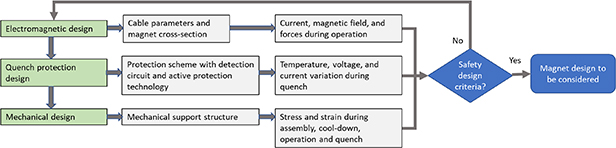
Figure 9. A schematic showing an example of different tasks in magnet design and their possible connections. The design criteria are input based on performance requirements and engineering limitations given by other design aspects.
Download figure:
Standard image High-resolution imageIn future particle accelerators, the magnets are expected to reach targets significantly beyond the present state-of-the-art, and their cost will be driving the cost of the entire accelerator project [55, 56]. The magnet design optimisation for performance and cost will thus become increasingly important. Streamlined design optimisation is also essential to develop superconducting applications for future greener energy and the environment [1, 4].
Advances in ML are guiding modelling methodologies, multi-disciplinary design optimisation (MDO), as well as surrogate modelling. This may lead to a new form of simulation modelling. This development can follow some strategic directions such as standardising the modelling process, integrating simulation models, and considering untapped sources of knowledge. As a result, this will speed up the simulation process while supporting a better design space exploration and decision-making process for superconducting magnet design.
Current and future challenges
Forming an integrated design framework for superconducting magnets is challenging because of the complexity of the physics, the limitations of computational resources, and the limited multi-physics coupling capacity of current FE simulation software. For example, a simulation of magnetic field distribution in a relatively simple HTS tape-based solenoid magnet can take 30 min (figure 10). The computational time can increase to hours when dealing with more complex structures. Additionally, the exploration of the design space implies design iterations and repetition of multi-physics simulations on EM design, superconductor working points, mechanical design, quench protection, cooling system, and integration with the rest of the operating environment [55]. Moreover, a lack of detailed knowledge relating to material properties or interface conditions can increase uncertainties during the design process. The strong coupling between different design objectives and design disciplines complexifies the optimisation process and can reduce the ability to explore the entire design space due to time constraints. Ultimately, all those limitations have an impact on the performance of the design solution. Therefore, to develop a truly integrated design environment in the future, reducing computational cost, chaining more efficiently coupled simulations, and iteratively providing guidance towards improved optimal design, are demanded. Additionally, approaches allowing the integration of unexploited sources of knowledge and providing explainable and parsimonious models are required.
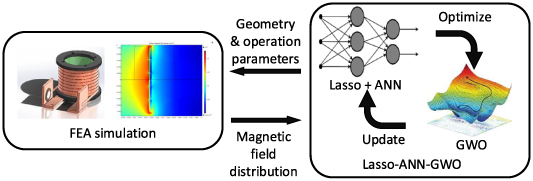
Figure 10. Using Lasso-ANN-GWO in COMSOL finite element analysis (FEA) simulation-based magnetic design.
Download figure:
Standard image High-resolution imageAdvances in science and technology to meet challenges
Simulation, surrogate modelling, and the need for fidelity, explainability, and parsimony.
Simulation models in superconducting magnet design aim at representing specific physics phenomena. Fidelity is a measure of how well simulation models represent physics while also considering the intended purpose and scope of the models. In the future, when ML -based models are used in magnet design, the fidelity of a model should be assessed by developing a fidelity evaluation for ML models. This does not yet exist. Future ML solutions should take into consideration untapped sources of knowledge, to increase the fidelity level of models and their scope. In the future, fundamental dimensions and their derived system should be used as an important source of additional knowledge to form ML models. This should lead to better specifying the purposes and intended usage of ML simulation models to be able to decide if they match the required expectations.
The semantic fidelity prism developed by Roca can be a promising answer to these challenges [57]. The Dimensional Analysis Conceptual Modelling (DACM) framework [58, 59] offers the basic concepts to operationalise, fidelity measurements in superconductor modelling and simulations. Future solutions in surrogate modelling for superconductors will benefit from explainability and parsimony properties because they should be analysed and understood by humans, contrary to DL solutions that are black boxes. Fidelity measurement and DACM shall support those future developments.
Surrogate model-based optimisation methodologies.
In the future, surrogate model-based optimisation (SMBO) methodologies will reduce the number of multi-physics simulations by replacing the expensive simulation model with a computationally cheaper surrogate model. Some researches already applied surrogate modelling in magnet design, but their usage remains usually static [60]. To further improve efficiency factors, surrogate models should be able to be dynamically updated by automatically generating new samples where needed. The sample generation from the numerical multi-physics simulations can be guided by optimisation algorithms, which are interfaced with the multi-physics simulation tools. An initial proof of concept, applied to the EM design of a HTS magnet, combining Lasso, ANNs, and grey wolf optimiser (GWO), is ongoing inside the SMARAGDI project [61] at Tampere University. This future vision is presented in figure 10. In the algorithm, the simulation results are learned by Lasso and ANN to distinguish the design variables that have a large influence on the objectives. By focusing on and updating those variables, the optimisation algorithm can obtain better solutions within a limited computational cost. Conjointly, the knowledge and experience of the designers can guide the generation of new samples [62]. For example, instead of searching in a black-box design space, knowledge of cause-effect relations and the use of Bayesian networks will provide insight by supporting the discovery of the most attractive design areas. Additionally, by extracting the sensitivity and fidelity information, new samples, and new surrogate models will become more parsimonious and consequently more efficient in terms of running time and explainability while maintaining the other performance criteria constant.
Multidisciplinary design and optimisation framework.
To integrate more design aspects, future optimisation solutions should systematically employ MDO frameworks. An ideal MDO framework provides a platform to combine all the simulation models for different disciplines and all the design and optimisation algorithms together. The MDO must also remain flexible to allow extension to new algorithms. The second function of the MDO framework is to provide decomposition strategies to deal with coupling between disciplines at system-level design. Decomposition strategies propose policies to reduce the number of system-level simulations and the number of simulations in each discipline. A direction for future research is to develop more generic functional-based and variable-based decomposition strategies providing more flexible and standardised design processes. Combining data mining methods (e.g. clustering, classification, and rule learning) and the existing knowledge from the designers, a more detailed system-level model centred on functions and variables of the superconducting magnet design can be constructed to replace the traditional disciplinary-based model. As a result, new decomposition strategies can be developed based on the information obtained from the detailed models. A promising research direction is to develop generic causal graphs representations of MDO problems using the DACM framework [58, 59], combined with physical contradictions detection and reduction using the Theory of Inventive Problem Solving separation principles since contradictions are the root cause of optimisation processes.
Concluding remarks
With the increasing demand for high-performance particle accelerators, the coupling and interaction between different multiphysics simulations should be considered during superconducting magnet design. However, the high computational cost of the simulations or the lack of methodologies capable of integrating different simulations and design areas can form a major challenge to the successful design of the next generation of superconducting magnets. An intelligent combination of surrogate models, SMBO, MDO, ML, and design optimisation is a promising direction to improve system-level superconducting magnet design and optimisation, resulting in reduced computational cost both at performance prediction and optimisation stages. Combining surrogate modelling and SMBO in the MDO framework can provide an environment to perform the system-level design considering all the interactions among disciplines. Future work should take advantage of all the available information during SMBO and MDO stages to further improve the design results.
Acknowledgments
We would like to acknowledge Dr Dmitry Sotnikov (TAU) for the FEM model and its image used in figure 10.
This research was supported by Business Finland Co-Innovation Project SMARAGDI, Grant: 3972/31/2019, and by Academy of Finland Academy Research Fellow Funding, Grant: 334318.
8. Real-time hot spot detection of cryogenic fusion magnets using distributed optical fibre sensors
Dominic A Moseley1, Rodney A Badcock1 and Mengjie Zhang2
1 Paihau-Robinson Research Institute, Victoria University of Wellington, Lower Hutt 5046, New Zealand
2 School of Engineering and Computer Science, Victoria University of Wellington, PO Box 600, Wellington 6140, New Zealand
Status
Superconducting magnets are an indispensable technology when fields >1 T are required. HTS can operate at higher temperatures and larger critical magnetic fields than conventional superconductors; making the high magnetic fields (>20 T) required for commercial fusion energy a realistic proposition [2]. While the manufacture and design of HTS magnets are rapidly progressing, the low quench propagation velocity (QPV) leads to difficulties in quench detection [63].
Quench behaviour is highly material and application dependent [64]. In HTSs, the large enthalpy margin makes them resilient to small temperature fluctuations which, in combination with specific coil winding techniques, can mitigate quenches [65]. However, once a quench is initiated, the heat generated is concentrated by the low QPV leading to dangerous hot spots. Therefore, quench protection will remain vital for large-scale HTS fusion magnets. In conventional monitoring, voltage fluctuations across the magnet are used to detect quenches. Unfortunately, low QPV correlates to a decrease in the generated voltage making accurate detection of voltage anomalies problematic [63]. This issue will be accentuated by the high mechanical strain and EM noise environment anticipated in many fusion magnet systems [2].
Many innovative condition monitoring techniques have been proposed including optical fibre sensing (OFS), magnetic, acoustic, and RF-based methods [66]. These methods utilise non-voltage signals potentially allowing hot spot detection before damaging heating occurs. However, they require more complex signal analysis techniques [67]. To date, no alternative technique has demonstrated better performance than voltage detection. This originates from two factors: (a) sub-optimal signal detection and (b) limitations in signal processing techniques. Thus, the simultaneous development of underlying detection techniques and signal processing methodology is required. In this article, we focus on OFS techniques which are insensitive to EM noise.
Considering the inherent complexity of the derived OFS signals and the rapid analysis required, ML approaches appear indispensable to solving this challenge. Therefore, developing a proven AI hot spot detection technique will help propel HTS fusion magnets from the promising to the game-changing. In this article, we will outline the processing challenges, and discuss how AI can assist before reviewing the necessary actions.
Current and future challenges
From the hot spot detection techniques available, we consider OFS to be the most promising. Optical fibres have a long history of successful condition monitoring in a range of extreme environments [68]. In the context of fusion magnets, OFS works by measuring local strain and temperature perturbations which will precede a quench. Therefore, they can potentially identify quench-like signatures before thermal runaway occurs [63].
The dominant OFS techniques utilise internally reflected light originating from two broad classes: randomly generated intrinsic backscattering centres or specifically designed fibre periodic Bragg gratings (FBGs), as shown schematically in figure 11(a). Local temperature measurement derives from thermal and strain transfer to the optical fibre subtly altering the reflected spectrum. While different OFS methodologies offer varying strengths and weaknesses [67, 69], the fundamental design challenge remains similar irrespective of the precise approach: temporal spectra variations must be isolated from the generic optical response in real-time (<100 ms).
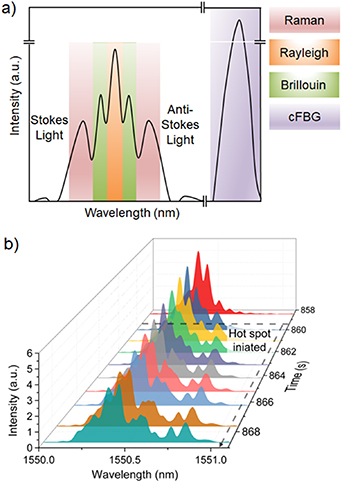
Figure 11. (a) Wavelength–Domain spectrum for Rayleigh-, Brillouin-, Raman- and continuous fibre Bragg grating (cFBG) reflected scattering. (b) Waterfall plot of cFBG spectra during a 10 s heat pulse illustrating underlying complexity of signal (unpublished data).
Download figure:
Standard image High-resolution imageThe measured perturbations are highly dependent on the exact conditions experienced by the optical fibre including the magnitude of the hot spot, the pre-existing strain and temperature profiles, the local thermal transfer sensitivity, the signal-to-noise ratio, and signal processing capabilities. This makes predicting the spectral response a-priori extremely difficult. As an example, figure 11(b) displays a representative temporal response for an OFS technique. Existing signal processing techniques use simple algorithms which underutilised the wealth of spectral data available [69]. These approaches may have insufficient sensitivity to rapidly detect hot spots in real-world systems. Furthermore, in the extreme environment anticipated in fusion energy magnets, the long-term evolution of the OFS spectra, caused by the high radiation environment, will alter the generic spectral response. Therefore, the evolution of the processing algorithm may be necessary to counteract signal deterioration.
AI signal processing methodologies appear the ideal tool for overcoming these challenges. The inherent adaptability of machine-learning approaches should ensure accurate pattern recognition and provide the required algorithm evolution. Additionally, developing AI techniques for post-hoc analysis can help to guide the rapidly developing field of HTS magnet quench modelling. Therefore, fusion magnet hot spot detection represents an ideal test-bed for developing machine-learning techniques.
Advances in science and technology to meet challenges
To become application-ready, OFSs must improve the existing signal-to-noise ratio. This requires simultaneous optimisation of the optical fibre response and signal processing techniques [67, 69]. To illustrate the challenge, in figure 12, representative spectral maps for artificially generated hotspots are displayed for two different state-of-the-art OFS techniques. These datasets originate from small-scale proof-of-concept experiments. In real-world systems, not only will the signal-to-noise ratio be significantly diminished but the baseline spectra more complex.
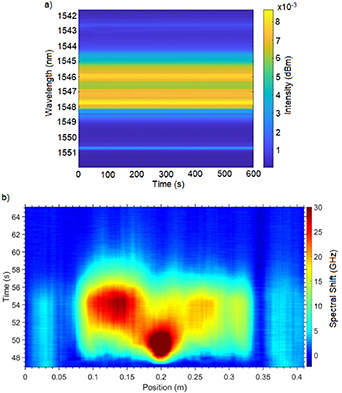
Figure 12. Representative responses for different OFS techniques when a short heat pulse is applied: (a) cFGB (unpublished data) and (b) Rayleigh backscattering [67]. For further details of each experimental approach see [69] and [67] respectively. Note that the spectral response in (a) corresponds to a 10 m monitoring region compared to 24 cm in (b). As the monitoring region increases, signal processing will become increasingly difficult.
Download figure:
Standard image High-resolution imageA range of AI techniques applies to this challenge, including genetic programming, SVMs, transfer learning, feature selection and feature learning. The signal processing can be approached as a (symbolic) regress, classification, or clustering task. However, we suggest that convolutional neural networks (CNNs) may satisfy all the processing requirements. CNNs are DL models designed to develop spatial hierarchies automatically and adaptively using training databases [70]. They are composed of multiple computational layers and have been shown to analyse complex signals in real-time [70].
Any approach will require, at least, partially supervised learning. Therefore, it is essential that the experimental community generates a comprehensive database of labelled spectra illustrating a variety of expected responses. This library will provide a testing ground enabling AI researchers throughout the world to engage in the challenge, ensuring rapid benchmarking of the possible AI approaches.
However, each individual HTS magnet will have complex strain and temperature profiles leading to unique spectral signatures. This implies that specialised training databases are required for each experimental system. Generating these databases may be onerous or even impossible before the implementation of the system. Physics-based modelling will allow representative training data to be generated but integrating the complex interactions required for accurate predictions is challenging. Despite these difficulties, the development and experiment validation of these models may play a pivotal role in simultaneously creating realistic datasets and verifying the AI-based techniques.
Another alternative are semi-supervised ML approaches [71]. These circumvent any ‘black-box’ issues allowing operation without extensive training databases. Therefore, the exact solution satisfying the unique criteria for fusion magnet hot spot detection is not established. However, any technique will require collaboration between experimentalists and AI experts.
Concluding remarks
Hot spot detection represents a key challenge in the development of HTS magnets. Despite the difficulties, the society-altering consequences of HTS fusion magnets justify significant attention. Commercial fusion energy is a rapidly growing area with quench detection a known difficulty. OFS may offer the best hot spot detection solution in high EM noise and cryogenic environments. By directly observing the temperature profile, OFS could increase the speed and accuracy of detection. However, the intricate evolution and inherent unpredictability of the spectral signal indicate that AI signal processing may be necessary.
This article is a clarion call to the experimental OFS and AI communities. For the experimentalists, a well-categorised spectral library with labelled data must be developed. To the AI experts, we present an unexplored experimental territory which has the potential for global change, a clear set of processing requirements and a motivated community ready to engage.
Acknowledgments
This work was supported in part by the New Zealand Ministry of Business, Innovation and Employment (MBIE) under Contract RTVU1707, and in part by the Strategic Science Investment Fund ‘Advanced Energy Technology Platforms’ under Contract RTVU2004.
9. Detection of quench precursors in superconducting magnets using AI techniques
Vittorio Marinozzi and Nhan Tran
Technical Division, Fermi National Accelerator Laboratory (Fermilab), Batavia, IL 60510, United States of America
Status
A fast, and reliable quench detection system is extremely important for the safe operation of a superconducting magnet. Indeed, being able to detect a quench immediately after its occurrence allows it to trigger the magnet quench protection in a short time, and therefore limit the peak temperature and peak voltage of the magnet. A fast quench detection, therefore, enables the design of higher performance magnets, able to carry larger current without protection problems.
Today, most used quench detection systems are based on the measurement of the resistive voltage growth due to the propagation of the quench inside the coils. For this reason, the reliability of existing quench detection systems depends on the QPV. While this technique is well-established for low-temperature superconductors (LTSs), where propagation is fast (∼10 m s−1) and a quench can be detected only a few milliseconds after its occurrence, it is still unknown whether it will be possible to use the same approach for HTSs, where quench propagation is much slower (∼0.1 m s−1) [72]. HTS is likely to be the future of high-field superconducting magnets, enabling the use of >20 T magnetic fields, especially for most advanced machines like future particle accelerators or fusion energy plants. It is important to ensure that quench can be detected safely in HTS, and new detection techniques, independent of the QPV, will be needed.
In magnet diagnostic data we can observe quench precursors [73]. The resistive voltage growth is the consequence of a previous release of energy, and therefore it should be anticipated by ‘anomalies’ in other kinds of data, such as acoustic, optics or EM data. Being able to monitor quench precursors in real-time could therefore be a game-changer in the quench detection approach. Indeed, the identification of quench precursors is not dependent on quench propagation. Furthermore, the detection of precursors can be done before a resistive zone is formed.
It is trivial how much the design of HTS magnets would earn from the possibility of detecting a quench independent of quench propagation. But LTS magnets have a margin for improvement too: one of the current challenges in LTS (Nb3Sn in particular) is indeed finding how to reduce magnet training. Detection of precursors can feedback the power supply before the formation of the resistive zone, and ideally completely avoid the quench.
Current and future challenges
While we can see quench precursors in post-processing diagnostics, the big challenge is being able to detect them in real-time during magnet operation.
Quench precursors can have different shapes and different time-length and can appear in different types of data, depending on the quench origin event, which can be a coil movement as well as a heat release. Moreover, the same release of energy can cause a quench at a high current but can be ignored at a low current, due to the larger enthalpy margin. A classical threshold approach is therefore out of the question. Instead, quench precursor detection can be reliably done only by cross-monitoring different types of diagnostic data (e.g. voltage, EM, optics, acoustic, etc), and associating the energy of the anomalies with the margin to quench, to predict it. Simply, there is not a straightforward threshold over which a quench is certain and under which it is not, like we do today with resistive voltage detection. We, therefore, conclude that the detection of quench precursors can be allowed only by using AI techniques.
ML algorithms can indeed be trained to learn how the magnet ‘normally’ behaves during operation, and therefore be able to identify anomalies in monitored data. These anomalies should be analysed in real-time, compared with margin to quench, and flagged as a possible cause of a quench. In that case, we could trigger the quench protection before quench formation. But we should also explore the possibility of reducing the current in the magnet by driving the power supply instead. In this way, the margin to quench is increased, and the energy released during the anomaly event could be absorbed by the magnet instead of generating a quench.
A first demonstration study is presented in [74] where acoustic sensor data for various locations across a superconducting magnet are used to detect quenches. High-level features derived from spectral data are used as input into a fully connected multilayer perceptron. Because each magnet can be unique, the non-anomalous behaviour of the magnet is dynamically learned as the magnet is trained. In this particular configuration, a quench is detected 77% of the time in a randomised experiment (see figure 13).
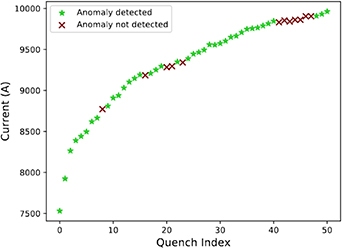
Figure 13. Anomaly events detected by a prototype machine learning algorithm in post-processing analysis of acoustic data taken during the training of MDPCT1b magnet. Anomalous events are detected in the majority (77%) of quenches. © [2021] IEEE. Reprinted, with permission, from [74].
Download figure:
Standard image High-resolution imageAdvances in science and technology to meet challenges
To address the challenge of understanding, predicting, and characterising quench events, deploying real-time ML techniques will be critical. Because precursors can arrive only seconds to milliseconds before the actual quench, fast data acquisition and data processing is required at kHz data rates to identify anomalous sensor signals potentially originating from a quench.
Approaches thus far, first use unsupervised ML techniques such as an autoencoder for anomaly detection. Then, anomalies can be classified by clustering similar quench events based on the latent (hidden) information in the NNs. Because several sensing modes can be used to identify quenches, combining those different modes could be even more powerful, and a multi-modal ML approach would be critical.
We are still just in the early exploration stage of what is possible with ML for magnet quench detection. There is still quite a lot of room for advancement in better identifying quench events, characterising and classifying the different types of events, and then building a system which can operate, learn, and react in real-time.
In designing ML algorithms, future studies should explore raw data features besides simple high-level features. For example, using the raw signal spectrum or data pre-processing in the frequency domain and constructing a deep NN architecture with convolutional layers has shown promising results for detecting anomalous sounds [75]. Furthermore, combinations of DL models into ensembles could provide a more robust determination of anomalies. In natural language processing, recurrent neural network (RNN) architectures, including LSTM layers [76], or attention [77] or graph-based architectures have shown promise for analysing time-series data and could also be explored. The latter may be particularly relevant in the case of multi-modal input data from a variety of sensor data with different representations, time scales, and geometries. Beyond the structure of the DL architectures, it will be very important to understand the similarities and differences between anomalous quench events and their significance and related uncertainties. There have been several studies in physics related to this [78, 79]. Building variational autoencoders (VAEs) [80], as one example, can provide probabilities models for characterising quench events, within a single magnet and across many different magnets.
Concluding remarks
The possibility of detecting quench precursors in superconducting magnets should be explored. Indeed, quench precursor detection independent of the QPV, will solve the problem of quench detection [20] in HTS magnets, where quench propagates slowly. Moreover, knowing that a quench is going to occur before its appearance can be of great help with reducing/eliminating LTS magnet training.
However, quench precursors are statistical events, with different shapes and time-length, depending on the type of event that causes the quench. We are confident that detecting precursors with reliability is possible only using advanced ML and DL techniques, able to learn how diagnostic data behave and to identify eventual anomalies in real-time monitoring. We are convinced that in the next few years, the magnet community should make some efforts towards this achievement, which can be a game-changer in the quench detection techniques.
10. Development of a low-latency machine learning algorithm for electronic hardware for protection of superconducting magnets applied in high energy physics
Maciej Wielgosz and Andrzej Skoczeń
AGH University of Science and Technology, Kraków, Poland
Status
Today’s particle colliders are large installations built for high energy physics (HEP) or medical purposes. It seems that for a long time, this kind of installation will rely on superconductivity to generate high magnetic fields. Therefore, searching for an intelligent and effective method to forecast undesirable events (e.g. quenches) is essential to ensure the safety of colliders. Quench is unavoidably connected with the application of superconductivity, especially in the presence of a high magnetic field and limited geometry to host enough stabilising conductors.
Currently, active systems for protection against the consequences of quench events are used in the protection systems of huge colliders. The need for a forecasting system arises already in the High-Luminosity Large Hadron Collider (HL-LHC) and especially with the Future Circular Collider (FCC) on the horizon. Let us recall that the LHC is 27 km of superconducting installation, and the FCC will be almost 4× longer. There are several points to consider for development in this direction: various kinds of sensors to be used for quench detection, the sampling rate for digitising a sensor’s signal, conditioning, and pre-processing of the signal, and finally, the algorithms for online analysis of signals.
In general, five detection methods can be distinguished: voltage, magnetic, optical, acoustic, and capacitive [81], each of which has many complex kinds of realisations. Acoustic methods using the so-called coda signals seem to be the most promising. However, combining signals from several sensors of different types could be the most interesting solution for forecasting algorithms. The algorithm should detect anomalies that precede the quench event, and they should work with multichannel time series signals. The most commonly used ML algorithms in the anomaly detection field are autoregressive integrated moving average, evolution strategy, regression-based approaches, and NNs.
Current and future challenges
The analogue signals coming from the sensors are digitised. The key parameters of this process are the sampling rate, the input range, and the resolution. The choice of those parameters is a trade-off between the noise level and the speed of physical processes, which needs to be analysed. The RNNs were used to model magnet signals and introduced the concept of data quantisation using adaptive intervals that best use the dynamic range of data representation [82, 83]. It is also worth mentioning that quantised data are more susceptible to compression, potentially increasing the system bandwidth.
Signal processing should be designed to enable efficient processing on embedded devices to avoid the time uncertainty introduced by data transmission from the source (edge) to a remote server (cloud). The architecture is presented in figure 14. Therefore, it is crucial to compress ML models using dedicated techniques to enable hardware implementation close to the monitored machinery, providing a low-latency response.
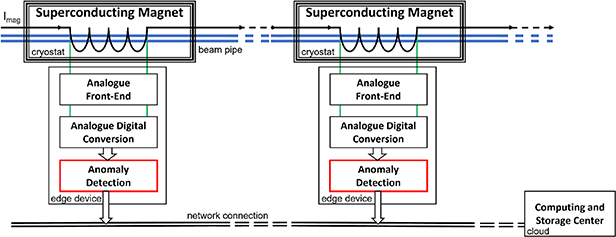
Figure 14. The conceptual view of the anomaly detection system with the voltage input signal (green). This system is similar to the Quench Detection System [84] currently operating in the LHC tunnel. The Anomaly Detection block (red) should contain a hardware implementation of the neural detection/forecasting algorithm.
Download figure:
Standard image High-resolution imageIn the context of NN-based models, it means that the structure of the NN should be computationally light to allow hardware implementation of the limited resources that exist near the data source [85], taking into account the shortening of an inference time between the appearance of the anomaly and the response of the classifier. It means that lowering the precision of the calculation and eliminating useless operations [86] must be applied when designing a detection or forecasting device.
The analogue and digital signal processing should also be designed to eliminate interference. In traditional quench detection schemes, spurious triggering is a critical issue that limits the availability of superconducting installations. In the case of particle accelerators, the influence of radiation on electronics as single event effects (SEEs) limits the usefulness of detection, and the system must be considered a highly dependable system dedicated to safety-critical applications. Therefore, redundancy and voting logic is recognised as necessary to be applied to mitigate SEE in the detection hardware. In principle, NNs are resistant to SEE due to inherent high levels of redundancy [87]. However, the successful implementation of a NN as hardware requires pruning [85] of excess connections in the structure. Unfortunately, the pruning process reduces the level of redundancy, leading to a higher susceptibility to SEE.
Advances in science and technology to meet challenges
There are two directions of development: algorithms and hardware implementations. In the field of algorithms, the idea of third-generation NNs as bioinspired spiking neural network (SNN) [88] gains a dominant position in the anomaly detection domain.
It is also possible to use transformer-based architectures for anomaly detection [89]. However, this class of neural architectures will require more demanding forms of model compression since transformers are vast architectures. A multimodal approach can help alleviate the problem of very aggressive transformer compression. For example, both acoustic and electric signals can be used simultaneously.
For the hardware implementation of the neural algorithm, three options are available when choosing a platform: microcontroller (µC), field programmable gate array (FPGA), and application specific integrated circuit (ASIC). In many common cases, the computational performance of modern microcontrollers dedicated to the NN is sufficient. However, using an FPGA may result in faster applications with lower power consumption and more robust to SEE. The traditional FPGA design flow employs hardware description language (HDL), but high-level synthesis (HLS) tools become widely available from FPGA vendors. The most challenging option is to design an ASIC. The performance of the resulting device is the best. However, the design flow is complicated, requires deep expertise, and usually includes the fabrication of one or more prototypes. This option is reasonable only in the case of large quantities of desired chips. On the other hand, the ASIC approach gives the opportunity to integrate analogue building blocks with digital hardware, shortening the latency and lowering the power consumption. All these approaches are presented together in one graph in figure 15. The missing component for hardware implementations is a full-stack solution that would enable comprehensive simulation and deployment, as is currently done for solutions utilising general purpose graphics processing units (GPUs)s.
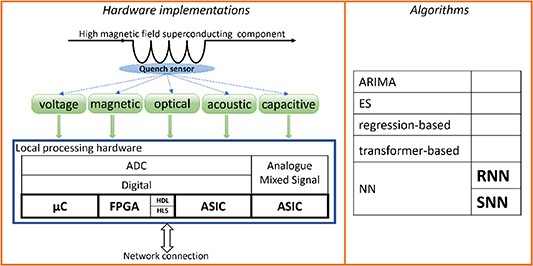
Figure 15. The graphical summary of algorithms options (right side) and hardware implementation options (left side) discussed in this text.
Download figure:
Standard image High-resolution imageMemristors with many resistance states are emerging building blocks of SNNs such as synapses of neurons [90]. They promise to overcome the von Neumann bottleneck thanks to analogue in-memory computing (AIMC), which becomes a new paradigm for future hardware NNs. The array of memristors can perform matrix multiplication following Ohm’s law and Kirchhoff’s current law. However, once again there are no efficient simulation platforms and compilers that would enable reliable mapping to memristor hardware networks preserving the working parameters achieved in the simulation.
Concluding remarks
The real-time low-latency response in systems based on ML algorithms is a huge challenge that future research needs to address. A bioinspired approach, such as the SNN, became dominant when designing neural algorithms.
The dawn of modern analogue computing AIMC opens a new horizon for low-latency training and inferring. Considering emerging technologies, one can also imagine a fully analogue forecasting system integrated with the monitored devices for superconducting machinery.
Acknowledgments
The authors’ interest in the subject was raised during a collaboration at CERN. Therefore, special thanks are directed to Andrzej Siemko, the Group Leader of the Machine Protection and Electrical Integrity Group (MPE) at the Technology Department (TE) at CERN, and Reiner Denz, the Section Leader of the Electronics for Protection Section (EP) at MPE-TE at CERN.
11. AI and smart algorithms for the protection of SCs in modern power grids
Dimitrios Tzelepis1, Mohammad Yazdani-Asrami2 and Sakis Meliopoulos3
1 Department of Electronic and Electrical Engineering, University of Strathclyde, Glasgow, United Kingdom
2 Propulsion, Electrification & Superconductivity Group, James Watt School of Engineering, University of Glasgow, G12 8QQ Glasgow, United Kingdom
3 School of Electrical and Computer Engineering, The Georgia Institute of Technology, Atlanta, GA 30332, United States of America
Status
The deployment of SCs is identified as a promising solution for modern power grids, especially for off-shore wind power-plants, high voltage direct current (HVDC) power systems, and sensitive applications [91–93]. This is due to their technically-attractive features such as very low losses, fault-current limiting capability, high-current capacity, compact structure, and light-weight. Nevertheless, to enable the broad adoption of SCs, there are significant challenges to be resolved such as the requirement for coupled electro–thermo–magneto-mechanical analysis, high-fidelity system-level modelling, mechanical and thermal stabilities and cooling issues for long-length cables, joints and terminations, and last but not least, efficient fault management (accounting for protection, fault location, and analysis) both for AC and DC grid applications [91–93].
Power grids with deployed SCs would be a multi-variable multi-physics system, and more dependent on a control that requires commensurate models. The complexities will only increase in the presence of distributed energy resources in both on-grid and off-grid (i.e. islanding mode) applications. Only mathematical expressions cannot be directly utilised to represent the state and behaviour of power grids, since those expressions are of high order and multi-dimensional. For such reasons, AI methods are utilised recently to analyse big sets of data and real-time measurements towards better understanding the behaviour of power grids. AI has been used in the area of protection for conventional systems for a wide range of purposes including derivation of fault levels, selection of settings, adaptive protection fault detection and classification. In this work, we will mainly discuss how AI techniques could help address the challenges in efficient fault management for the protection of SCs.
Current and future challenges
The SCs pose new fault-related challenges accounting for fault analysis and power system protection, due to their unique electro-thermal properties and the quench phenomenon. In particular, the transition to the normal metal state imposes a dynamic change to the equivalent system impedance which affects the fault current magnitudes, and subsequently introduces an adverse impact on (a) the well-established protection schemes (such as over-current, differential, and distance relays) and (b) existing fault analysis and approximation methods.
A SC model developed in [93] was utilised to investigate the impact of internal and external faults and load-switching on the overcurrent protection. The sensitivity analysis depicted in figure 16, clearly demonstrates that even the detection of faults occurring on SCs can pose significant challenges in terms of sensitivity and stability of well-established protection solutions. For instance, any protection threshold above 1.1 p.u. reduces the sensitivity of protection below 60% while compromising stability. When a high degree of stability is achieved, the SCs remain unprotected against internal electric faults. This challenge is anticipated to become more pronounced in modern grids as more converter-interfaced resources and HVDC interconnectors will be integrated. This is because such converters have limited fault current contribution capability [94], and consequently SCs will not quench to enable faster and more reliable fault protection. Additionally, the presence of fault resistance may result in peculiar and unexpected fault current magnitudes [95], which in turn can impose unpredicted or even no quenching states.
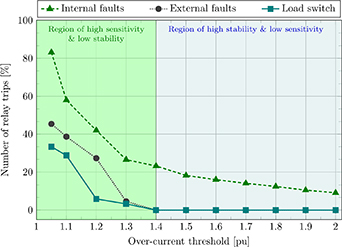
Figure 16. Performance of over-current relay for a wide range of thresholds, for faults and load switch events occurring on an SC feeder. The results include different fault types (i.e. three-phase, three-phase–ground, phase–phase, phase–phase–ground and phase–ground) as well as solid and highly resistive.
Download figure:
Standard image High-resolution imageEventually, the resulting behaviour of the SCs during electric faults, will be a high-complexity problem comprising of (a) multi-physics dynamic phenomena introduced by the SCs, and (b) a high-order control interaction of converter-interfaced resources in line with the presence of fault resistance. Undoubtedly, such a transition to a modern power grid creates an emerging need to reassess protection, fault management and control strategies paradigms (for both existing conventional and future SC-based grids). Practically, it is anticipated that new criteria and approaches will be required for a wide range of fault management solutions, to maintain a high degree of sensitivity, stability, accuracy and reliability.
Advances in science and technology to meet challenges
The following advancements can form a significant part of future solutions towards intelligent faults management of SCs in the next few decades:
AI.
A range of AI-based methods can be used to (a) discriminate between faults and other transients, (b) identify undetected faults, (c) accurately locate fault points, and (d) precisely approximate prospective fault currents. These methods require (a) DT models trained offline and/or run in real-time, and (b) efficient data exchange among devices, platforms, and databases [96, 97].
AI-based methods should be evolved in a way to include the unique electro-thermal properties and characteristics of the associated materials and relevant control systems of SCs. The development of AI-based high-fidelity DT models (capable of running in real-time), should be accompanied by some degree of standardisation—currently a missing element for SC cables. Training AI algorithms can be achieved by data emanating from simulations, laboratory experiments, or field trials and records (from normal operations, faults, and other events).
Some examples of AI-based fault diagnosis methods for SCs include the utilisation of ANNs and SVM algorithms which can form the fault detection on SCs to a binary classification problem. ANN can tackle the fault-related challenges imposed by the integration of SCs (i.e. fault detection and discrimination) due to their capability to incorporate dynamic changes in the power systems. ANNs follow time series phenomena, reveal hidden patterns, and make the search process faster. Accordingly, SVM is a supervised learning algorithm capable of dealing with complex high-dimensional data that provides an optimal solution with hyper-plane and classifies non-linearly separable data.
AI algorithms could be also utilised for fault location estimation [98]. The fault location on SCs can be formed as a regression problem using image processing techniques and spectral analysis. Particularly, the time domain signals can be transformed into the image domain, by forming the corresponding spectrograms. After the proper normalisation process, the 2D spectrograms are utilised as inputs to CNNs—a DL algorithm—for image processing. The most anticipated data-driven methods for fault location studies are CNNs, the long-short term memory RNNs—which are well-suited for regression problems to extract temporal correlation of time series data (serial correlations) and parallel dependencies—(correlations of the input feature data), S-transformer, and wavelet-transform.
Setting-less protection & smart algorithms.
In estimation-based protection, all existing measurements in the protection zone are utilised and compared to the dynamic model of the zone via a dynamic state estimation procedure that quantifies how well the measurements satisfy the mathematical model [99, 100]. This setting-less protection is independent of fault current levels, which is very important for SC systems, as well as it is independent of other protection functions. It can detect all faulty conditions including those that do not draw high fault currents (i.e. they are characterised by a high degree of sensitivity) such as when a SC goes into different quenching states. This approach requires a high-fidelity model of SCs which in this case is a multi-physics nonlinear model which needs to be entered and tested at the time of commissioning. Furthermore, this approach is applicable to local, and wide area protection, hence further improving the margins for stability and sensitivity. Overall, the estimation-based protection is the ultimate adaptive protection as its operation and performance are independent of system conditions or other protection functions.
Figure 17 presents an envisioned framework for fault management of SCs, integrating a wide range of inputs, functions, and outputs. The combination of meaningful data, together with intelligent and sophisticated SC modelling and analysis, is anticipated to deliver profound insights and indicators for reliable and efficient fault management of SCs.
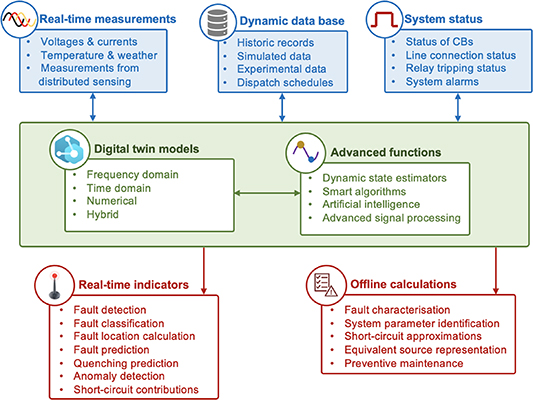
Figure 17. Envisioned framework enabling artificial intelligence and smart algorithms for fault management of superconducting cables.
Download figure:
Standard image High-resolution imageConcluding remarks
Alongside the integration of converter-interfaced resources, the gradual deployment of SCs into multi-variable and multi-physics power systems is bringing additional challenges, with fault management being one of the most prominent. In the presence of digital transformation of power grids, an envisioned framework entailing AI and smart algorithms has been presented which is capable of producing meaningful real-time indicators and informed decisions for efficient fault management and high-fidelity modelling of SCs. In the near future, the envisioned framework is anticipated to be instrumental towards the reliable and large-scale deployment of SCs.
Acknowledgments
The authors would like to thank Ms Eleni Tsotsopoulou and Dr Panagiotis Papadopoulos for their valuable insights regarding AI applications in modern power grids.
12. AI techniques for design development, modelling, and online monitoring of saturated core SFCLs
João Murta-Pina1, Nuno Vilhena1 and Guilherme Sotelo2
1 Centre of Technology and Systems—UNINOVA (CTS-UNINOVA), 2829-516 Caparica, Portugal
2 Department of Electrical Engineering, Fluminense Federal University (UFF), Niteroi, Rio de Janeiro, Brazil
Status
The determination of short-circuit levels of power grids is mandatory for establishing protection ratings and their coordination. Yet, the increasing penetration of renewable-based generation in grids, required to achieve the grid flexibility demanded by the energy transition goal [101], raises existing short-circuit levels that ultimately lead to exceeding the ratings of existing protections. Significant investments in grid reinforcement or new/updated protections are thus required. SFCLs, particularly of saturated cores type, can mitigate this problem [102], keeping short-circuit levels within limited values. This type of SFCL has been deployed already in a few power systems (figure 18). It uses a DC HTS coil to saturate iron cores, providing a variable inductance that is connected to the grid. During normal operation, the SFCL behaves as an air-core reactor due to saturation, being nearly invisible to the grid. Under a fault, current excursion leads the cores alternately in and out of saturation, providing a dynamic inductance that limits current. To comply with existing regulations, grid ratings, and distinct operation scenarios, accurate design tools for these devices are required, allowing, simultaneously, to simulate their performance in distinct grids. Real-time online monitoring and fault detection of these systems is also mandatory, as events like sudden quenches may compromise the grid operation and security of supply. Numerical techniques, namely those based on the FEM, despite being the most accurate computational tools, lead to impractical simulation times when the previous tasks are intended. AI techniques allow for the development of faster tools to address those challenges, with unprecedented reduction of computation times while keeping the required accuracy.
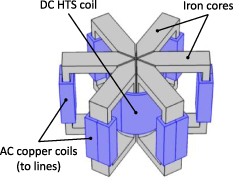
Figure 18. SFCL of saturated cores type: representation of its structure, where each phase is series connected to coils in diametric limbs, wounded in opposite directions. © [2018] IEEE. Reprinted, with permission, from [103].
Download figure:
Standard image High-resolution imageCurrent and future challenges
AI paradigms can be applied in all the lifecycle of SFCL or other devices, as depicted in figure 19, where typically data-driven, ML modelling is a core task. Models support the design stage, where multiple goals need to be addressed. This is intimately linked to simulation stages, allowing validating models, or running use case scenarios with real data. It also enables new paradigms for real-time monitoring of the operation of devices, as provided by DTs.
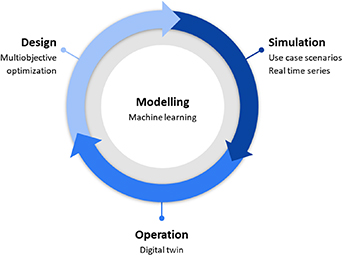
Figure 19. AI application in the full lifecycle of SFCL (as well as other engineering systems).
Download figure:
Standard image High-resolution imageMultiobjective design methodologies: one relevant challenge is the establishment of design methodologies that can simultaneously address economic goals while fulfilling the technical requirements of grid operators. The SFCL economics depends on several design factors, such as the amount of superconducting HTS tape used in the DC coil, the losses generated under faults and the associated cryogenic cooling system, or the volume of iron, among others. As mentioned, FEM packages allow defining and accurately simulating distinct designs, but they lead to unreasonable computation time if, e.g., thousands of evaluations are needed in the optimisation process.
Seamlessly integrated simulation toolboxes: being able to fully assess the operation of the device, namely its performance under grid events or the ability to address multiple faults in a short time, are mandatory aspects. For such, new simulation toolboxes, able to be seamlessly integrated with existing software packages used by grid operators, must be developed. Running co-simulations with FEM packages, if integration is possible, is again unfeasible due to the required computational effort.
SFCL online monitoring and fault detection: several technical problems may arise from the integration of SFCL in grids, such as the malfunction of the device [104] or lack of coordination with existing protections. A quench in the HTS coil may deceptively suggest a fault in the grid, causing the protections to operate. On the other hand, a grid fault may be masked by the actuation of the limiter, preventing the actuation of protections and the elimination of the fault. Enough operational information is lacking, and advanced monitoring tools for this breakthrough technology must be developed to demonstrate and assure its reliability.
Advances in science and technology to meet challenges
Multiobjective design methodologies and seamlessly integrated simulation toolboxes: metaheuristic and evolutionary strategies, such as GAs [105], have already been used to design SFCL devices by multiobjective optimisation addressing distinct design parameters while complying with technical and economic requirements [103, 106]. One such methodology relies on representing the SFCL by a reluctance-like circuit, whose characteristics depend on several parameters of the limiter. For each possible solution, the finite-differences method allows determining a first estimation of its corresponding behaviour. GA then performs a parallel search among the domain of the multiple decision variables (e.g., the number of turns of the AC coils, and the cross-section area of the DC limb) to find the best solutions. Yet, FEM simulations are needed in several steps of the optimisation process, and these do not capture all the existing complex interactions and dynamics. AI-based optimisation algorithms provide a methodology to search global optimum in a multivariable domain with a fitness function which should be minimised. Examples of such functions are the core volume, the length of HTS tape for the DC coil, the value of the first peak of the limited current, or the thermal energy released (losses) during faults.
New data-driven methodologies need to be developed, addressing power quality disturbances (e.g. current harmonics), HTS material ageing, mechanical stresses, or cryogenics performance, among many others. Surrogate models based on DL approaches are envisaged to infer patterns in data that can be incrementally generated by experiments and simulations [107, 108], mapping input-output relationships of interest and replacing or reducing the amount of required FEM runs in the optimisation design stage and/or in co-simulations when integrating the SFCL model in software packages of grid operators [109].
SFCL online monitoring and fault detection: new paradigms are being developed with applications in multiple contexts, where data from physical devices is collected to build virtual models for condition assessment and decision. One of those is the DT, where the virtual model is updated in real-time with operational data. This is an emerging concept enabled by the advent of IoT sensors (to harvest data from the physical device), BD (for analytics), and ML (for modelling) [110]. Data-driven modelling tools integrated into the DT, e.g., based on ANNs, may provide new predictive models for the online monitoring of devices in power grids. Data mining will allow supporting ANN, which is suited for the detection and classification of faults, particularly at the SFCL level. Those depend on the dynamics of several endogenic (e.g., cryogenics condition, hot spots formation) and exogenic (grid disturbances, meteorological variables) factors, and huge datasets may be generated continuously, where techniques such as Principal Component Analysis may be appropriate to reduce its dimension. Yet, little operational data is available and considerable R&D is required to allow the intended digitalisation.
Concluding remarks
Although some methodologies have already been developed for the design and simulation of SFCL, these are usually based on FEM, so full optimisation, grid simulation under realistic conditions, and real-time online condition assessment require the development of new tools that accelerate unprecedentedly those tasks. AI techniques, particularly data-driven methods, provide such tools and has been successfully applied before. Yet, reliable data, particularly operational, must be made available.
Acknowledgments
Supported by Fundação para a Ciência e a Tecnologia, Portugal, with reference UIDB/00066/2020.
13. Intelligent superconducting transformers for power network and traction-transportation applications
Mohammad Yazdani-Asrami1, Wenjuan Song1 and Zhenan Jiang2
1 Propulsion, Electrification & Superconductivity Group, James Watt School of Engineering, University of Glasgow, Glasgow G12 8QQ, United Kingdom
2 Paihau-Robinson Research Institute, Victoria University of Wellington, Lower Hutt 5046, New Zealand
Status
Conventional transformers are widely used in power systems or transportation applications (as traction transformers), and their performance greatly influences the reliability of the connected system. Although conventional transformers can reach an efficiency above 99%, many concerns still exist around their environmental footprint (CO2 emission and oil hazards), safety (risks of explosion and fire), insulation (fatigue and failure due to thermal stress), and reliability (due to produced gas in transformer oil). Superconducting transformers could address the above concerns and, in some occasions, could offer better efficiency and lighter weight and smaller size [111, 112], e.g. superconducting traction transformers (shown in figure 20) could reduce system weight by half and achieve efficiency up to 99.5% from 94% which is the typical efficiency of oil-based conventional traction transformers [113].
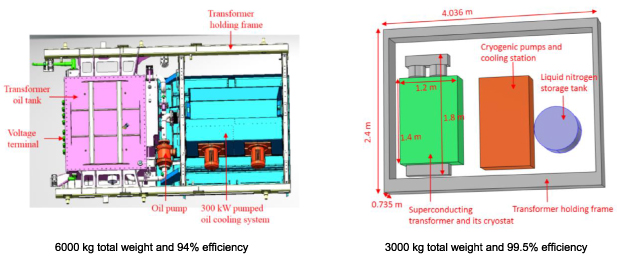
Figure 20. Comparison between a conventional and a superconducting traction transformer for Chinese Fuxing high-speed train (note that the right figure shows suggested positioning of each component for the superconducting traction transformer in the standard space (4.036 m × 2.4 m × 0.735 m)).
Download figure:
Standard image High-resolution imageCurrent and future challenges
Despite the advantages offered by superconducting transformers, some challenges need to be tackled within this decade to highlight the figure of merits of superconducting transformers against their conventional counterparts. Some of these challenges are explained as follows:
- (a)Purchasing price. Small- and medium-scale superconducting transformers are not economically competitive with conventional ones yet, mainly due to extremely high purchasing prices, including the cost of the superconducting tape/wire and cooling system. However, if the total ownership cost is considered, superconducting transformers, in some cases, would be cheaper than oil-immersed ones in the course of 35 yr of their lifetime [114].
- (b)Weight and size. Weight and size reduction are always desirable for the transportation sector, including electric aircraft and high-speed train traction systems. Accurate purpose-based sizing of transformers should be implemented to design a superconducting transformer with optimal geometry and optimised EM performance [113].
- (c)Fault tolerance performance. Superconducting transformers provide intrinsic fault current limiting function due to the multi-layer structure of coated superconductors. However, it is still vulnerable against short circuit faults longer than a couple of 100 ms without proper design, whilst a conventional one can tolerate short circuit faults for up to 2 s [115, 116].
- (d)Cooling cost. A cooling system is required to provide the cryogenic temperature for superconducting transformers, which will increase the total weight and reduce the total efficiency of the system due to its low efficiency capped by Carnot’s theory. Cryogenic cooling systems should be optimised and designed considering heat loads, operating temperature, and all other thermodynamic parameters such as pressure and flow rate if forced circulation cooling is adopted [117].
- (e)Condition monitoring. Superconducting transformers require unique condition monitoring techniques due to the fragile multi-layer conductor structure and cryogenic working environment inside the cryostat. Therefore, non-destructive intelligent techniques are required, to not only detect any inter-turn faults in superconducting windings but also detect potential hotspots in superconductors before causing any disastrous damage [118]. In addition, lifetime estimation models can be developed using AI techniques (e.g. based on ANNs) using the reliability, fault, and maintenance data, that essentially assist in better condition monitoring of superconducting transformers.
- (f)Tape/wire performance and manufacturing challenges. It is still challenging for manufacturers to produce high-performance low-cost superconductors competitive with copper/aluminium wires. Keeping high critical current uniformity over long-length and having high in-field critical current performance requires continuous improvement in manufacturing technology [119]. 2D homogeneity of the critical current density of conductors is critical to avoid hotspots and produce high-quality Roebel cables [120]. In addition, the magnetic properties of the conductor substrate influence the AC loss characteristics of the superconductors when exposed to AC magnetic fields.
Advances in science and technology to meet challenges
AI techniques could be used to tackle the design, fabrication, and manufacturing challenges of superconducting transformers, as shown in figure 21.
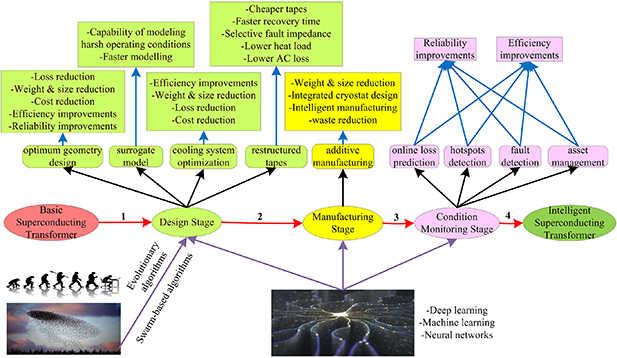
Figure 21. AI techniques can help to address challenges of superconducting transformers.
Download figure:
Standard image High-resolution imageMulti-objective AI optimisation reduces size, mass, and cost by finding the optimal geometry/design of a superconducting transformer to satisfy constraints such as AC loss, efficiency, total weight, initial price, voltage regulation, fault performance, etc. Superconducting transformer parameters, such as the size and material of the iron core, tape, coil winding, flux diverters, and cryostat can be the outcome of such optimisation problems. AI together with transformative manufacturing techniques such as additive manufacturing, will lead to rapid prototyping and efficient manufacturing, especially for the insulation, winding former, and cryostat. The optimal design of the cooling system can be achieved by solving an optimisation problem considering EM and thermodynamic parameters, such as winding heat load, heat leakage, heat transfer coefficients, pressure, LN2 flow rate, pressure drop, operating temperature, etc. The constraints could include the cooling curves of generative model (GM) and Stirling cryocoolers. The optimisation outcomes/results would be optimal values for the number and type of cold heads, pressure, and flow rate. The minimum cost or the maximum efficiency of the cooling system could be obtained as well. For such optimisation problems, meta-heuristic algorithms, evolutionary algorithms, or bio-inspired techniques can be used, including particle swarm optimisation, grey wolf optimisation, and firefly optimisation, among others.
Fault and recovery performances of superconducting transformers can be dramatically improved by a multi-objective optimisation problem to find the optimal thickness, and best material composition of different layers (substrate, superconductor, buffers, and stabiliser layers) to meet a specific fault impedance. Note that the electro-thermal parameters of each material candidate are temperature and magnetic field dependent. AI is able to consider all these interdependencies simultaneously. Constraints can be specific heat transfer, desired fault impedance, specified recovery time, and cost. Meta-heuristic algorithms as mentioned above, are the best option for such a study.
Non-destructive condition monitoring methods for superconducting transformers must be developed in the near future to detect inter-turn faults, hot spots, and deformation in windings. Traditional relay-based protection systems are sensitive to large external short circuit currents but cannot detect inter-turn faults for superconducting transformers in the early stages of fault development and this can be catastrophic if the fault lasts long. AI techniques can detect inter-turn faults in a superconducting winding by comparing the time and/or frequency domain data of some faulty and healthy samples of transformer current. Fibre optic sensor is currently used to detect hot spots of superconducting windings, which its implementation adds the complexity of the winding assembly process and changes the heat transfer of LN2 near the winding. AI techniques can detect the hot spot by analysing the current and voltage waveforms of the windings. Sufficient experimental data on the critical current of an intentionally damaged tape are necessary. This is a classification and clustering task for AI techniques, which can be done through different ML approaches. In addition, if real-time detection is desired, DL approaches which use CNNs can be used as very efficient options.
Intelligent simulation models of superconducting transformers can be established based on surrogate or meta-modelling methods. The existing modelling/simulation is performed through analytical, equivalent circuit-based, or FE-based models that are incapable of offering real-time analysis. AI-based meta-models composed of multilayer NNs could achieve fast computation and acceptable accuracy compared to other models. For instance, once a meta-model of a transformer is established, online AC loss estimation/prediction is accessed by logging the input current and voltage of windings. Any drastic drift of AC loss from the base value would indicate an anomaly in transformer winding, e.g. early quench, hot spot, critical current degradation, etc.
Real-time intelligent quality monitoring of superconductor production lines can be designed to analyse the output data of the sensors. ML and image processing techniques will help find important parameters to produce superconducting tape/wire with high uniformity of critical current density along the length. ML methods can be adopted to predict the critical temperature of new superconductors.
Concluding remarks
AI techniques can address and tackle the challenges that a superconducting transformer is confronted with, i.e. purchasing price, weight and size, fault tolerance performance, cooling cost, condition monitoring, and tape performance and manufacturing challenges. The opportunities offered by AI can lead to producing a smart superconducting transformer in the next decades. Many AI techniques including those of heuristic and meta-heuristic optimisation algorithms, ANNs, deep NNs, etc can be used to address the aforementioned challenges.
Acknowledgments
This work was supported in part by the New Zealand Ministry of Business, Innovation and Employment (MBIE) by the Strategic Science Investment Fund ‘‘Advanced Energy Technology Platforms’’ under Contract RTVU2004.
Networking support provided by the European Cooperation in Science and Technology, COST Action CA19108 (Hi-SCALE) is acknowledged.
14. AI and BD for improvement of the manufacturing process of superconductors
Veit Große
THEVA Dünnschichttechnik GmbH, Ismaning, Germany
Status
The industrial production of second-generation (2G) HTS tapes began with key technological developments in the 2000s. The first pilot lines with relevant throughput were established in the 2010s. Today, there are about seven companies worldwide that have production capacities in the range of 100–300 km or are in the process of scaling up to 1000 km yr−1 (e.g., the production line of THEVA in figure 22). With the installation of these production capacities and continuous improvements in the manufacturing processes, the manufacturing costs have been reduced from several 100 $ m−1 to less than 50 $ m−1 for 12 mm wide tapes. At the same time, the average current carrying capacity has increased. Today, HTS tapes with a critical current of 400–600 A cm−1-width at 77 K, self-field are offered as a standard. This means that the manufacturing costs in relation to the current-carrying capacity are considerably less than 100 $ kAm−1. Despite this very encouraging development, the total cost of many applications of HTSs is still dominated by the price of the tape. It is expected that most applications only become economically viable at a price of less than 30 $ kAm−1.
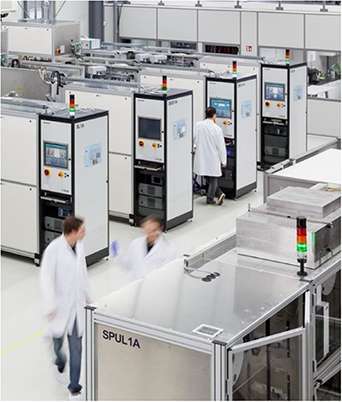
Figure 22. View into the pilot production of THEVA Dünnschichttechnik GmbH.
Download figure:
Standard image High-resolution imageEven though the degree of automation varies in the different production lines, a large amount of process data is recorded in-line in most lines. It is used to monitor and partly control the coating processes [121, 122]. Almost all manufacturers use in-line tools such as the TapeStar XL to determine the critical current and other quality parameters of the finished product. Further data on the properties of the individual layers are collected in random tests during regular quality inspection. However, a comprehensive evaluation of this already gathered data to gain new insights is rather a rarity today.
Current and future challenges
Many applications of HTS tapes are technically superior to their conventional counterparts. Other applications are even only made possible by high-temperature superconductivity. Among these are SCs and busbars [21, 123, 124], fusion reactors [125, 126] as well as motors and generators [1, 14]. However, all these applications are to a large extent not economically viable due to the high cost of the HTS tape. A major challenge for the HTS industry is therefore to reduce the manufacturing costs of the tape and thus make its application economically feasible.
To a large extent, this can be achieved by scaling up production capacities combined with an increase in the degree of automation. However, this is associated with high investments that cannot be covered by today’s realisable sales.
An important lever to significantly reduce manufacturing costs, however, is the production yield. The yield for HTS tapes is a function of the tape length and the critical current demanded by the customer. Over hundreds of metres, a near-perfect crystallographic structure must be maintained to ensure high and homogeneous critical currents. Variations in the process parameters, the properties of the material batches used and, to some extent, the environmental conditions in production can affect the current carrying capacity of the conductor overall or locally. If those variations in the critical current or other quality parameters fail the requirements of the customer, the yield is reduced.
To keep production yields high, it is necessary to know exactly the effect of variations in the process parameters and to have direct control to keep them in their optimal range. Given a large number of influencing factors, this can hardly be achieved within the scope of normal development activities. Also, tests to determine these dependencies are very expensive. Just verifying process capability for a limited number of parameters with a representative number of tapes can easily cost several hundred thousand dollars. Influences of parameters of previous manufacturing steps or material batches often cannot even be detected in such development campaigns.
Advances in science and technology to meet challenges
The use and evaluation of these enormous amounts of data that have been acquired in production over the years can provide important insights into fundamental dependencies that usually remain hidden during development campaigns. Even using simple methods of data analysis, such as regression analysis, correlations of the quality parameters from the entire production chain can be established. Even with the typically small variations of the influencing factors in production, important trends for quality improvement can be discovered. By using classification methods, entire parameter sets producing high-performance HTS tapes can be identified and clearly distinguished from parameter sets that yield low quality.
The complexity of the data analysis due to a large number of existing parameters can also be reduced by employing suitable methods to reduce the dimensionality. Principal component analysis, for example, allows the variation in quality parameters to be traced back to a comparatively small number of factors or components.
A major advantage of the information obtained from sophisticated data analysis is that it is based on a large number of data points and therefore its statistical significance is much greater than that of individual trials. Prediction models based on this data are therefore much more reliable, which in the long run also increases the quality and yield in production. In addition, the data can be used to define tolerance ranges for key influencing factors and thus identify problems at an early stage before they lead to quality defects in the finished product.
The application of AI can also contribute significantly to cutting production costs. Deep NNs can automatically recognise patterns that later lead to defects in the product. One classic example is image recognition and classification using CNNs. CNNs are not only able to reliably detect defect structures on the HTS tape but also help to classify and evaluate them (as shown in figure 23). The human factor in quality assessment is thus eliminated and the labour for quality inspections is minimised. In addition, information obtained in this way can be processed to generate statistics on the occurrence of certain defect categories, which are valuable in quality assurance. Furthermore, NNs can be trained to evaluate data from various sensors to predict the failure of manufacturing equipment. The often quite expensive preventive approach to maintenance can be replaced by a more predictive approach while avoiding failures during production processes.
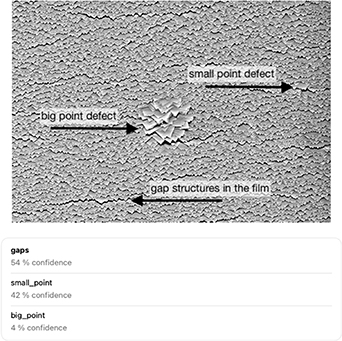
Figure 23. With the help of convolutional neural networks, quality defects can not only be detected automatically, but also classified without the subjective judgement of a human affecting the result. In this SEM image three different types of defects have been identified.
Download figure:
Standard image High-resolution imageThe architecture of the layers in HTS coated conductors can be subjected to a single- or multi-objective optimisation study to produce tapes with specific features for specific projects or applications. For example, materials widths and thicknesses of the substrate, superconductor, buffers, and stabiliser layers can be considered as variables to maximise or minimise outputs such as cost of production, tape price, or reaching specific technical requirements such as AC loss values, impedance, recovery time after fault, etc [12].
Concluding remarks
In today’s HTS tape production, there is still an enormous potential to reduce costs simply by making efficient use of the data that is already generated in production. As demonstrated in this article, development costs can be significantly reduced by exploiting the potential of sophisticated data analysis. Valuable information can be obtained to set priorities for development. Often, development campaigns can be saved completely, as essential dependencies can be extracted from the data with high statistical significance.
In addition, as has already been shown in many other industries, AI and data analysis can be applied to automate quality inspection to a large extent. In this way, effective and cost-efficient quality assurance can be established that ensures high yields in production.
15. AI applied to the development of superconducting wires with enhanced electro-mechanical properties
Tommaso Bagni, Diego Mauro and Carmine Senatore
Department of Quantum Matter Physics, University of Geneva, Geneva, Switzerland
Status
Superconducting magnets are made of superconducting wires or cables winded to form a coil. There are multiple magnet applications with different designs, but a constant is the requirement for higher magnetic fields to increase: the power density in fusion reactors; the energy of a collider for HEP; the resolution in MRI or nuclear magnetic resonance. A higher field implies higher operating currents, and because of high current and high magnetic field, the conductor ends up being under extreme electromagnetic loads. Therefore, the limiting factor in magnet design is not only the critical current of the superconductor but also the mechanical tolerance of the wire, which requires constant improvement in both material technology and wire design. For example, to design new Nb3Sn dipole magnets capable of operating at 16 T, CERN has launched the Conductor Development Program for the FCC [127]. This program is driving the worldwide effort to develop new high-performance Nb3Sn wires improving the wire critical current density (Jc) above 1500 A mm−2, and at the same time increasing the wire stress limit above 200 MPa. The latter aspect is particularly important because Nb3Sn brittleness is already posing problems in other accelerator magnet developments.
Current and future challenges
Magnets are designed using sophisticated multi-physics FE models that include electrical, mechanical, and thermal properties of the superconducting wire or cable [128]. The limit of these simulations is that superconducting wires, which are composite materials made of superconducting filaments embedded in a metallic matrix, are modelled as homogeneous materials with properties averaged over the cross-section and across the entire length. This approximation has the drawback of not fully capturing the real properties of the wire, and thus represents a limitation when optimising the magnet designs. Guided by the practical need of making efficient use of the superconductor while coping with large EM stresses, it is becoming essential to improve FE models by reproducing the internal characteristics of wires, and this requires the creation of new methods to map and reconstruct their internal structures. Nevertheless, increasing the accuracy of the FE models needs the benchmark of dedicated experiments able to reproduce the magnet operating conditions [129].
This approach was applied to investigate the correlation between the wire microstructural features and the irreversible degradation of Jc under axial loads for Nb3Sn wires produced by the bronze route [130]. X-ray micro-tomography was used to map the wire internal structures, including the Kirkendall voids formed during the reaction heat treatment (RHT). Finally, the distribution of the voids was implemented in a mechanical FE model to quantify the role of voids in the reduction of the electro-mechanical limits.
These studies based on the identification of specific features in wire images represent the ideal playground for AI techniques, thanks to the impressive advancements reached recently in object detection [131]. In particular, micro-tomography can be easily combined with ML and ANNs tools to reconstruct the internal structures of wires and also provide new insights for the improvement of their performance.
Advances in science and technology to meet challenges
One of the breakthroughs of AI is the use of ANNs for computer vision applications, and the development of the next generation of superconducting wires could greatly benefit from this advancement. Presently, when optimising the design of a superconducting wire, the consequences on its microstructure after reaction are disregarded. This can be attributed to the difficulties of analysing the internal structure and to the lack of ability to systematically process large amounts of data. The former challenge can be addressed by x-ray micro-tomography. The latter issue can be solved by the ability of AI to process large quantities of data in a fast and reliable way. In addition, the possibility of analysing images with high precision of AI techniques will allow to highlight the presence of defects or deformations which can be responsible for decreasing the wire’s mechanical, electrical or thermal performances. The ANNs learn by processing examples and forming an association between inputs and outputs, and the large amount of data generated by tomography is the ideal condition for training an ANN. Among the ANNs, the CNNs have proven to be effective for medical images analysis, and among different variants of CNNs, U-Net is recommended for components detection because of the high precision reached in the segmentation even with few training images with, moreover, the capability to operate in both 2D and 3D [132].
In the future, both ML and ANN will be applied to tackle different issues in various wire materials and technologies to improve wire performances, such as:
- Nb3Sn: during the RHT of the wires, the formation of the Nb–Sn phase generates Kirkendall voids, which cause a degradation of the microstructural homogeneity and act as stress concentrators and nucleation points for cracks initiation. For this reason, the voids need to be considered in a wire mechanical FE model to reproduce the wire properties, faithfully. ML and CNN can detect and separate the voids from the other components allowing the 3D reconstruction of the wire’s internal structures (see figure 24) [133, 134].Another CNN potential application is by detecting sub-elements barriers failures. Barriers are used to avoid tin pollution in the high-purity copper stabiliser during the RHT. Barrier failures can generate Kirkendall voids crossing the barrier which a CNN is capable of recognising facilitating the improvement of the wire design (see figure 25).
- Bi2212 (Bi2Sr2Ca1Cu2Ox): it is the only HTS available in the form of round wire, which simplifies the cabling and winding of the coils. During the RHT, Bi2212 wires can be subjected to filament bridging. The merging of the filaments causes a reduction of the critical current and an increase in the effective filament diameter [135]. ML or ANN can map the filaments bridges allowing them to guide the optimisation of the RHT conditions. In this case, images are not necessarily tomographic scans; quantitative information can also be extracted from simple wire cross-sections.
- MgB2 : it is an intermetallic compound that can be produced in the form of multifilamentary round wires. During the RHT of in-situ MgB2 wires, voids are generated from the reaction of Mg and B, and are detrimental to electrical connectivity, and thus wire critical current, and mechanical limits [136]. The map of the internal components can be used to provide indications on how to tailor the void distribution by optimising the RHT conditions.
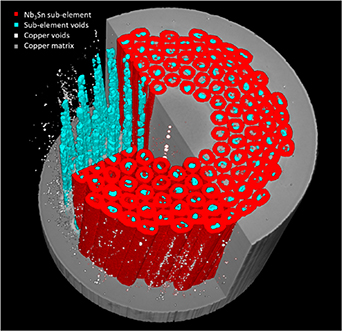
Figure 24. 3D reconstruction of an Nb3Sn wire. Unsupervised machine learning was applied to the wire tomographic images to separate the different wire components, i.e. sub-elements, voids and copper matrix [133].
Download figure:
Standard image High-resolution image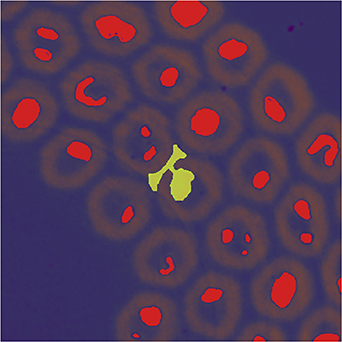
Figure 25. Sub-element barrier failure in a Restacked-Rod-Process Nb3Sn wire detected by U-Net. U-Net can separate sub-elements voids (in red) from voids generated by barrier leakages (in yellow).
Download figure:
Standard image High-resolution imageConcluding remarks
Magnet applications are demanding for higher magnetic field levels. Continuous developments in superconducting wire technology are therefore crucial to reach the required electrical and mechanical capabilities. The improvement of conductors can be achieved by broadening the understanding of internal wire structures and using it to guide wire design and optimisation. When combined with techniques capable of mapping the wire’s internal characteristics, such as x-ray micro-tomography, AI can significantly contribute to achieve this goal. In particular, AI can detect and separate the different wire components, unlocking the possibility of using the real geometry of the wire as input in the FE models. Moreover, properly trained ANNs can recognise specific wire characteristics and detect them among thousands of images. Such capability allows addressing and quantifying the impact of specific issues in the existing wire technology and, more generally, providing new paths for wire development.
Acknowledgments
Financial support was provided by the Swiss National Science Foundation (Grant No. 200021_184940).
The research was also supported by the European Synchrotron Radiation Facility (Grant No. MA-2767).
16. Implementation of AI and BD techniques in future large scale 2G HTS tape production: SuperOx perspective
Alexey Mankevich1, Vadim Amelichev1 and Sergey Samoilenkov2
1 S-Innovations, Moscow, Russia
2 SuperOx, Moscow, Russia
Status
HTS tapes are enabling materials for many disruptive technologies such as compact nuclear fusion [119], fault current limiters [137], future cryo-electrified aircraft [14], energy-efficient railway [138] and data centres [139], among others. The availability of affordable high-quality HTS tapes is absolutely vital for realising these technologies. In other words, the essential elements of future success are large scale and low-cost productions of HTS tapes. However, the task to increase the production of HTS tapes is everything else but simple. Sophisticated multi-stage production processes, very complex nano-scale defect landscapes and multi-element oxide chemistry make the production of HTS tapes an extremely competence-intensive endeavour [140]. Simply increasing the number of today’s production lines will not do the job unless the highly skilled professionals operating these machines are multiplied accordingly. We came to a point where new digital technologies using BD, and AI, may prove effective to make a leap to a new level of quality and price at a very large production scale. From the producer’s perspective, we, at S-Innovation of SuperOx, have recognised the potential of new digital tools equipped with machine intelligence and have already started to use some of them in routine production processes a few years ago. As it seems, there are at least two different directions for AI techniques and tools concerning HTS tape production: process control with the help of in-situ digital tools and process development with AI helping to proactively optimise processing conditions. Process control is more straightforward and is being already used while using AI for process development is still a largely ongoing activity. By 2022, we have introduced automatic image processing in various stages of our production (each day, up to 0.5 million images are being collected and processed) and began to create BD production analytics (our production database contains 100s of relevant process parameters and quality metrics of nearly each HTS tape produced since 2019). The result of this effort should be a scalable production process with less human control, and yet higher quality and product yield.
Current and future challenges
The superconducting layer in an HTS tape is typically less than 3 μm thick, while a typical tape length is 300 m [141]. With the aspect ratio of HTS material of about 108, minor disturbances in the production process can cause a detrimental disruption of HTS layer continuity. To ensure product quality, defects need to be strictly located, reasons analysed and countermeasures taken. HTS tapes production consists of multiple processes which can introduce defects: chemical treatment, vacuum deposition of layers, annealing, slitting, etc. Most of these defects are visible to the naked eye. As it is very costly to examine kilometres of tape surface daily, we have developed a quality control instrument based on in-situ tape surface image processing that allows us to find most of the contrast defects, but cannot specify the defect type [121].
Recently, we have significantly upgraded the method. Different production steps were equipped with high-resolution cameras filming tape surfaces as they moved along. Currently, a tape image consists of multiple 16 mm long frames. Based on a daily production rate of 2.7 km per day (1000 km yr−1), each camera collects about 170 000 frames every day. Provided this type of control is used in the three most critical technological stages like electro-polishing, buffer stack and HTS layer deposition, more than half a million daily images with a total raster of more than 260 000 megapixels will be produced, requiring 50 GB of storage space. Storing this amount of graph data is impractical and costly, thus data flow is immediately processed and converted to a data log with information on defect type, area and location. As a first step, we have developed an image post-processing system based on a NN approach. Surface defects (see figure 26) are initially analysed by a human and are assigned into various categories for further ML analysis. To date, our NN-based technique can locate and specify the defect type with at least 90% accuracy.
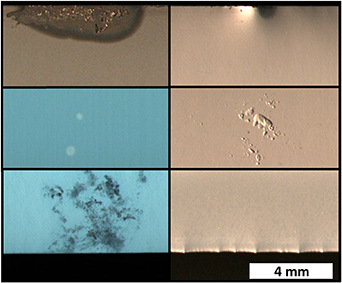
Figure 26. Typical defects, detected optically in various steps of HTS tape production. These defects are extremely detrimental for tape quality and directly affect the product economics. Future challenge is based on effective use of neural networks to detect these defects in-situ and mitigate their appearance by proper closed-loop process control.
Download figure:
Standard image High-resolution imageThe scheme of the current system is given in figure 27. This relatively simple technique reduced our need by at least six full-time production jobs. At the same time, the instrument increased our process understanding and troubleshooting. Further development of our NN-based technique will allow us to have in-situ process control and will provide immediate feedback with minimum human resources involved. The approach can be easily scaled up with further production increases. In addition, the AI image processing technology can be applied to other characterisation methods including RHEED diffraction of MgO IBAD buffer layers [142], plasma control in magnetron sputtering processes [143], and others. In nearest future, the SuperOx group plans to use it in virtually every production step.
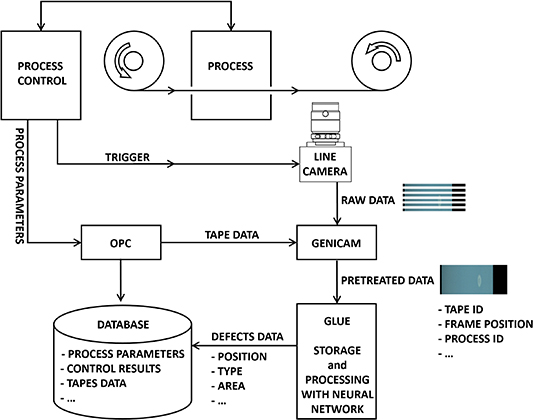
Figure 27. The scheme of optical control system built for neural network analysis of HTS tape surface quality.
Download figure:
Standard image High-resolution imageAdvances in science and technology to meet challenges
Often, a producer has access to process parameters (pressure, temperature, growth rate, to name a few) and quality metrics (critical current) of HTS tape as a function of its coordinate. Usually, these data are neither collected nor used for further process development. AI-enabled technologies possess an enormous hidden potential here. In this section, we present our view on how this approach should be realised.
First, all relevant process and quality parameters are accumulated in the database with the assignment of HTS tape coordinates along the length and/or width. Second, ML algorithms construct a regression model out of collected data and range process parameters in the relevant order, based on the degree of their influence on product quality. Finally, statistical data processing refines optimal technological parameters in the search for higher product quality. If implemented, such a digital system will adjust production conditions based on the complex analysis of 100s of parameters, being able to predict where the optimal set of conditions will move next. It is important to note that HTS tape quality is a function of many difficult-to-measure conditions, such as the ageing of production equipment (e.g. changing the reflection coefficient of vacuum chambers with time), varying vacuum leaks, unexpected variations in raw material quality, etc. Today, this uncertainty gap limits HTS tape quality and yield, but AI techniques should help to solve this problem efficiently.
Recently, we have started to build such a system around our HTS production. To date, the system collects data from all production equipment and quality control items into a single database. We collect and store more than 9000 records per each metre of HTS tape produced. The ML software module processes this dataset and plots a partial dependency graph with recommendations on further adjustment of processing parameters.
The ultimate goal is real-time process development via AI-controlled auto-tuning of process conditions. To do so, the AI system should be able to detect quality-relevant changes in a technological environment and provide calibrated influence to process controls. Still, a lot of challenges remain. For example, a proper model for regression analysis should be found for each production step—based on its performance in real production conditions. Accumulation of BD, correct position assignment and data quality are further important challenges. Finally, a lot of data needs to be properly processed to reduce the amount of data storage volume. To give a scale, it takes 25 million data points per day even with a modest production level of 1000 km of HTS tape per year. Thus, optimal volume management of data is very important in itself.
As we are obviously at the very beginning of this path today, further development could require the application of more complex techniques like DL. The further direction will become clearer after enough data are collected in the existing database and statistically meaningful experience of using ML software will be obtained and evaluated. We are looking forward to keeping reporting these results in future.
Concluding remarks
With the HTS production process being very sophisticated and multi-parametric, it is unlikely that extremely stable technology with wide process windows will emerge or that human control will prove to be any viable route for truly large-scale production in the 2020s. From an HTS tape producer’s perspective, we rather look for new digital technologies to open the way to cheaper and better HTS tape. Moreover, our assessment is that the turning point is now, it is today, when advanced tools like BD, NNs and AI should be integrated into the process development and control to enable further technological success.
Acknowledgments
A part of this work was supported by the Russian National Technology Initiative Foundation (Grant ID 0000000007418QR20002).
17. Exploration of an extended Hubbard model for high-Tc superconductivity in cuprates via ML approaches
Yoon Tiem Leong
School of Physics, Universiti Sains Malaysia, 11800 USM, Penang, Malaysia
Status
High-Tc superconductivity (HTCS) in cuprates is one of the most profound physics problems since 1986. The strong electronic correlations, which are intrinsically a quantum many-body (QMB) effect, responsible for the superconducting, pseudo-gap, and other measured phases in unconventional HTCS cuprates remain an unresolved problem in condensed matter physics to date. This is famously known as the ‘HTCS conundrum’ [144]. There has not been a consensus on a convincing model that can provide a consistent explanation for all experimentally measured aspects related to HTCS in cuprates. Arriving at a working theoretical model for resolving the conundrum in HTCS constitutes one of the ‘Holy Grails’ in condensed matter physics. Apart from arriving at the right theoretical model, the other major challenge concerns the difficult task of solving these many-body physics models which are, generically, computationally expensive if not practically formidable. Specifically, the classification of quantum phases in a generic QMB model Hamiltonian with existing, conventional computational approaches is known to be particularly expensive computationally.
The call for a falsifiable model that is simple, physically well-motivated, predictive, admitting no exotic contrivance, theoretically consistent, and can provide a holistic solution to the HTCS conundrum is clearly desirable. Constructing and probing the physics of such models should be part of the concerted effort for solving the HTCS conundrum. Falsifying a specific model against experimental observations narrows down the possible ‘phase space’ of possible explanations or mechanisms as a viable explanation to the conundrum. It serves the benefit of feedback that hints at the direction in which we should be heading or avoiding. On the other hand, if verified, such a solution shall become the reference model for understanding the structure of HTCS in cuprates. The knowledge of the mechanism occurring at the atomic level giving rise to the emergence or disappearance of HTCS phases in the cuprates has practical significance, i.e. it can pave the way to the exciting possibility of engineering materials at the atomistic level to achieve optimised high-Tc superconductors.
Current and future challenges
Models for unconventional HTCS generically involve QMB effects. Quantum many-body problems (QMPs) are known to be computationally daunting due to the nontrivial correlations encoded in the exponential complexity of the many-body wave function [145]. An exponential amount of information is needed to fully encode a generic many-body quantum state, rendering reliable numerical solutions for the ground state technically difficult to come by. Conventionally, many-body calculations are performed through highly sophisticated computational methods with some extent of approximations, such as quantum Monte Carlo (QMC) methods, density matrix renormalisation group [146], matrix product states [147], tensor networks and general tensor networks [148]. However, there are many instances where these conventional approaches converge poorly due to, e.g. the Fermion sign problem or the inefficiency in handling the exponentially huge degree of freedom inherent in these systems. Fundamentally, the quandary in QMP lies in the failure of finding a general strategy to reduce the exponential complexity of the full many-body wave function down to its most essential features. This is known as the ‘curse of dimensionality’ [149]. The 2D Hubbard model, a prototype QMB theory, provides a working model that captures some if not all essential features in copper-oxide superconductors. Mainly due to the inherent sign problem, the 2D Hubbard model remains a daunting model to be completely solved despite relentless computational efforts spent for so many years to abstract the embedded physics responsible for the HTCS in cuprates. Heroic efforts had attempted to obtain the ground state of the prototype 2D Hubbard model using state-of-the-art, but non- ML, computational methods. These include, e.g. an auxiliary field QMC, density matrix renormalisation group, density matrix embedding, infinite projected entangled pair states [150] and dynamical cluster approximation [151] which attempt to map out the quantum phases along with other physical insights, e.g. the transition temperatures as a function of the dopant concentration, in the 2D Hubbard model. It is well known that these non-ML-inspired approaches are highly expensive and expert-knowledge demanding. Even after many years of advancement in computational physics, dealing with QMP using non-ML numerical approaches has not become tremendously simplified.
Advances in science and technology to meet challenges
ML is a powerful tool for solving QMP. It can classify, identify, and interpret massive data sets, hence is ideal for handling exponentially large data sets embodied in the state space of a QMB system. The pioneering works [145] have achieved phase classification and transitions in selected QMB using a restricted Boltzmann machine (RBM) without knowing a priori the boundary of the phases. The key ingredient was the effectiveness of RBM to compress the information of the many-body wave function in high-dimensional systems into the NN representing them, tremendously reducing the dimensionality to represent the QMP. The computational cost was reduced by many orders of magnitude. The approach also probes into parametric regions that are otherwise not possible using conventional numerical approaches per se.
A relatively conservative, non-exotic but physically well-motivated mechanism for modelling HTCS in cuprates was proposed in [152], the extended Hubbard model (EHM). The EHM is an extended version of the 2D Hubbard model and admits additional terms for the lattice–electron interactions induced by the  mode. By construct, the EHM has a built-in structure to accommodate the superconducting and pseudogap phases to a common origin, namely, a Jahn–Teller type interaction induced by an electron interacting with a nonlinear
  mode of the oxygen clusters in the CuO2 plane. The gap function and extended terms embedded in the EHM in principle allow specific prediction of
  and the emergence of the pseudogap phase [152]. Figure 28 shows an example of the contour plot of approximated gap function as predicted by the EHM in the 1BZ using a conventional numerical approach. It is technically feasible to probe the quantum phases and their transitions driven by the parameters in the EHM using a similar ML technique [145]. The phases embedded in the EMH can be identified by first systematically generating a labelled dataset of the EMH Hamiltonian using e.g. auxiliary field QMC [153]. A NN is then trained in the manner of [145] to ‘predict’ the phase of never-been-seen-before configurations. A satisfactorily trained and sufficiently accurate NN representation can then be used to systematically map out the phases embedded in the EHM. The predicted phases by the trained NN should be verified against those obtained via ‘conventional’ approaches e.g. [150, 151].
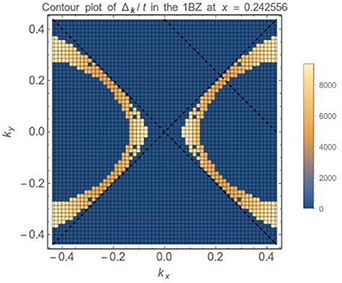
Figure 28. An example of the contour plot of the approximated gap function  as predicted by the EHM (a quantum many-body model) in the 1BZ using a conventional numerical approach. Machine learning offers a promising and potentially superior alternative to probe the physics embedded in such models.
Download figure:
Standard image High-resolution imageConcluding remarks
QMB theories for HTCS are generally plagued by the curse of dimensionality and/or Fermion sign problem despite the advancement of many powerful (conventional) computational methods. Recently RBM has showcased successful amelioration of these formidable numerical hindrances in selected Hubbard-like models with QMC simulations. EHM is an extended Hubbard-like QMB model that embeds the necessary ingredients to explain the pseudogap and superconductivity phases in cuprates in a unified manner, and without introducing exotic physics. ML techniques can be generalised and applied to the EHM for solving the embedded MB physics relevant to the superconducting, pseudogap and other phases seen in cuprates. It is anticipated that such an approach could allow the interplay between the many-body effects and phases embedded in the EHM to be revealed, providing a possible solution to the cuprates HTCS conundrum. With the capability of ameliorating the sign problem and curse of dimensionality, ML offers a promising tool to probe into previously (almost) inaccessible gold mine of QMB models. How the search for the solution to the HTSC conundrum with the new tool will play out is strongly anticipated.
Acknowledgments
This short writing is dedicated to the late B S Lee, the original creator of the EHM model, who has aspired in the latter part of his life to solve the HTCS conundrum.
18. Data-science enabled discovery of superconductors
Yao Wang1, Renato P Camata2 and Cheng-Chien Chen2
1 Department of Physics and Astronomy, Clemson University, Clemson, SC 29631, United States of America
2 Department of Physics, University of Alabama at Birmingham, Birmingham, AL 35294, United States of America
Status
Recent years have witnessed tremendous breakthroughs in achieving record-high superconducting transition (critical) temperature Tc in high-pressure hydrides, which exhibit high Debye temperature and strong electron–phonon coupling for good conventional phonon-mediated superconductors. First-principles density functional theory (DFT) and crystal structure prediction (CSP) have played important roles in discovering high-Tc hydrides. For example, the ‘clathrate’ structure of LaH10 (Tc ∼ 260 K at 190 GPa) was predicted first by DFT and CSP [154, 155], and later confirmed experimentally. For practical applications, it would be crucial to discover new room-temperature superconductors at reduced pressure. To date, most binary hydrides have been investigated using these computational methods, and it is timely to explore doped and ternary (or even quaternary) hydrides. However, first-principles structure predictions are challenging in these systems, due to large unit cells and huge search phase space. Data-driven ML approaches can be promising and powerful tools to largely expedite the process of predicting new crystal structures and modelling their electron–phonon properties for estimating the Tc.
At ambient pressure, the cuprate superconductors are the record holders of Tc, but their unconventional superconductivity remains one of the greatest mysteries. Due to the parent magnetic insulating state and the d-wave pairing symmetry in the cuprate phase diagram, it has been assessed that the strong correlation effect of d-orbital electrons is the primary reason for a high Tc, and the system is usually described by Hubbard-type Hamiltonians. Prominent spin fluctuations caused by correlation effects act as the pairing glue of the correct symmetry. This mechanism has been demonstrated in a quasi-one-dimensional Hubbard model [156]. In two spatial dimensions, the mechanism is not yet fully established, as no exact numerical solutions are available. More recently, experimental evidence about other coexisting degrees of freedom, such as phonons, has been revealed by spectral measurements. For example, it is shown that interfacial electron–phonon coupling can be applied to enhance the Tc of FeSe [157], which is another type of unconventional superconductor. The interplay between electron correlation and phonon degrees of freedom might hold the key to unlocking the mystery of high-Tc unconventional superconductivity.
Current and future challenges
The Eliashberg theory provides a quantitative tool to estimate the superconducting Tc in phonon-mediated superconductors. A key quantity in the theory is the Eliashberg spectral function α2F(ω) for computing the electron–phonon coupling parameter λ. Once λ is known, Tc can be estimated with reasonable accuracy by analytical expressions such as the McMillan or Allen–Dynes formula (obtained by fitting to numerical solutions of the Eliashberg equations). The function α2F(ω) can be obtained from tunnelling experiments or computed from first principles. However, phonon calculations from DFT or ab initio molecular dynamics remain computationally expensive, and they require the knowledge of stable crystal structures at a given pressure. For a priori unknown structure, CSP aiming at finding stable structures knowing only the chemical composition (and the pre-specified number of atoms in the unit cell) can be performed, using e.g. particle swarm optimisation or evolutionary algorithms. In the actual implementation, CSP usually begins with randomly generated structures or user-provided seed structures. Some unlikely structures of extremely small bond angles or unphysically short bond lengths can be directly eliminated during the optimisation to speed up the search process. However, thousands of time-consuming DFT structure relaxations are still needed in a typical CSP calculation. Therefore, to achieve large-scale computational predictions of new potential Bardeen–Cooper–Schrieffer (BCS) superconductors with higher-Tc at reduced pressure, the challenges would be to efficiently generate stable structures and model their electron–phonon properties from first principles.
For unconventional superconductors, the presence of strong correlation effects and intertwined orders hinders a comprehensive characterisation of the collective excitations. While experimental synthesis and characterisation techniques have been substantially advanced, one of the major challenges lies in the lack of accurate simulation tools for model Hamiltonians to address their properties in the thermodynamic limit. On one hand, DFT-based methods without static correlations usually fail to properly capture the electronic structures of correlated materials. On the other hand, unbiased solutions via wavefunction-based or QMC approaches are restricted to small clusters or relatively high temperatures. The challenge is even more severe when both correlation and non-perturbative electron–phonon coupling have to be considered simultaneously [158].
Advances in science and technology to meet challenges
Data-driven approaches are becoming powerful tools for materials modelling and discovery. The advances are due to the availability of materials databases, progress in computer architectures, and the development of ML algorithms. In principle, NNs can bypass manual feature creations, thereby being suitable for large-scale materials prediction. It has been shown recently that the phonon density of states (DOSs) can be predicted by Euclidean NNs (which capture full crystal symmetry), using only atomic species and positions as input [159]; the training is based on a DFT phonon database of ∼1500 examples with over 64 atom types. Therefore, it is expected that the Eliashberg spectral function α2F(ω) (which is closely related to the phonon DOS) can be machine learned as well, once a suitable DFT or experimental database is available. Moreover, GMs are promising new approaches to expedite structure prediction. GMs can learn the distribution of a dataset, and then sample new structures from the learned distribution. An example is a VAE consisting of two NNs, an encoder and a decoder. As shown in figure 29, the encoder maps data points (e.g. a crystal structure) to a low-dimensional continuous vector space (the latent space), and the decoder maps latent vectors back to data points. VAE using invertible image-based representation can reconstruct experimentally known materials, and create new structures synthesizable thermodynamically [160]. The materials created from GMs also can be utilised as seed structures in other CSP techniques. Together with the development of other DL algorithms such as graph and CNNs [161], large-scale materials discovery with image-based tasks can be substantially advanced in the future.
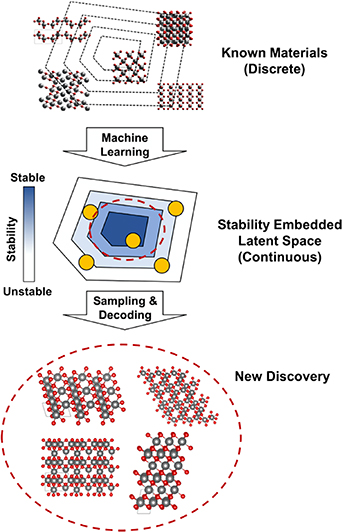
Figure 29. Schematic of materials discovery using generative models. The framework first learns a continuous representation of materials (the latent space) from a discrete space of known materials, and then builds a model for new discovery using a decoder to map latent space vectors back to crystal structures. Reprinted from [160], Copyright (2019), with permission from Elsevier.
Download figure:
Standard image High-resolution imageTo overcome the experimental challenges in characterising unconventional superconductors, a promising route is to combine multiple spectroscopic tools. For example, the combination of time-resolved x-ray diffraction and time-resolved angle-resolved photoemission spectroscopy (ARPES) has been employed to extract information on the electron–phonon coupling from correlated materials (see figure 30) [162]. Some phenomenological principles also can be summarised from data analysis of massive spectral measurements. For example, it is found that the charge-transfer energy between the highest-occupied and lowest-unoccupied molecular orbitals is anti-correlated with the maximal Tc in cuprate superconductors. To overcome the theoretical challenges, it is necessary to accelerate the speed of accurate simulations by orders of magnitude. Unlike the BCS superconductors, the database for unconventional superconductors does not directly support a high-throughput materials design. Therefore, a crucial step is to construct a reliable connection between the microscopic model Hamiltonians and the superconducting Tc. ML simulations also can help in this regard, as recent studies have demonstrated that NNs can largely accelerate wavefunction-based simulations for QMPs [145].
Figure 30. Schematic of extracting electron–phonon coupling in FeSe unconventional superconductor, using combined time-resolved x-ray diffraction and time-resolved ARPES techniques. The coherently excited A1g mode (left) leads to an oscillation of the x-ray diffraction peak (blue dots). Along with the atomic oscillations, the energy of the dxz/dyz orbitals also oscillates with the same frequency, detectable by time-resolved ARPES measurements (orange curves). From [162]. Reprinted with permission from AAAS.
Download figure:
Standard image High-resolution imageFinally, data-driven approaches combined with rapid combinatorial materials synthesis methods also can have an enhanced impact to accelerate the prediction-to-experimental validation cycle. One strategy is synthesis combined with structural and transport characterisation of compounds under high pressure. Another promising avenue is to utilise vapour phase methods for rapid combinatorial synthesis of thin metastable film materials stabilised by strain fields from suitable film/substrate configurations. The obtained thin films can be fully characterised by various spectroscopic or thermodynamic measurements, yielding experimental data that can be fed into data-enabled predictions for honing in on the novel compound discovery.
Concluding remarks
The ability to model, predict, and synthesise new higher-Tc superconductors at reduced or ambient pressures will open up unprecedented opportunities to revolutionise energy, transportation, and information technologies. The associated challenges can potentially be overcome with future endeavours from the scientific community, by constructing relevant computational and experimental databases, especially for dynamical spectra, by extending deep generative algorithms for inverse designs of electron–phonon and superconducting properties, and by applying data analysis, interpretation, and decision-making to spectroscopic measurements and combinatorial materials synthesis methods. With the revolution on the fourth paradigm of scientific discovery, it is expected that data science and ML approaches will play crucial roles in achieving these goals.
Acknowledgments
Y Wang acknowledges support from the National Science Foundation (NSF) Award DMR-2132338. R P Camata and C-C Chen are supported by the FTPP Program funded by NSF EPSCoR RII Track-1 Cooperative Agreement OIA-2148653. C-C Chen also acknowledges support from the NSF Award DMR-2142801.
19. AI for superconductivity: challenges, and future trends
Ana Maria Madureira1, Mohammad Yazdani-Asrami2 and Ajith Abraham3,4
1ISRC, ISEP, Polytechnic of Porto, rua Dr António Bernardino de Almeida, Porto, Portugal
2Propulsion, Electrification & Superconductivity Group, James Watt School of Engineering, University of Glasgow, Glasgow G12 8QQ, United Kingdom
3Machine Intelligence Research Labs, (MIR Labs), Auburn, Washington 98071, United States of America
4Faculty of Computing and Data Science, FLAME University, Pune, Maharashtra, India
Status
AI refers to systems that show smart behaviour by analysing their environment and taking actions to achieve specific goals, with some degree of autonomy [163]. AI has the potential to offer tools for learning, knowledge discovery, pattern recognition, and decision-making to resemble human abilities such as the ability to reason, discover meaning, and learn from experience. As a scientific discipline, AI includes several approaches such as (a) ML that gives computers the ability to learn without being explicitly programmed [164], (b) DL methods that use sophisticated, multi-layered NNs, where the level of abstraction gradually increases through nonlinear transformations of input data [165], (c) BD describes large, hard-to-manage volumes of data (structured and unstructured) generated in the processes.
AI techniques were used as a solution to complex problems and challenges in the superconductivity community, for (a) design of large-scale superconducting devices aiming for optimum weight, cost, and AC loss; (b) detection of faults, abnormalities, hot spots, and quench detection; for critical current, and AC loss estimations; (c) predicting the new superconducting composites and materials and also the price of superconducting devices [12, 45, 166].
A fundamental shift to the existing operating models is clearly happening. A digital reinvention is occurring in asset-intensive industries that are changing operating models in a disruptive way, requiring an integrated physical plus digital view of assets, equipment, facilities and processes. DTs arise in this context as a vital part of that realignment—a virtual model designed to accurately reflect a physical object or system that spans its lifecycle is updated from real-time data and uses simulation, ML and reasoning to support decision-making [165].
Current and future challenges
Research in superconductivity can produce large amounts of experimental and simulation data on microstructures, synthesis, critical behaviour, design stage, testing stage, and manufacturing process at component, device, and system levels. Modern computing systems provide the speed, power and flexibility needed to efficiently access massive amounts and types of BD, but perhaps not enough yet for real-time analysis in some superconducting applications. AI/ML/DL arises as efficient tools for data analysis under scenarios in which we are interested in superconductivity and DT to study the interaction of physical components. The virtual model can be used to run simulations, study performance aspects, identify possible improvements and produce valuable insights, which can be applied back to the original physical object/component.
Some challenges of AI can be expressed as follows [163, 164, 167–169]:
- (a)Fusion of AI and robotics to create an intelligence that can make decisions and remotely control superconducting devices in case of an anomaly, for instance in a quench event in superconducting magnets.
- (b)Processing unstructured data (UD), coming from many sensors which are likely to be used in commercial superconducting devices including acoustic and vibration sensors. Managing and processing UD brings major challenges in the scale of data and sharing them.
- (c)Integration to augmented intelligence, which is essentially using AI/ML/DL techniques to provide actionable data or models for humans, as they work as virtual assistance. For example, if a quench happens in the superconducting magnet of a fusion system, then augmented intelligence will provide information on how bad it is or it can be but leave the final decision-making on how to control or approach it to the fusion system operator. It is an essential part of our future superconducting industry, as when BD is available using augmented intelligence is inevitable. Another example is the predictive maintenance of superconducting systems according to previous BD stored.
- (d)AI integration with Cloud, for instance, to update a real-time model according to new parameters of superconducting systems over the years.
- (e)Over-fitted data and bad data, that can cause malfunction for already designed AI-based systems for superconducting applications.
- (f)Advances in adversarial learning and explainability to avoid poisoned data sets and bias problems.
- (g)Data storage and processing limitations, when it comes to BD produced in superconducting manufacturing and condition monitoring processes, especially over the lifetime of a superconducting device. On the other hand, high-performance computing systems are needed to reduce the computation burden when DL is used for superconducting applications.
- (h)Multi-cloud would need to be evolved with different data strategies.
- (i)Edge AI security, for example, if an AI system is used for superconducting devices in sensitive applications such as electric aerospace applications or the fusion industry, it is very important to keep the models secure against any cyber-attacks.
- (j)The challenge of unseen data, which concerns the inability of AI methods to simply express the term ‘I do not know’. For example, when an AI system is designed to discriminate between two cases, i.e. short circuit fault with high current and low voltages, and steady-state with normal voltage and current. Suppose that a third type of state occurs in a cable system with high voltage and low current. Under such circumstances, the AI method would not be capable of saying ‘I do not know’ and will classify the state into one of the two mentioned states.
- (k)Federated learning as a distributed and collaborative ML framework is becoming the standard for accomplishing some of the new regulations for handling and storing private and critical data.
AI and ML/DL as transforming technologies, create concerns about human incapacity to understand the rationale of gradually more complex approaches to decision support. Currently, we can identify other AI challenges: increasing computing resources (power, costs), limited knowledge, human-level performance, trust deficit, ethics, data privacy and security.
Advances in science and technology to meet challenges
The data age is driven by the emergence, adoption, and maturation of technologies that change the way we deal and interact with data (figure 31): 5G wireless technology, IoT, AI/ML, augmented and virtual reality (AR/VR), Blockchain, DTs, and Edge Computing. Some of these technologies (IoT, AR/VR, Blockchain) directly create data, and others (5G, Cloud Computing, Edge Computing, and AI/ML) create the conditions for data to be created.

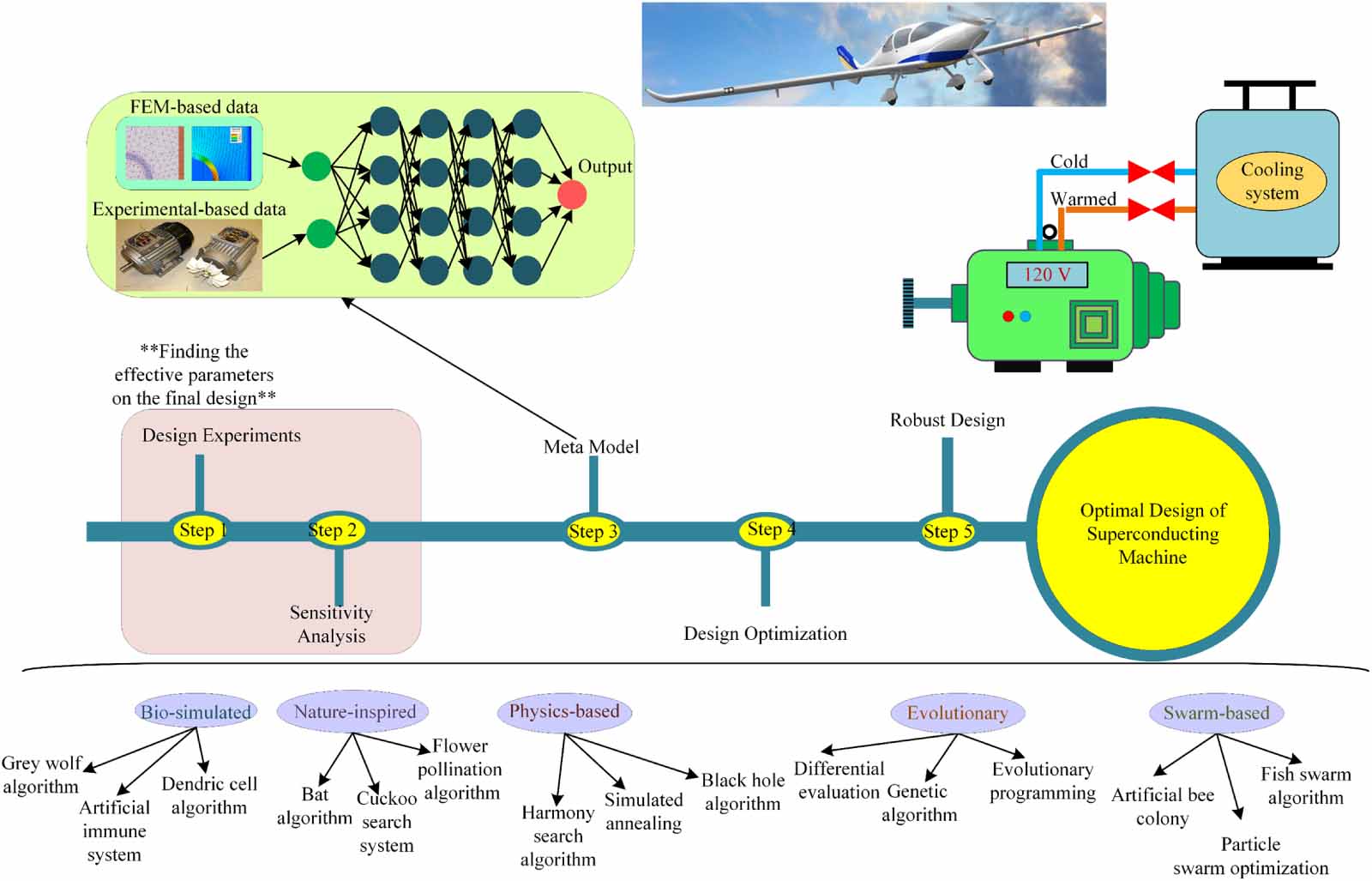
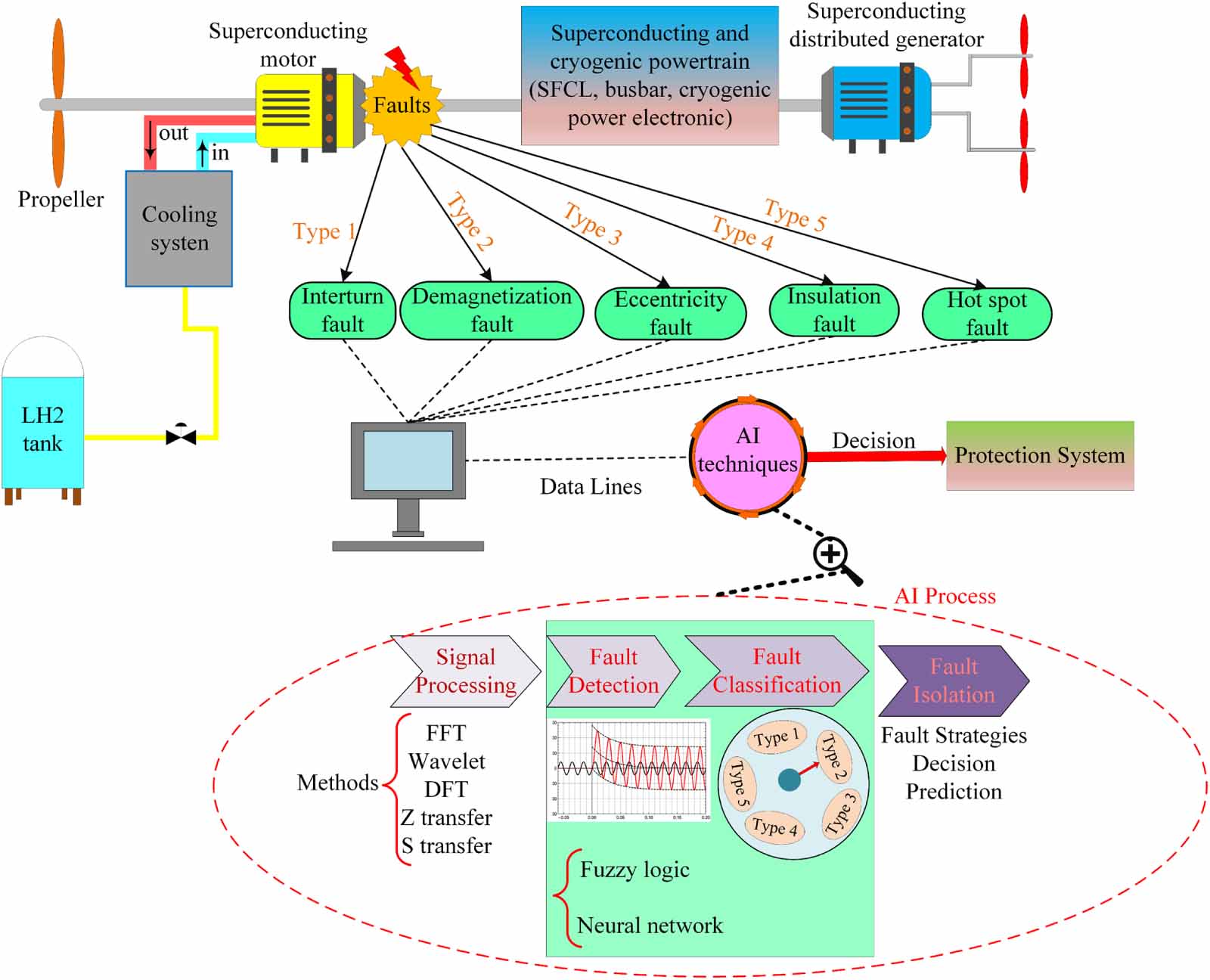
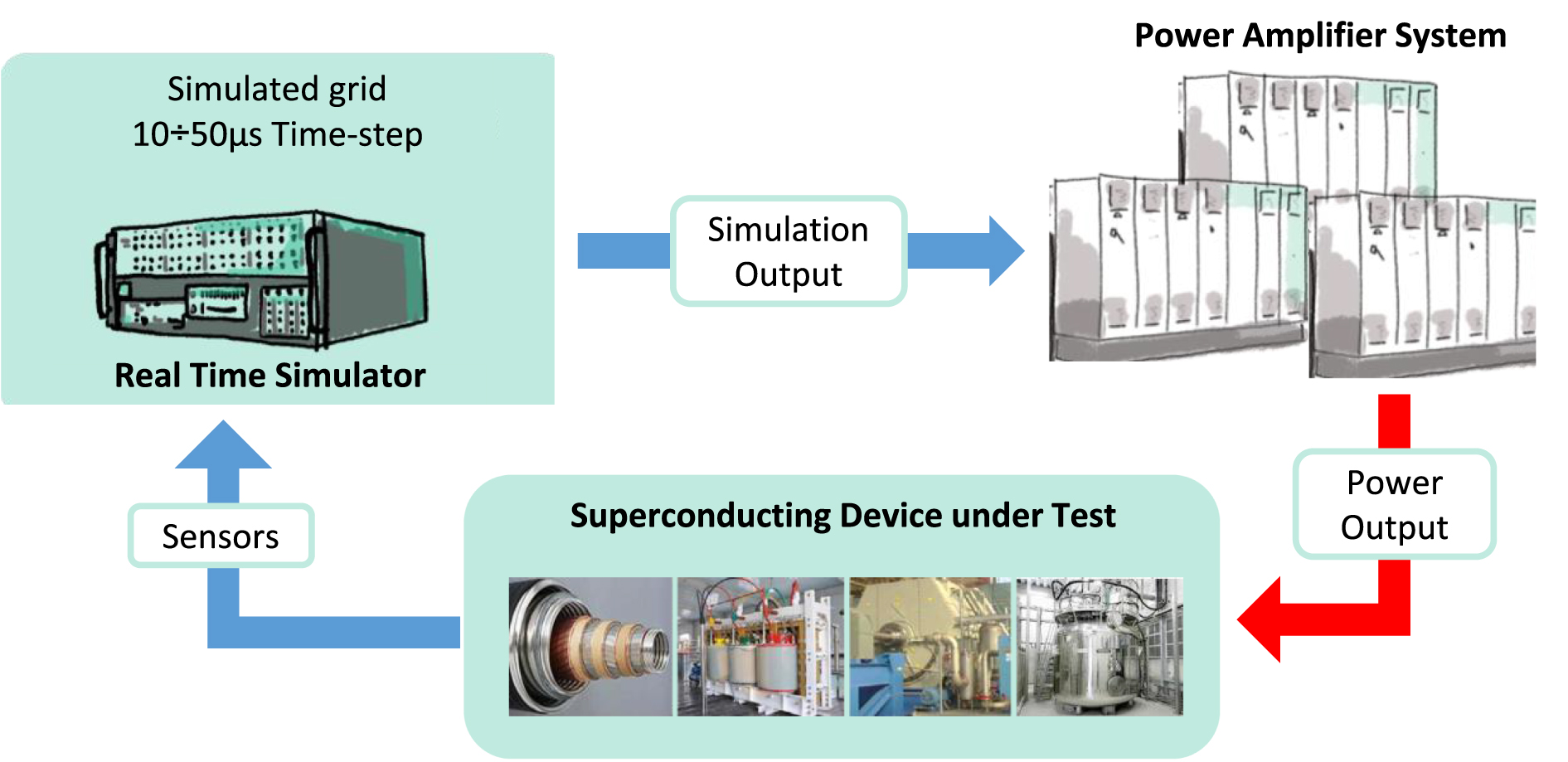
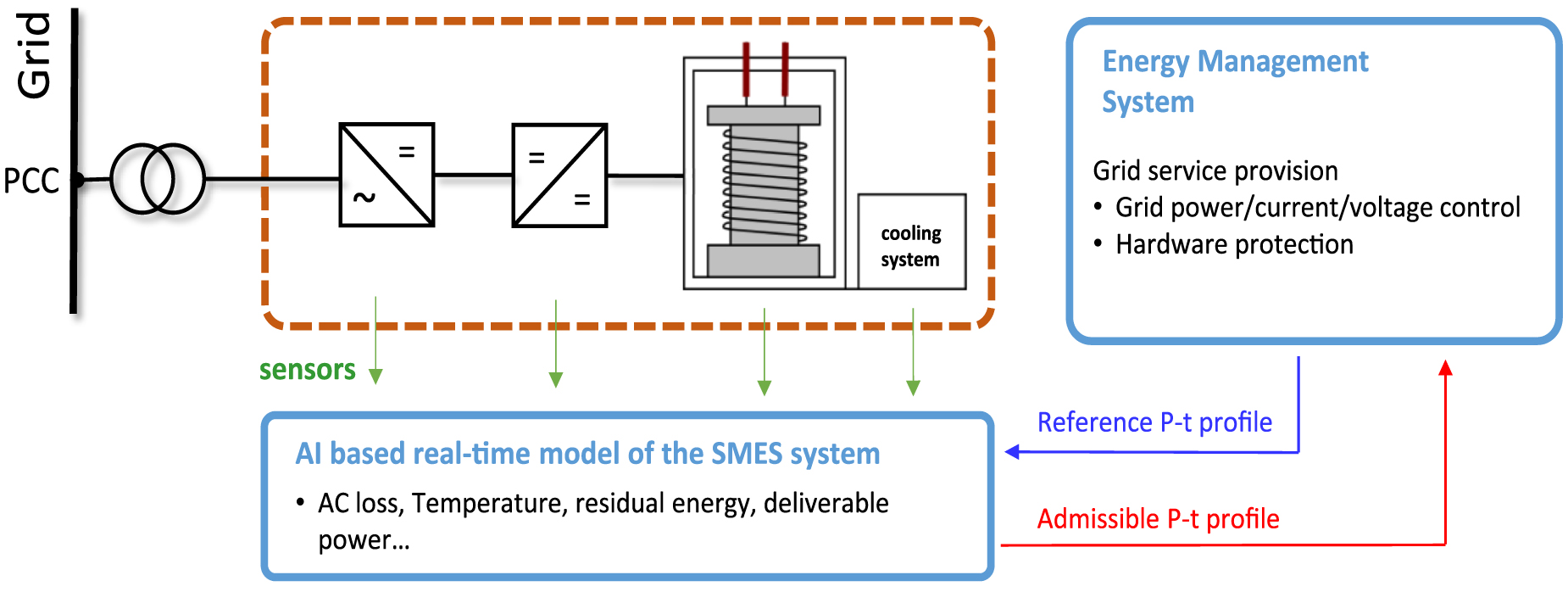
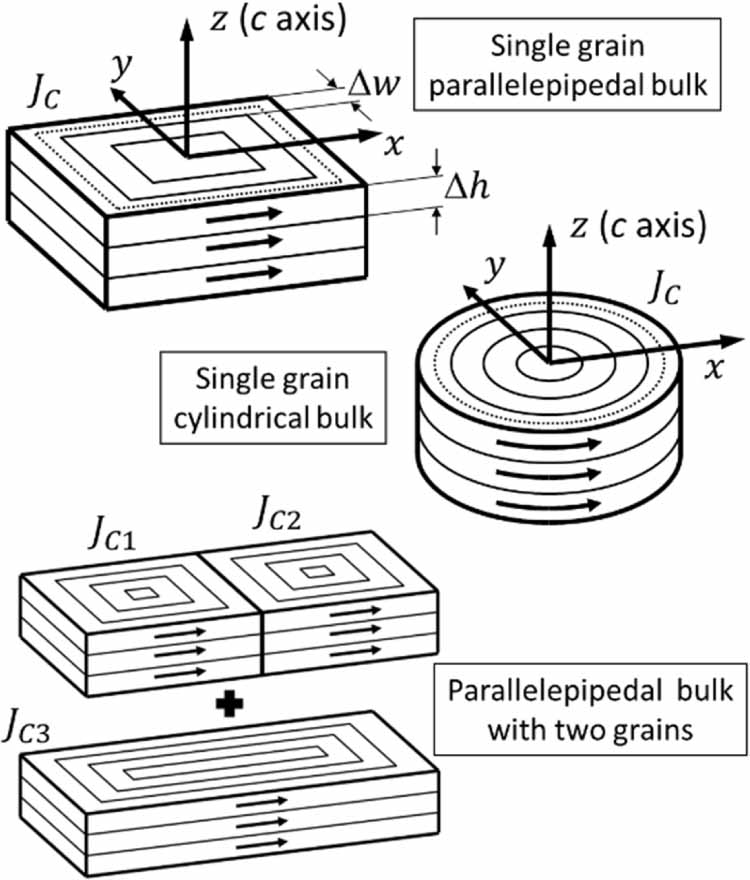
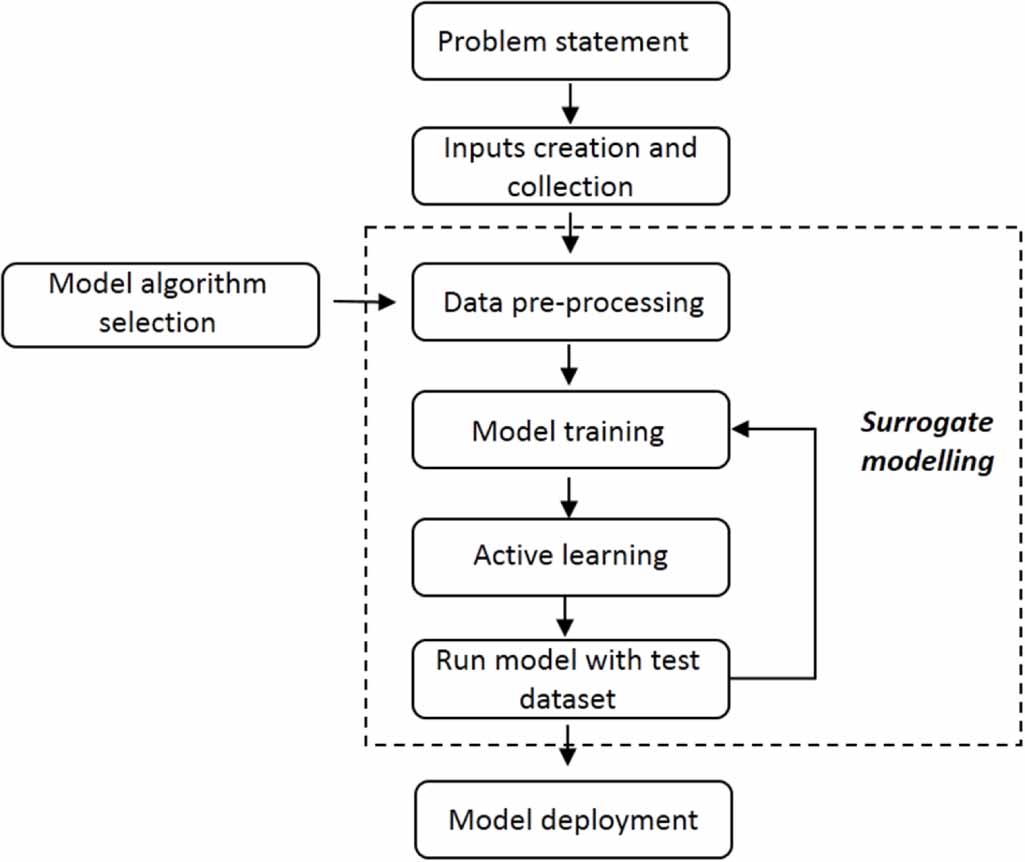
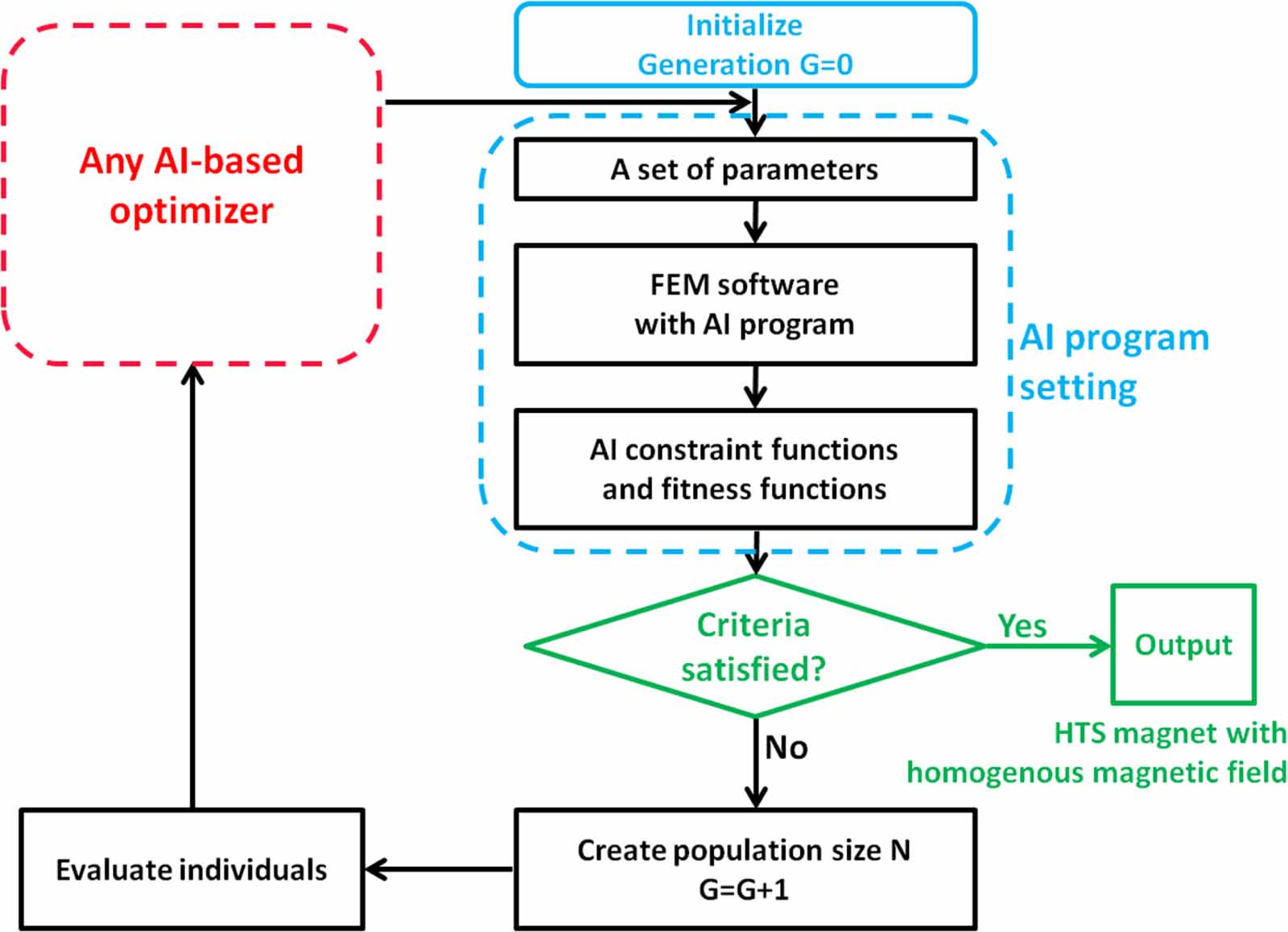
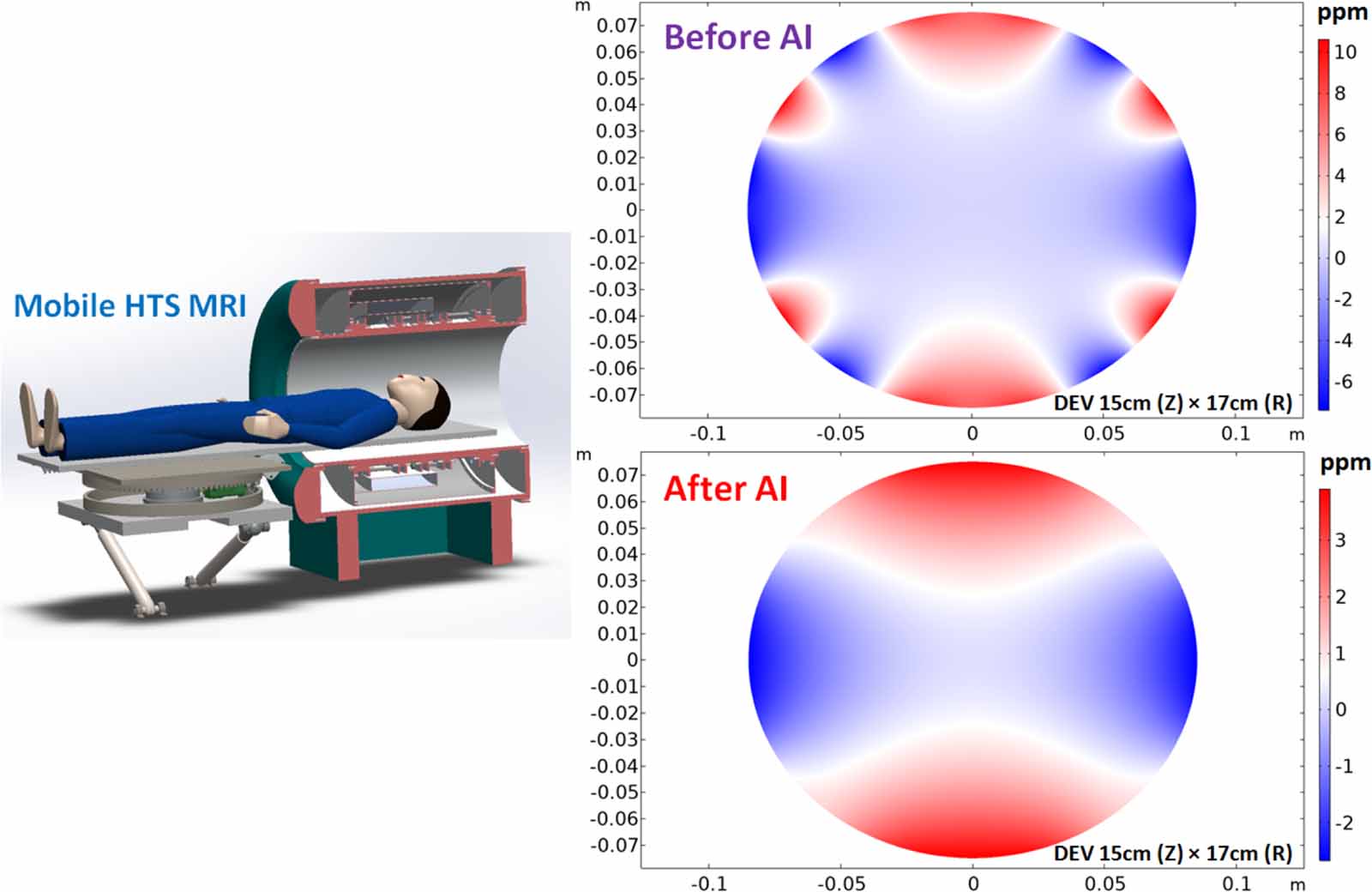
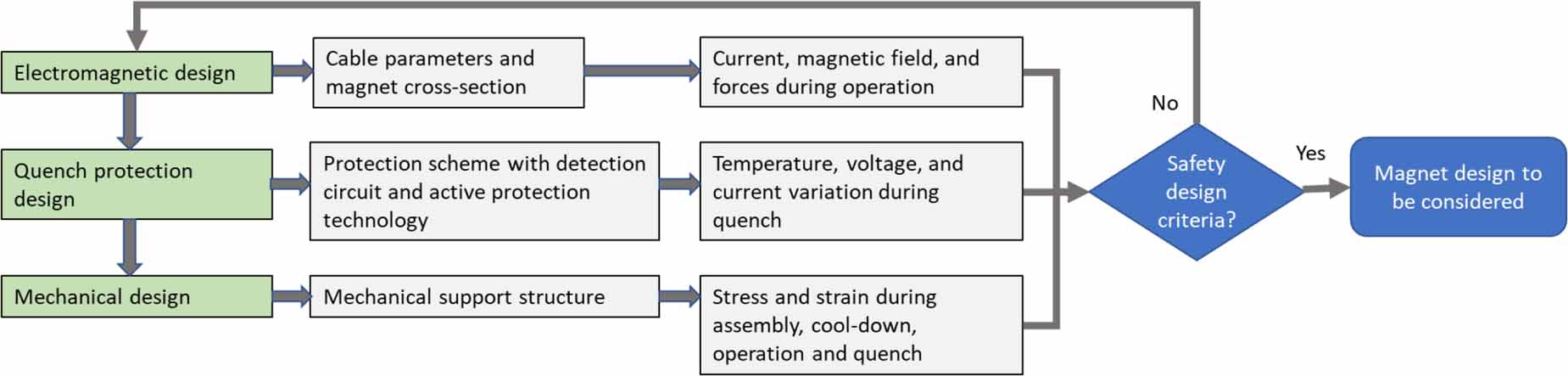
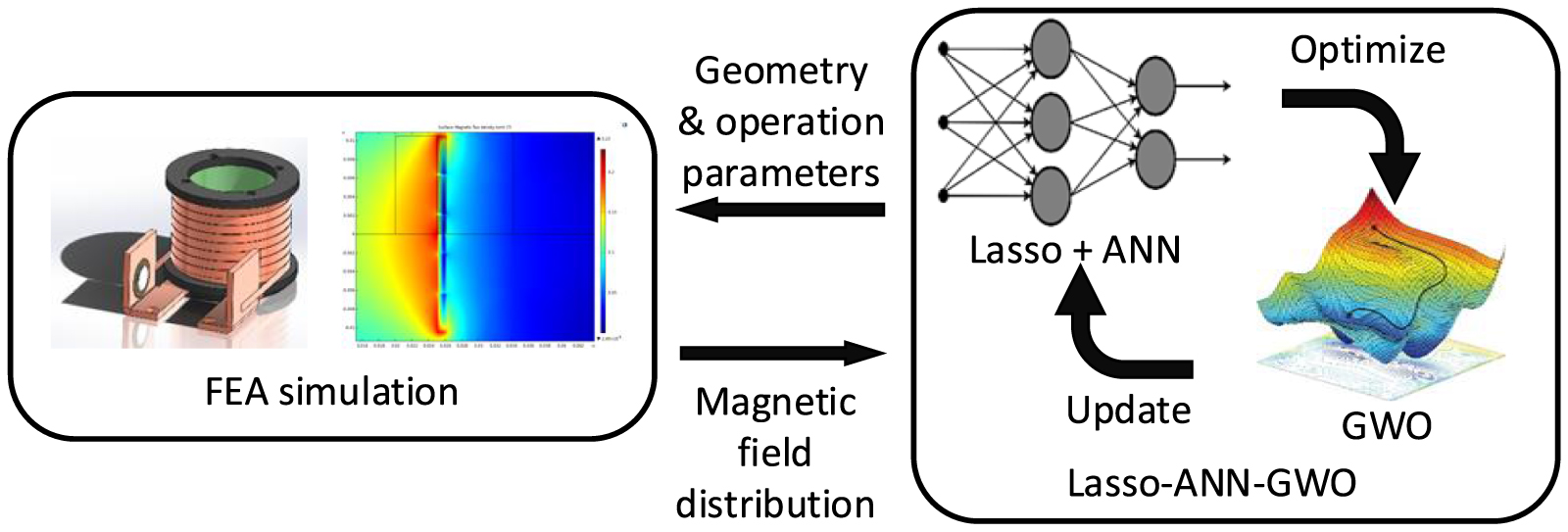
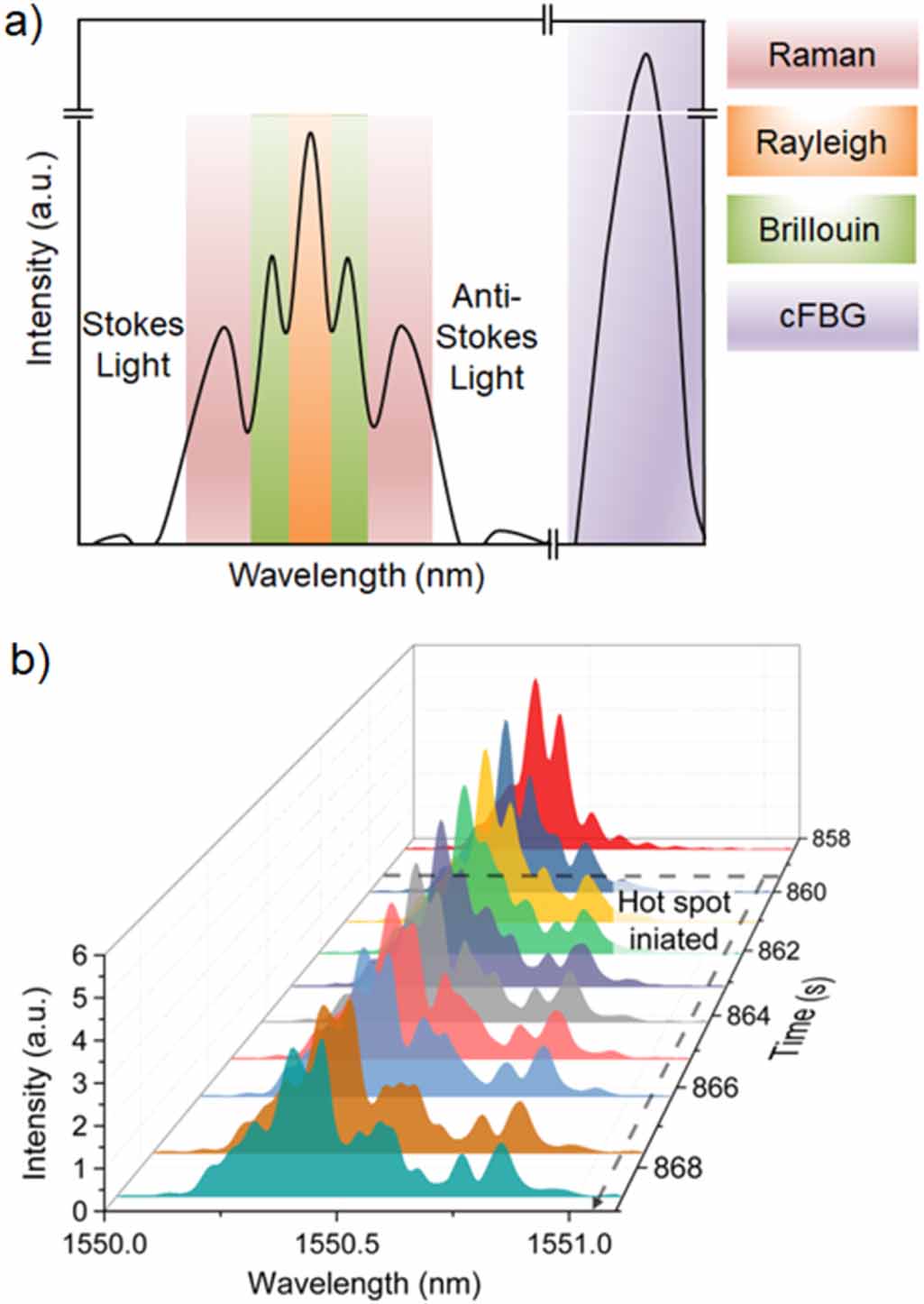
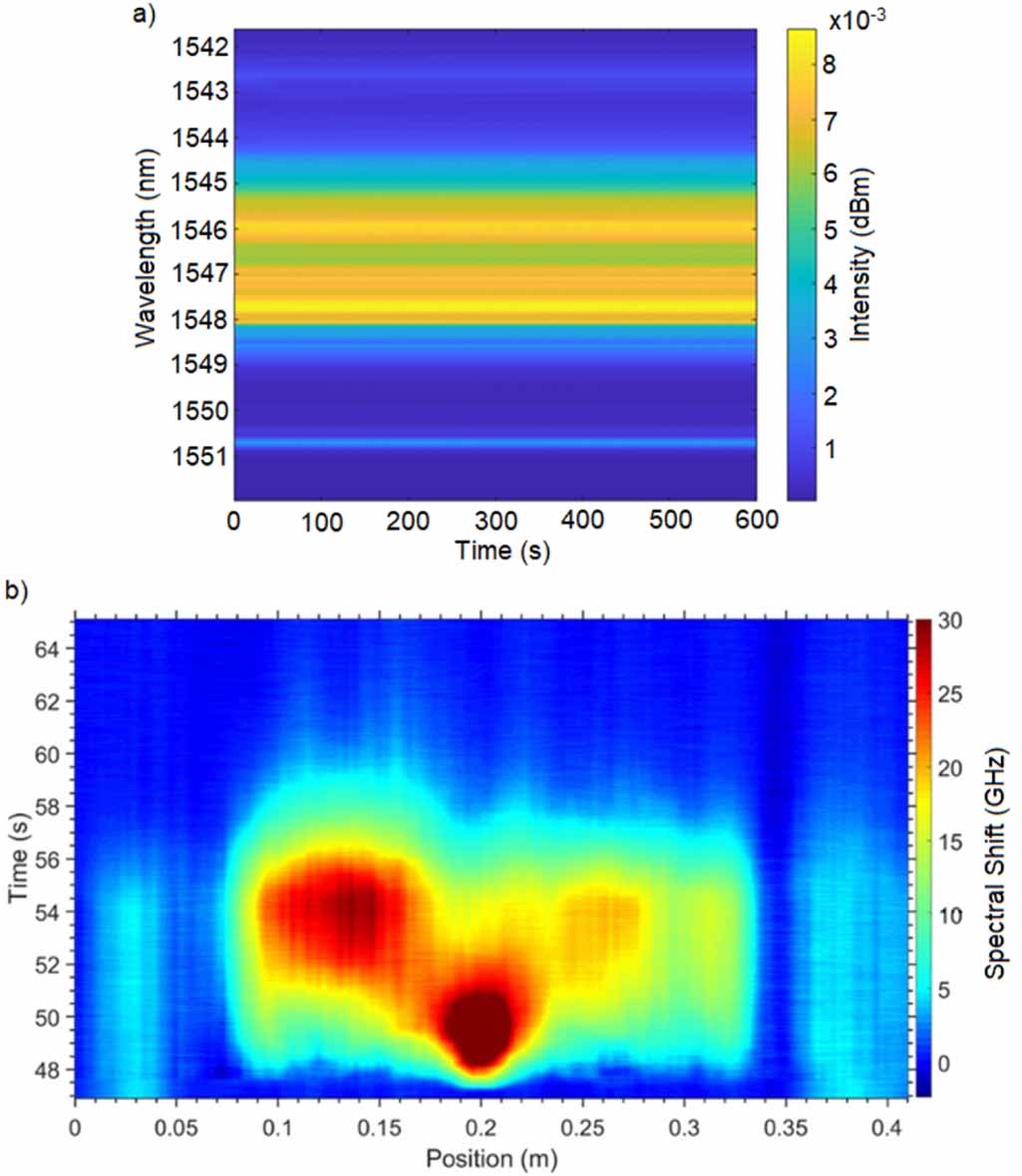
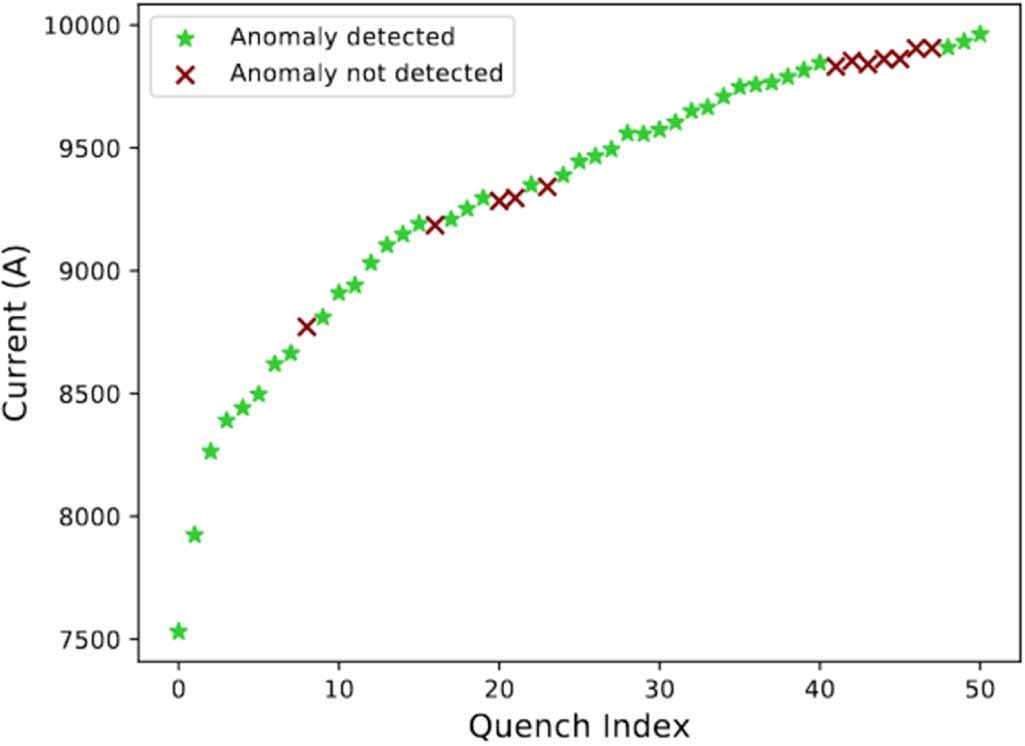
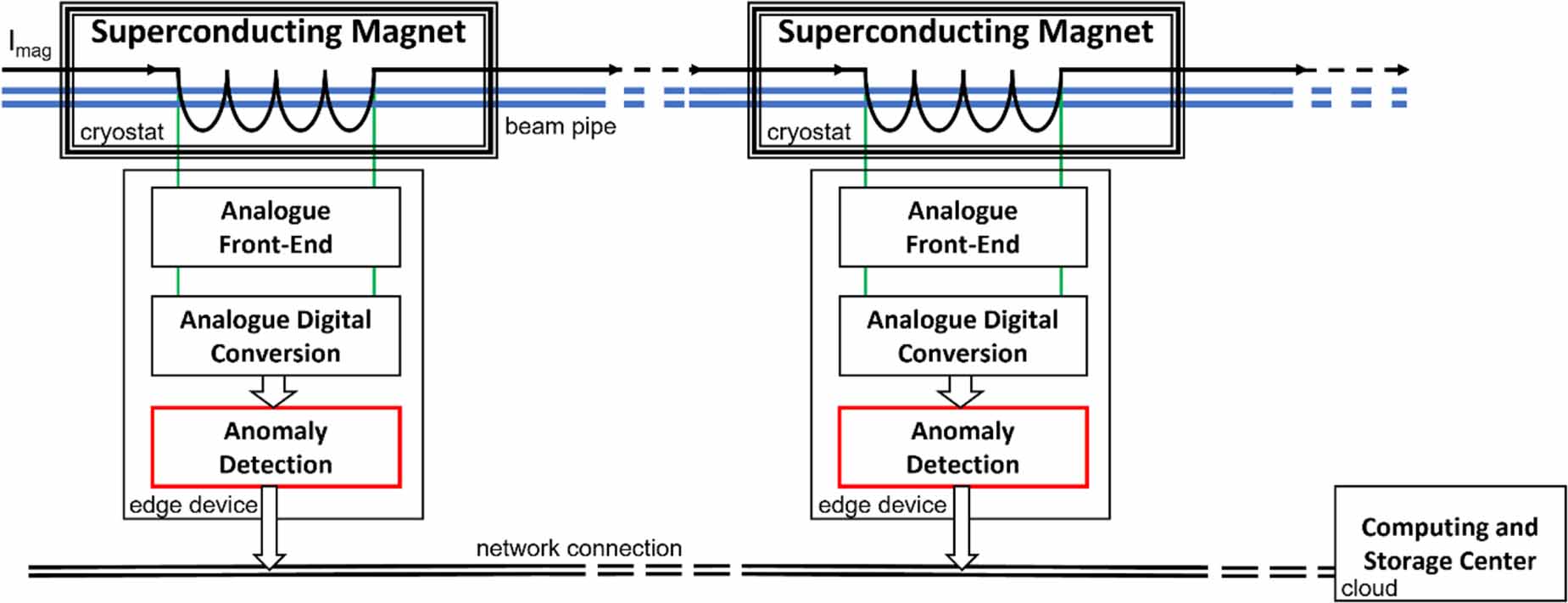
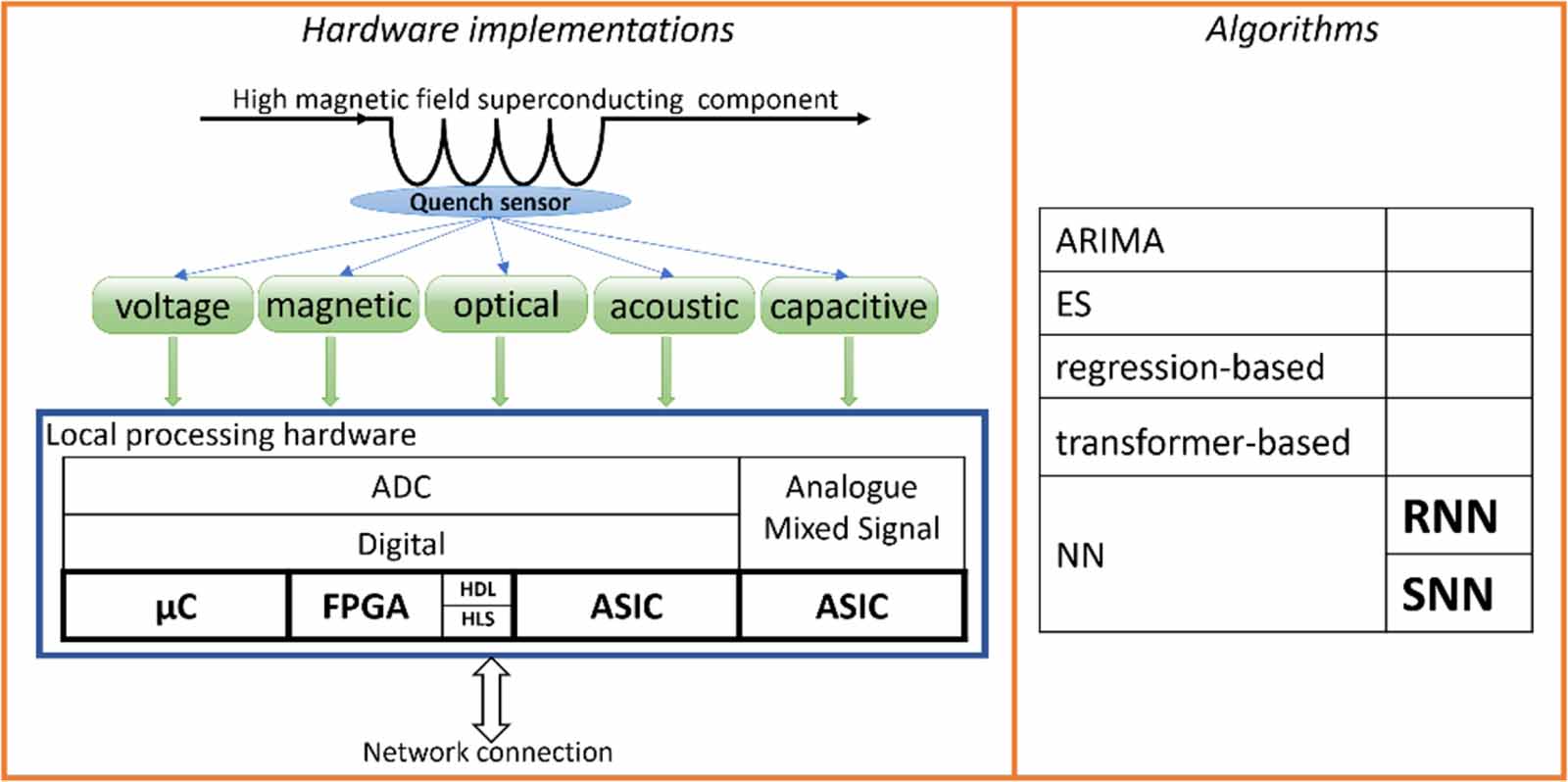
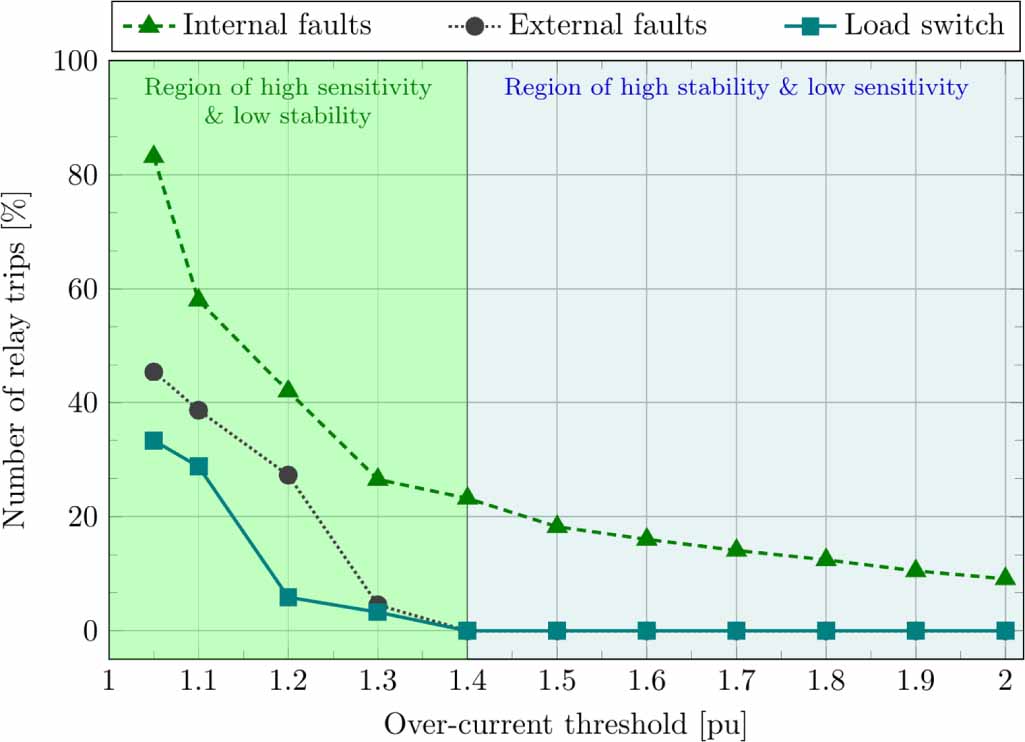
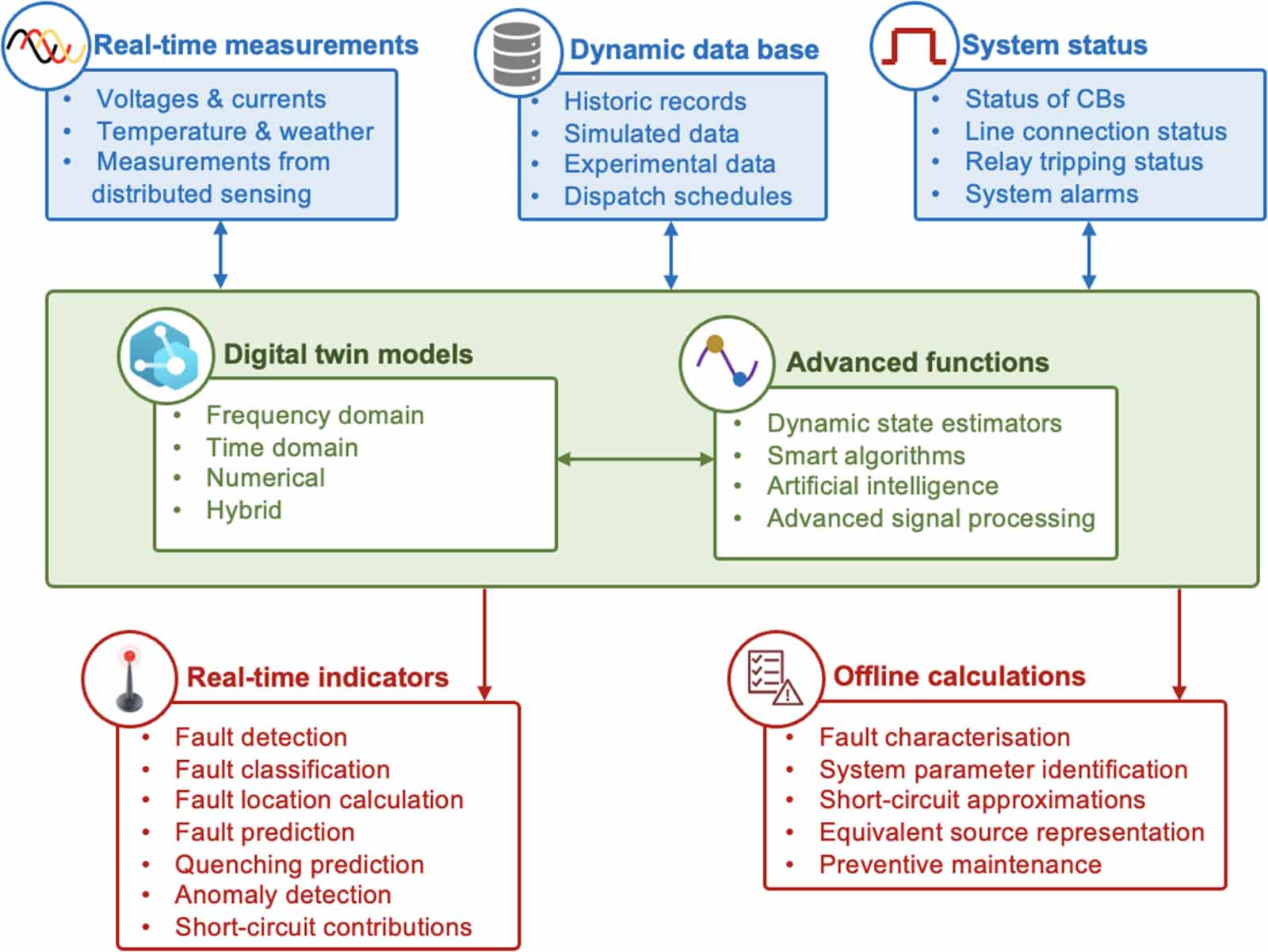
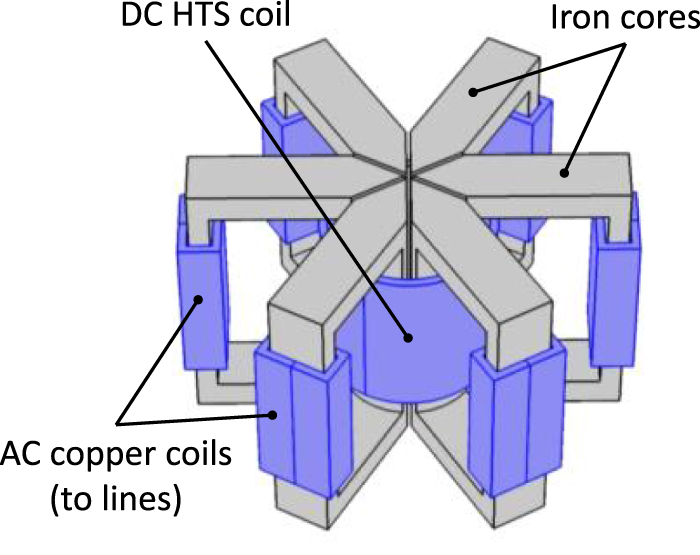
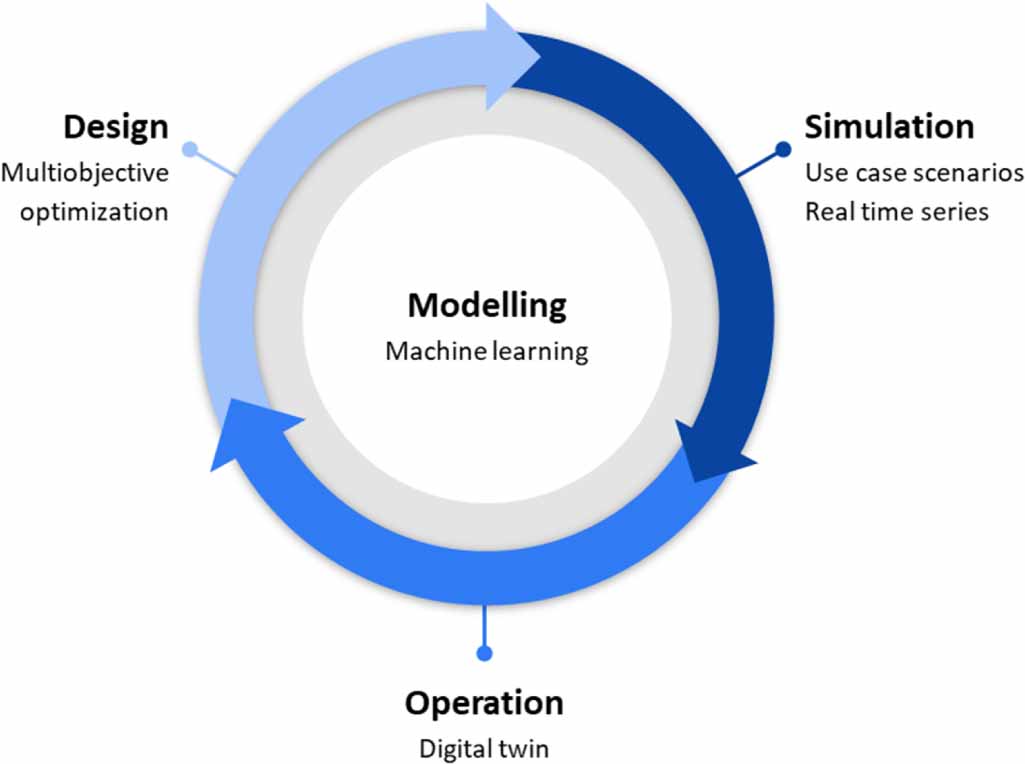
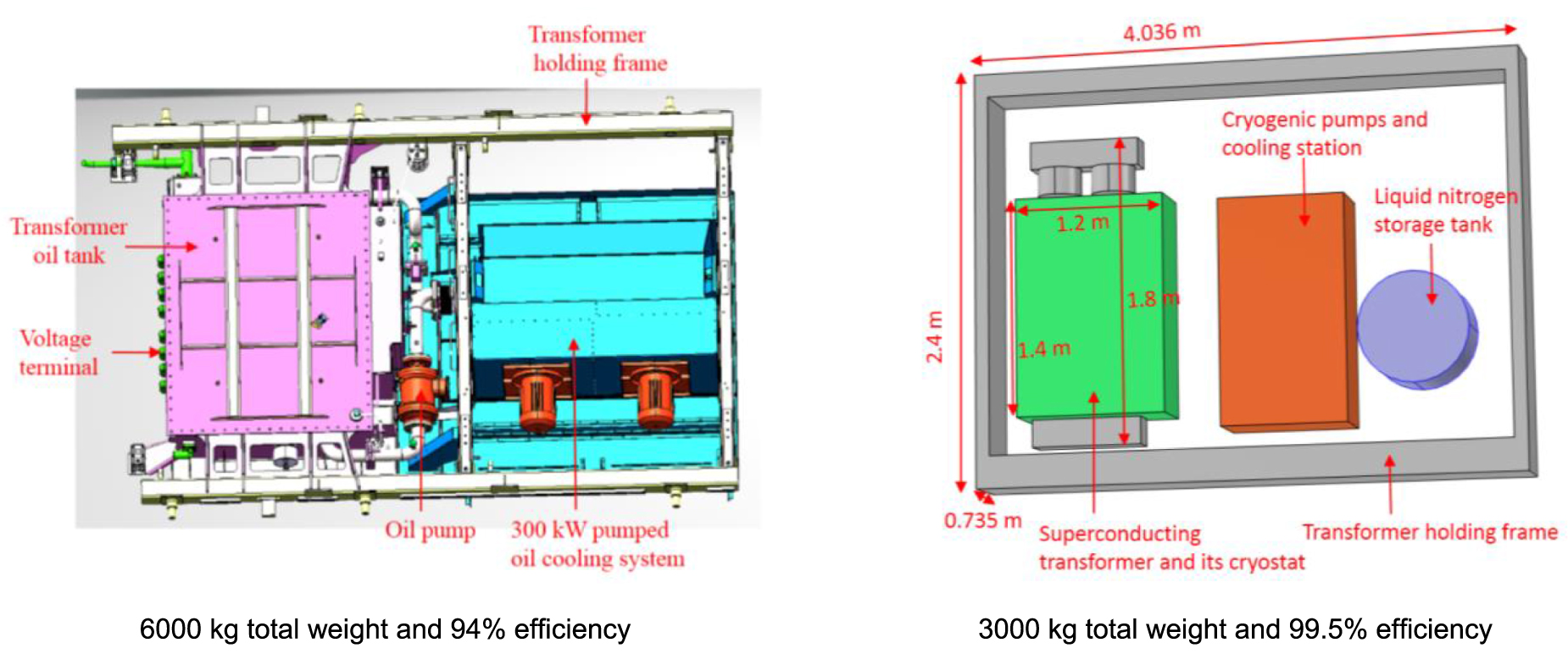
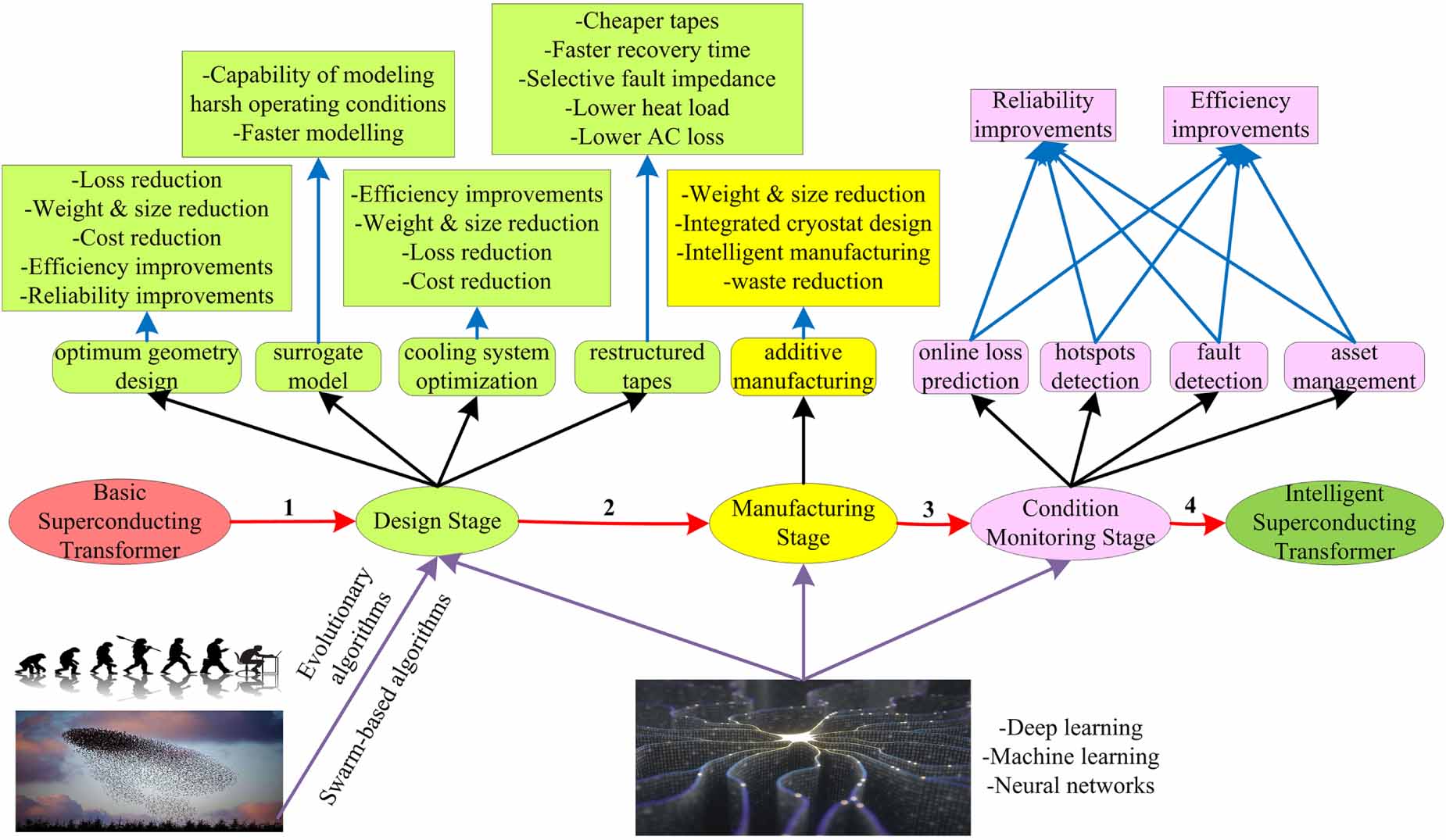
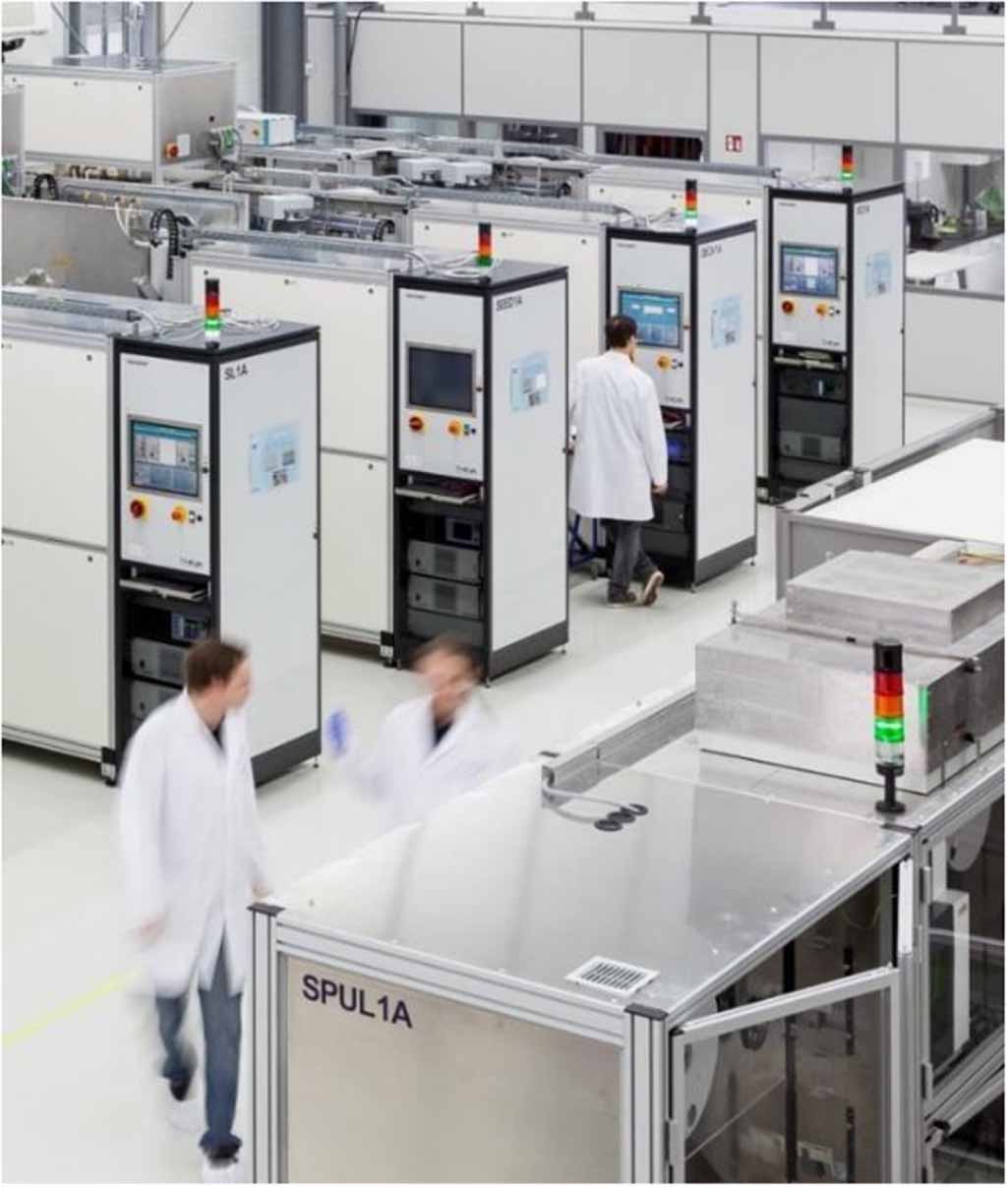
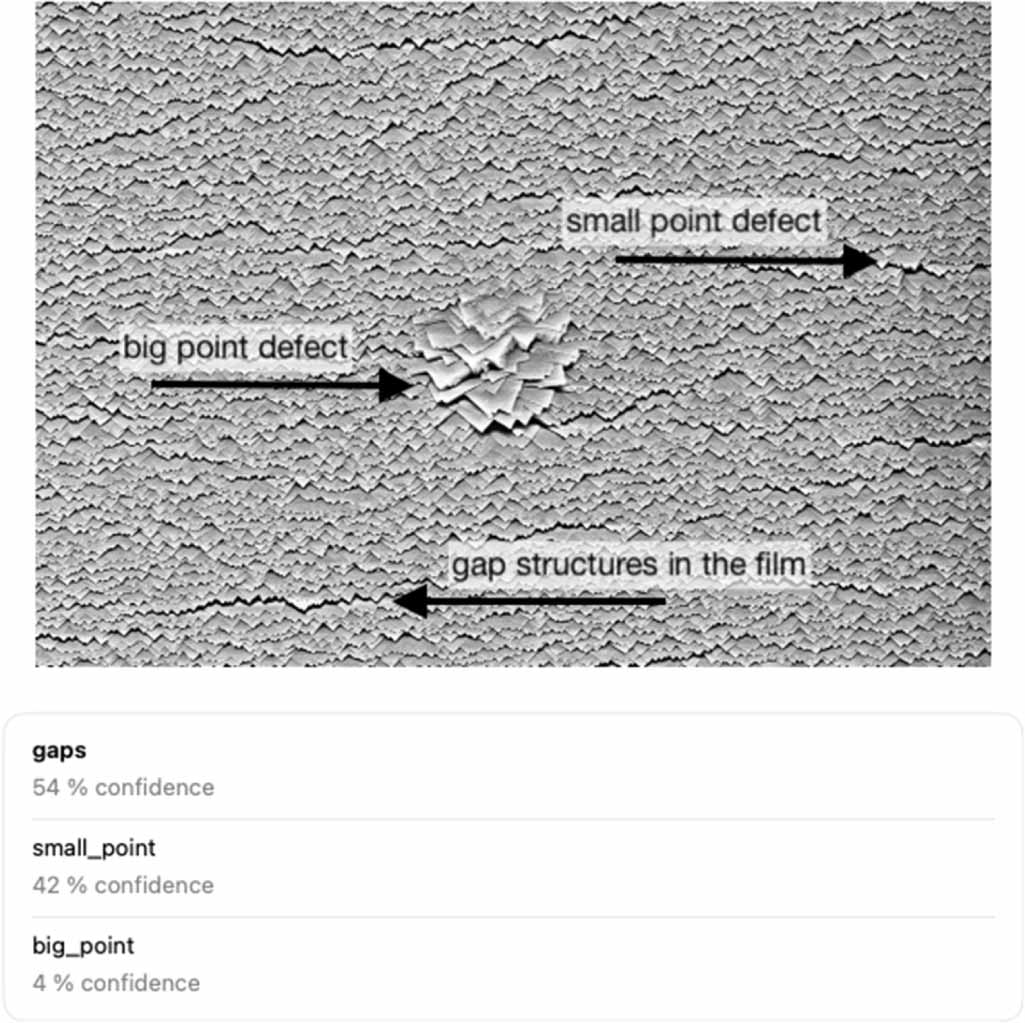
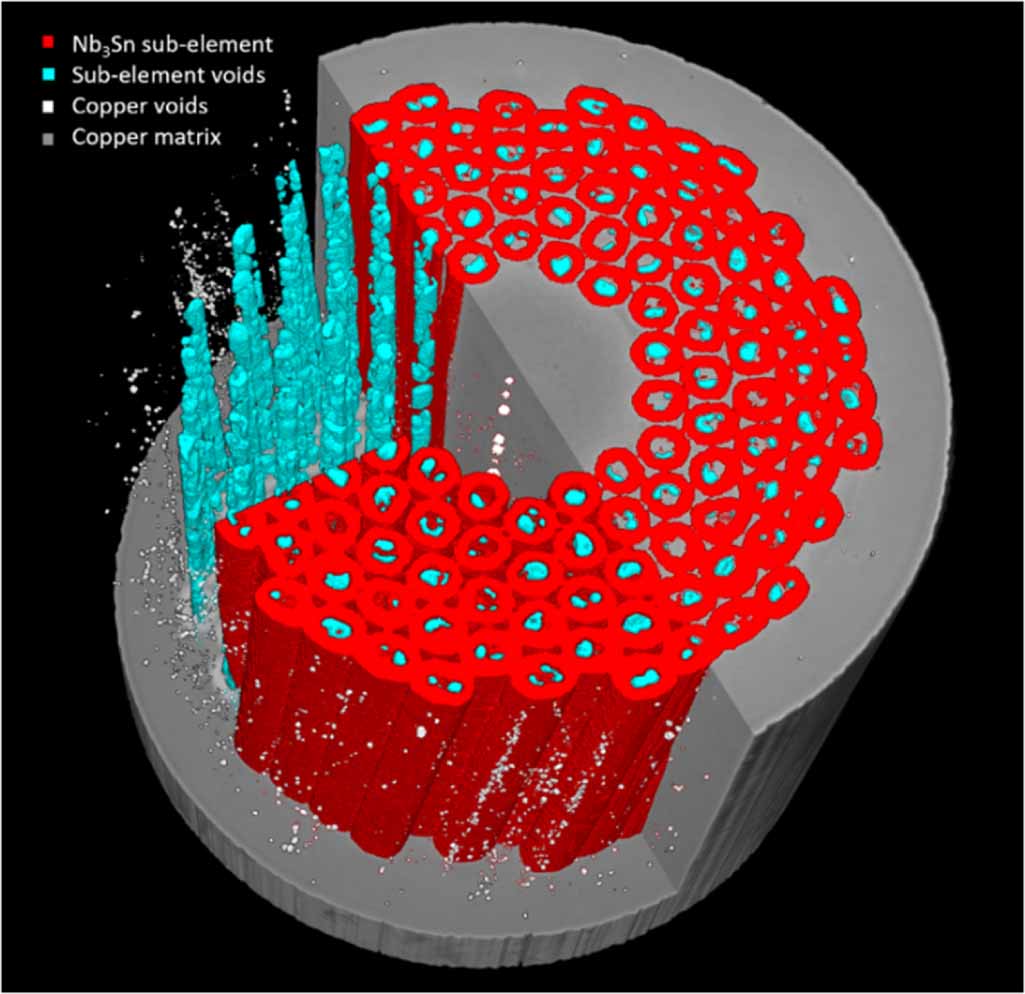
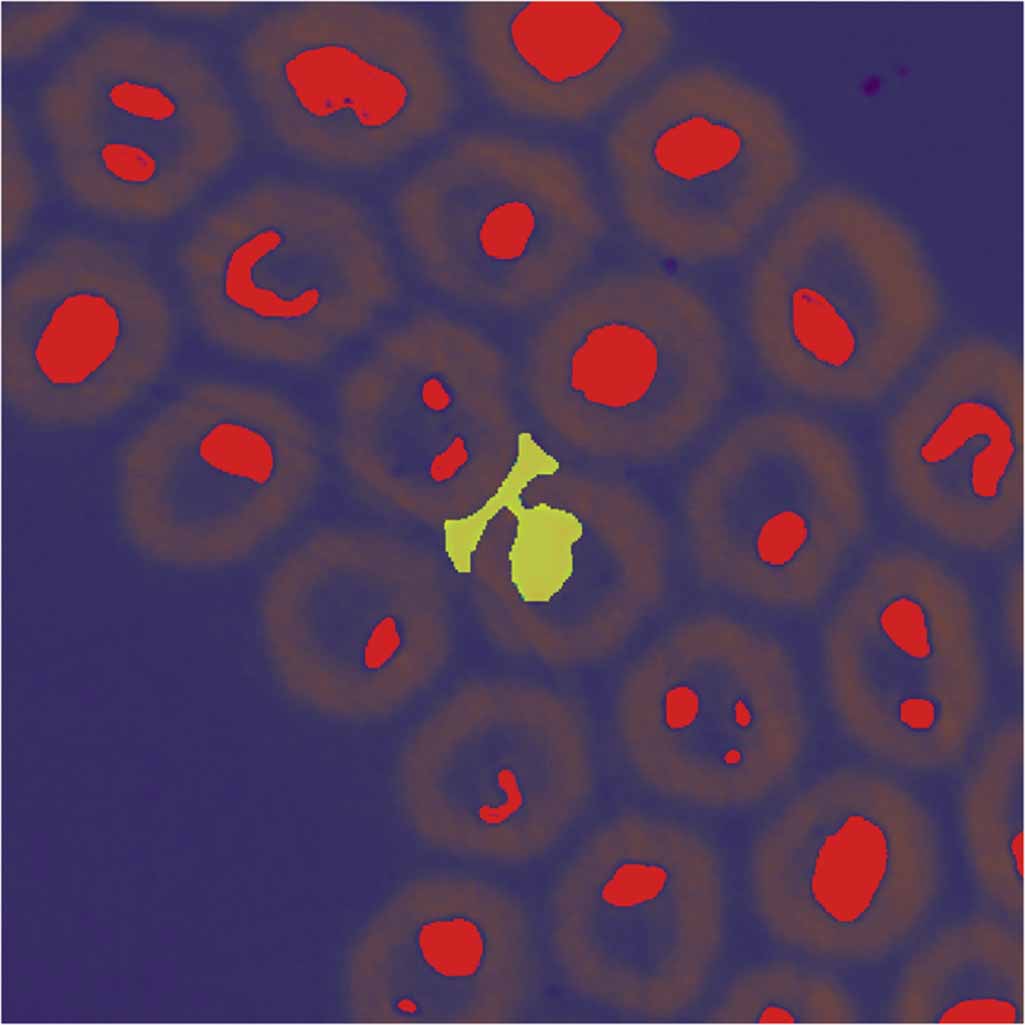
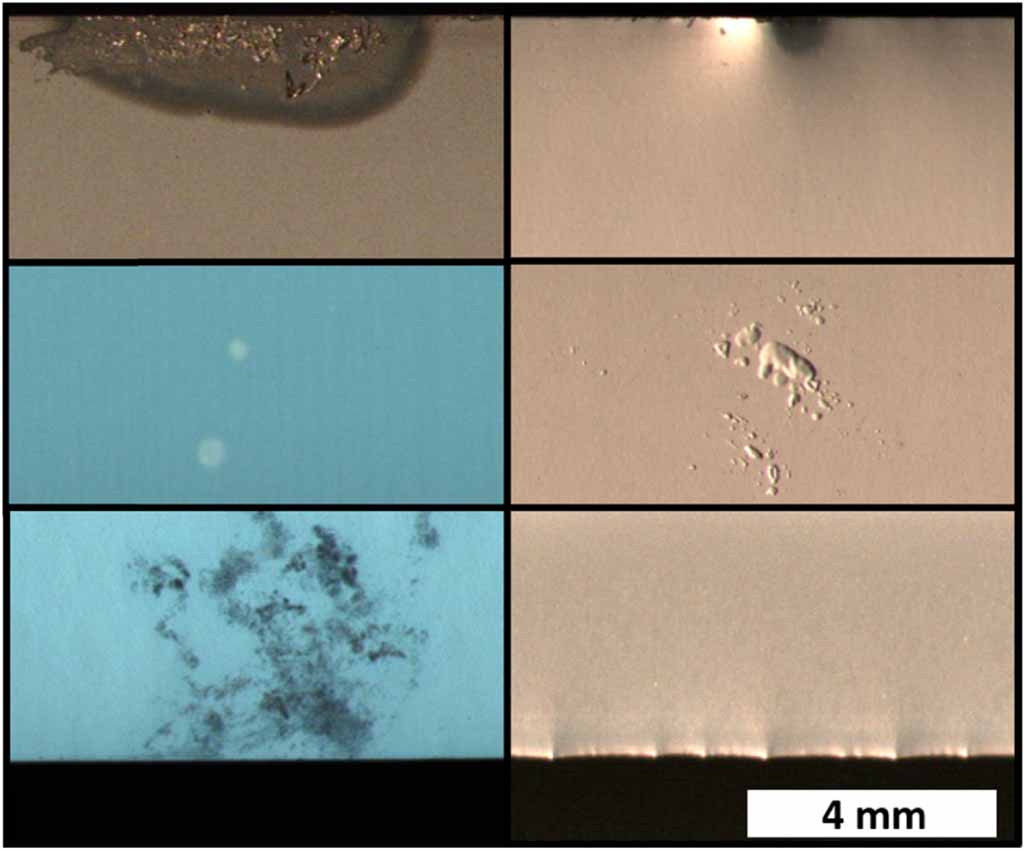
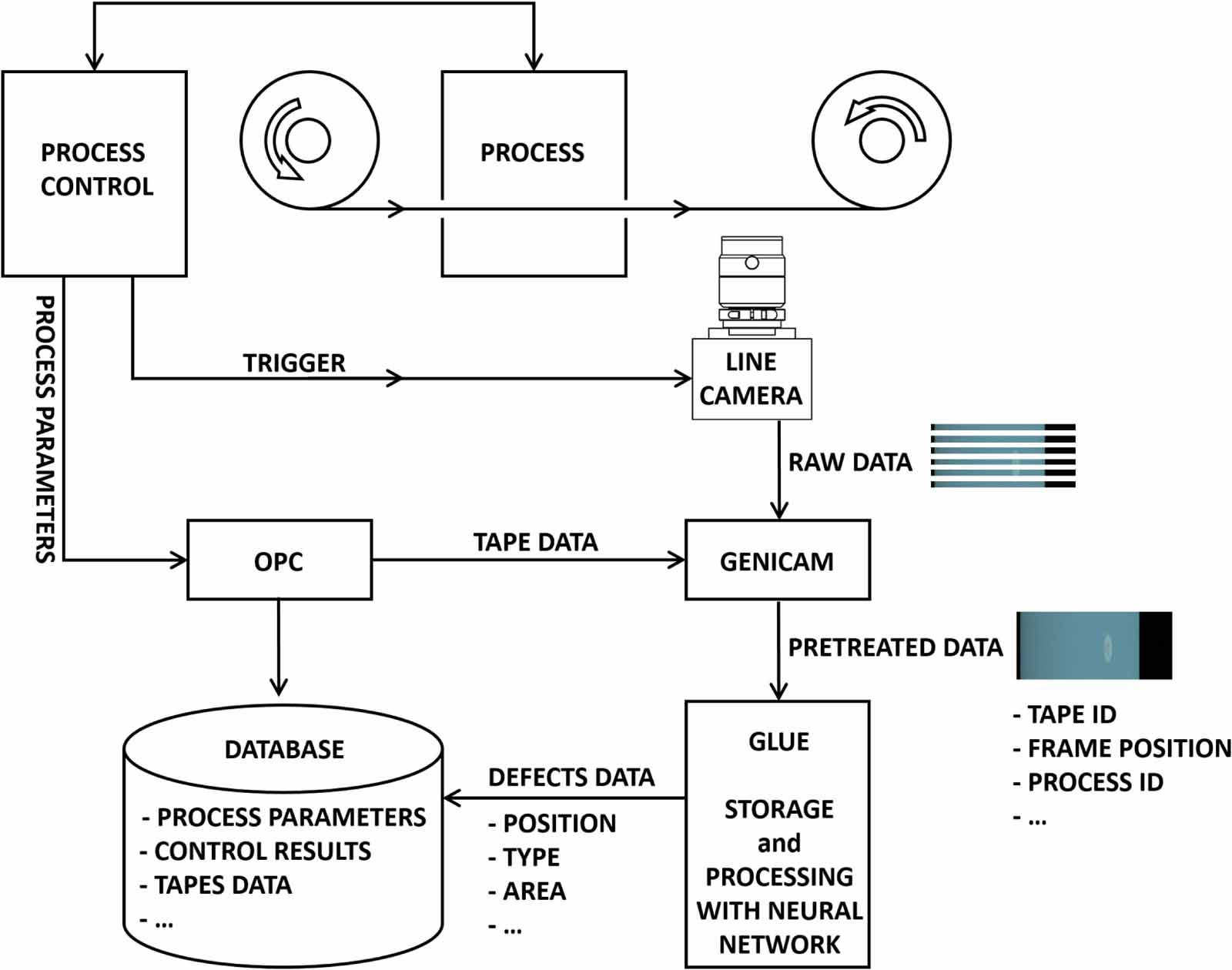
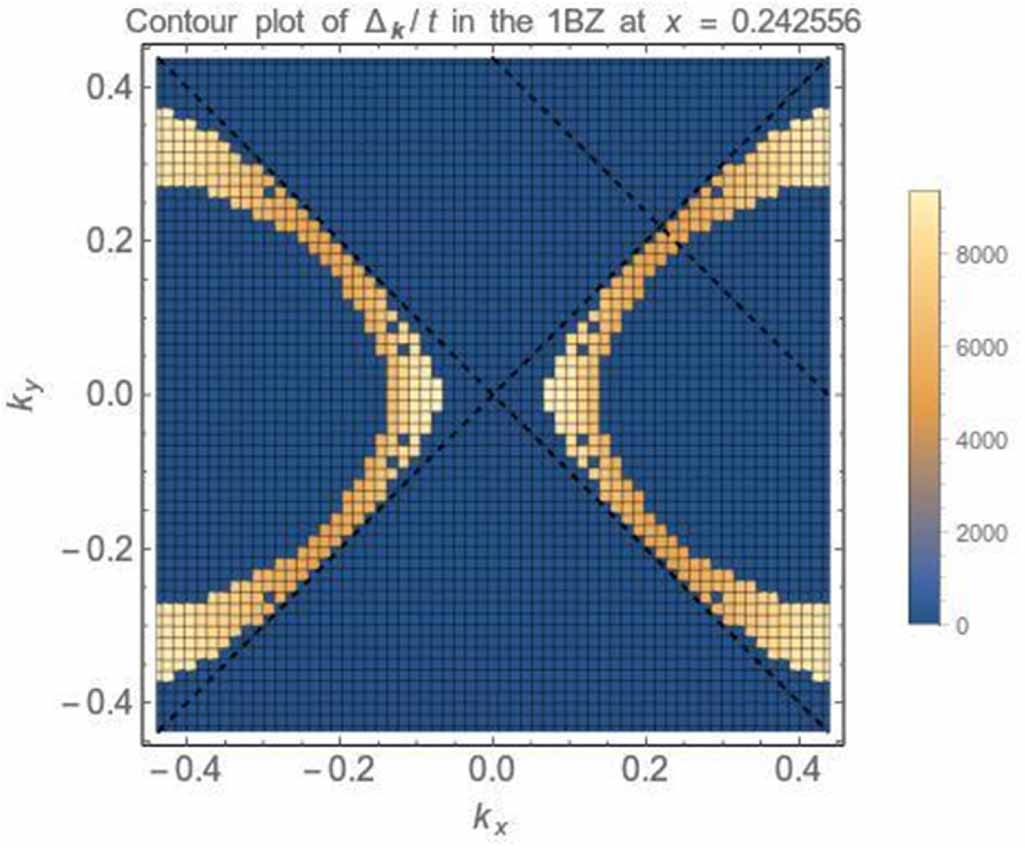
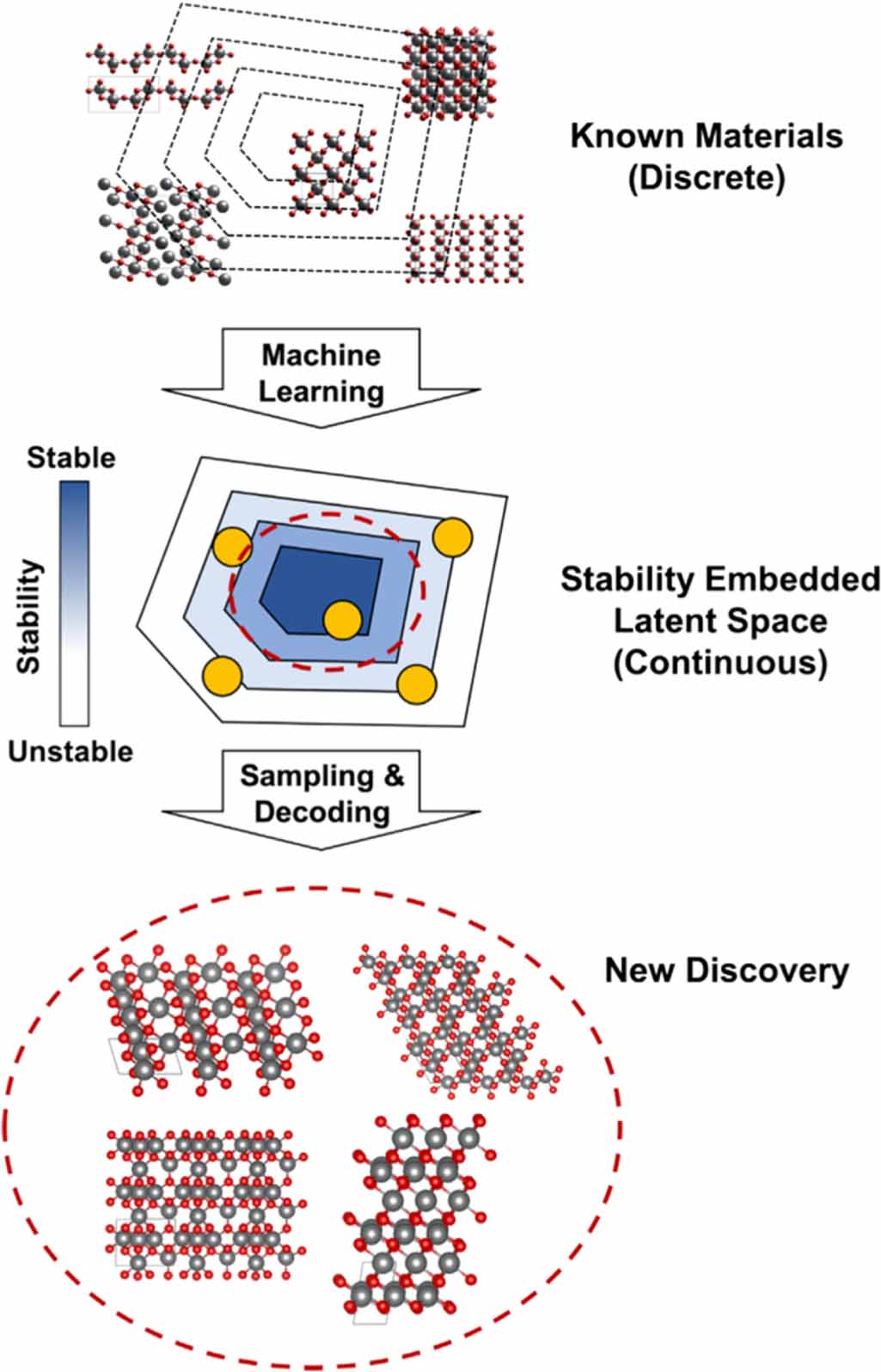
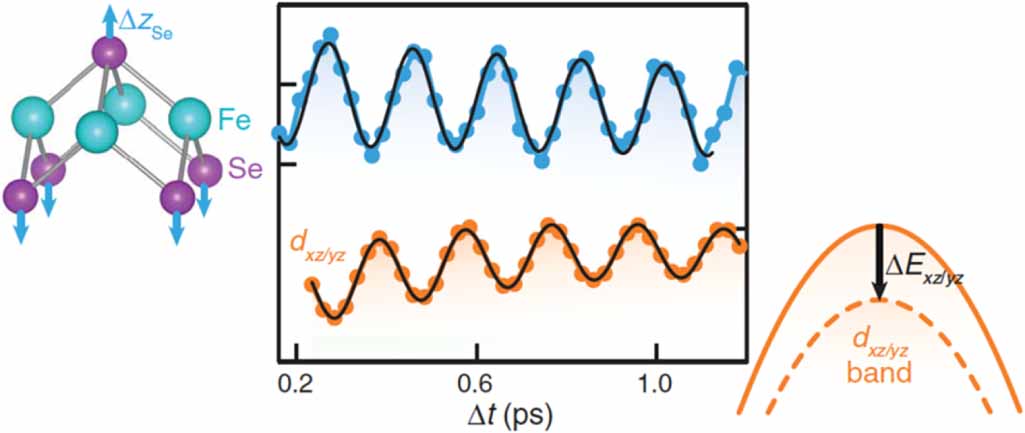
Figure 31. AI technologies for superconductivity.
Download figure:
Standard image High-resolution image
AI tools perform tasks at a greater speed, scale, or degree of accuracy than a human. Traditionally, managing data meant collecting, storing, and accessing structured data. Nowadays, as superconducting applications look for critical information, they can pull from the massive amounts of data generated, accessed, and stored in many locations, from corporate data centres to the cloud and the edge, from data warehouses to data lakes.
Additionally, superconducting applications need to rapidly parse through data (much of it unstructured) to find the information that will support decisions. Data Science methods and systems have the capability to extract knowledge and insights from superconducting data, and AI has the potential to offer tools for learning, knowledge discovery, and decision-making that try to outperform human abilities and can be used in many applications. AI is also used in engineering and physics fields as a shortcut to solve problems, discover new/optimal structures and devices, find new materials, control, or manage the systems intelligently, etc. To do this, many AI techniques require data to improve their performance, avoid overfitting and some effort in parameter tuning and selecting proper AI techniques. Once they perform well, they can help improve and automate decision-making.
Modelling research in superconductivity produces large amounts of data. This has become a promising approach within the critical current-by-design and data-driven paradigms, for designing superconductors with desired properties using sophisticated numerical methods replacing traditional trial-and-error approaches [170]. It is expected to see an increased focus on trust, ethics, transparency, and governance of AI systems. The identification of bias, data quality and explainability/interpretability to inform stakeholders about how specific decisions were done and what factors could update and change those decisions.
Hyper-automation arises in this context as the process of applying innovative developments to speed up and simplify tasks with minimal human intervention and knowledge. Another challenge is related to the quantum autoencoders-based approaches that may enable increased use of resources and potential implementations with trapped ions, superconducting circuits, and quantum photonics.
Several efforts were developed to support AI challenges by using conventional silicon microelectronics in conjunction with light. However, the production of silicon chips with electronic and photonic circuit elements is difficult for many physical/practical reasons related to the used materials [170]. Large-scale AI that focuses on integrating photonic components with superconducting electronics could be a solution. Using light for communication in conjunction with complex electronic circuits for computation could enable AI systems of scale and functionality.
DT is defined as a virtual model that is characterised in a highly accurate manner that receives data, and after that, the data are used to model the characteristics of superconducting devices and make decisions about the performance, design, control, protection, manufacture, and even maintenance of the device. Then the made decisions are sent towards the physical twin to be applied in related components. In fact, DT is the intersection of AI methods, cloud computing, the IoTs, and most importantly, CPSs. CPS is a smart and highly intelligent technology that is used for the integration of sensing, control, computation, and networking in a physical system or device, such as superconducting devices [170]. Thus, in near future not only non-real-time AI techniques would be applied to increase the accuracy of models, simulations, predictions, etc related to superconducting devices but also DTs and CPSs based on real-time computations would be applied to many superconducting apparatuses and devices. On the other hand, DT and CPS could be used in the design stage of superconducting devices not only with respect to initial constraints but also according to requirements that could be different for each application or customer. This can also improve the efficiency and generality of the design process. Estimation of precise maintenance time is another challenge that is possible to be rid of employing DT and CPS. For this purpose, DT receives the operational condition of the superconducting device from sensors and accesses some historical data about the previous repairs and maintenance. After that, using AI methods, an accurate estimation would be presented as the next possible maintenance timeline.
In near future, it is expected that AI methods will be implemented in:
- Discovery of novel superconductors with specific critical temperature or critical current condition monitoring of large-scale superconducting power devices such as rotating machines, MRI, transformers, fault current limiters and also in the fusion industry
- Design development of superconducting machines and magnets concerning all possible trade-offs
- Protection of SCs and transformers
- The manufacturing process of superconductors and superconducting components
- Using DTs for real-time modelling, monitoring, fault detection and design of superconducting devices
- Modelling sophisticated multiphysical characteristics of superconducting devices
- Improving the performance of superconducting quantum computers, and Superconducting Quantum Interference devices
- Calculating electron-boson spectral function
- Predicting the maintenance time of superconducting devices
- Weak-points detection
- Modelling the characteristic of superconductors
- Using autoencoders together with other AI and signal-processing techniques for fault detection in superconducting devices
Concluding remarks
AI as a strategic technology is developing fast and could certainly change manufacturing, materials, physics, and engineering fields by increasing the quality of processes, improving the efficiency of systems production through predictive maintenance, finding optimal solutions, and contributing to real-time monitoring, fault detection and asset management. AI offers important efficiency, productivity, and agility benefits that can strengthen the competitiveness of a technology such as superconductivity and improve its applications. AI has the potential to offer tools for learning, knowledge discovery, and decision-making that try to outperform human abilities and can be used in many applications.
AI-related techniques involve a multidisciplinary approach of using mathematical models, statistics, graphs, databases, and business/scientific logic. Hardware manufacturing in a scalable manner could contribute to large systems construction at a reasonable cost. Superconducting optoelectronic integration could also contribute to scalable quantum technologies and lead to new ways of leveraging the strengths of quantum-neural hybrid systems.
Current Research indicates that with the introduction of CPS, machines will be able to communicate with each other and decentralised control systems will be able to optimise production, mainly through the integration of several paradigms, like AI, DT, IoT, and Cloud Computing.
The exponential growth of data, the digital transformation process and all the related technological evolutions have to be complemented by a long-term industrial strategy that prepares the governments and society in interaction with stakeholders/industries for the digital and low carbon economy. The integration of emergent, smart and AI-based technologies arises as the main strategy to support the trends in the superconductivity area, which main current challenges involve additional production capacity, high production costs, inflationary effects and real market demand.
Data availability statement
All data that support the findings of this study are included within the article (and any supplementary files).
Acknowledgments
Networking support provided by the European Cooperation in Science and Technology, COST Action CA19108 (Hi-SCALE) is acknowledged.
Footnotes
- 27
There are many different features that could help finding a specific fault which we could not state here in this roadmap article because of page limit. For more information regarding this point, please directly contact the corresponding author.

- National Institute of Standards and Technology: Nanostructure Fabrication and Measurement Group
- ETH Zürich
- Institute of Physics, Chinese Academy of Sciences