Talks by Samanta Mariotti

Raccontare una mansio in un progetto di archeologia pubblica
Se chiedeste a un vostro amico e al suo bambino che cosa sia una mansio, la risposta migliore che... more Se chiedeste a un vostro amico e al suo bambino che cosa sia una mansio, la risposta migliore che potreste ottenere sarebbe probabilmente: “che cosa?”. Che cos’è infatti una mansio? Il grande pubblico sa che cosa sono le terme, sa riconoscere una strada romana, i più bravi sanno anche in che cosa la villa romana differisse da quelle odierne, ma davvero in pochi sanno che cos’è una mansio. Se questo non è una pecca a livello di cultura generale, lo diventa se è in corso lo scavo di una mansio nel luogo dove vive l’amico con il suo bambino: è infatti responsabilità dell’archeologo raccontare al pubblico cosa sta scavando e sforzarsi di farlo nel modo più coinvolgente e stimolante possibile, utilizzando il linguaggio più appropriato.
Questo è il compito che quotidianamente dobbiamo affrontare a Vignale. Un sito dove per necessità si è costretti a raccontare molto per colmare la mancanza di evidenze chiare e appariscenti. Lo scarso livello di conservazione rende ancora più complicato illustrare una struttura poco conosciuta come una mansio, già di per sé difficile da definire e ancor di più da immaginare.
Trovandosi il cantiere di scavo vicino ad una strada di grande comunicazione siamo stati fin da subito particolarmente esposti all’attenzione del pubblico. Questa contingenza ci ha richiesto di mettere in discussione la nostra strategia comunicativa e in generale il modo di porsi e presentarsi agli interlocutori. Una comunicazione più emotiva e narrata, spogliata da superflui e svianti tecnicismi, rende la divulgazione più chiara e diretta e la comprensione più efficace e funzionale.
Il nostro intervento si incentra sulla presentazione dei modi, dei sistemi e dei linguaggi con i quali affrontiamo e gestiamo la comunicazione della mansio a Vignale.
A seconda del pubblico che ci troviamo davanti infatti, proponiamo attività specifiche che vanno dai laboratori didattici agli incontri con le scuole, dalle cene in costume ai trekking archeologici, fino a suggestioni teatrali e ai docudrama.
Questo approccio partecipativo, “Excava[c]tion” (http://youtu.be/EGLMXjkZsfU), non si esaurisce alla sola narrazione della mansio ma viene declinato, in un’ottica di archeologia globale di un territorio, alle varie fasi di vita del sito.
Quello che proponiamo è la nostra idea di archeologia pubblica: un’archeologia che si pone come mediatrice nella decodifica dei segni del passato; un’archeologia che dialoga, comunica e si confronta con la comunità nella quale si inserisce; un’archeologia che si fa carico di una responsabilità sociale traducendo in identità le tracce che emergono dalla terra.
If you asked a friend of yours and his child what a mansio is, the best answer you could get would probably be “what?”. What’s actually a mansio? People generally know what thermae are, they can recognize a Roman road, the most capable ones even know what’s the difference between a Roman villa and those of today, but very few people know what a mansio is. If this cannot be considered a big flaw in terms of general culture, it can become a more serious matter if the excavation of a mansio is carried on right in the place where that friend and his child live: actually, primary responsibility of an archaeologist is to tell the public what he’s digging and he must strive to do it in the most engaging and stirring way as possible, using the most appropriate language.
This is the challenge we face daily in Vignale. A site where the lack of clear and visible evidences forces us to tell a lot. The poor state of preservation makes even more complicated to illustrate a very little known structure as a mansio is: a structure already difficult to define and even more to imagine.
The fieldwork is located in a position of high visibility near a highway. Since the beginning this situation leads a lot of people to the site and requested us to think about our communication strategy and the way of interacting with the public. We chose a more effective, direct and comprehensible communication using narration and emotion and avoiding unnecessary technical words.
Our paper focuses on this way of telling the site: what kind of activities, what languages we use to deal with and manage the communication.
Depending on the kind of public, we propose specific activities, as lab activities for children on the site and in classroom, dinner with figures in costume, archaeological hiking, theatrical performances and docudrama.
This participatory approach, called "Excava(c)tion", is not limited to the narration of the mansio but it is also used for the other phases of life of the site.
What we propose is our idea of public archaeology: an archaeology that decodes the traces of the past; an archaeology that talks and deal with the community in which the site is situated; an archaeology that means social responsibility because translates the traces of the past in identity.
Papers by Samanta Mariotti
Advances in Digital Archaeology. Proceedings of the 2023 conference Computer Applications and Quantitative Methods in Archaeology – 50 years of synergy, 2025
Video games are now recognised as a valuable tool for disseminating and enhancing cultural herita... more Video games are now recognised as a valuable tool for disseminating and enhancing cultural heritage. In Italy, the recent institutionalisation of Public Archaeology programs and incentives for digital innovation has resulted in a proliferation of video games for archaeological heritage. However, critical evaluation of these projects is still needed.
This paper describes The Living Hill project dedicated to the Archaeological Park and Fortress of Poggio Imperiale in Poggibonsi, Italy and the methodological framework adopted: a) a preliminary deep analysis of the objectives, the context, and the expected audience; b) a
multi-professional collaboration (between archaeologists, developers, graphic designers) to make the best choices based on the primary analysis; c) a (first) final UX evaluation.
Archeologia e Calcolatori, Supplemento, 2025
Archaeogaming is a term coined in 2013 by Andrew Reinhard. It emerged from a grassroots movement ... more Archaeogaming is a term coined in 2013 by Andrew Reinhard. It emerged from a grassroots movement in digital archaeology aimed at exploring the use of gaming technologies for studying the past and archaeological representation through video games’ narrative and interactive potential. This research explores the reception of archaeogaming theory in Italy over the 2013-2023, stressing the positive impact of public archaeology in addressing academic misconceptions towards gaming. The shift in perspective led to more projects mixing archaeology and video games and an organic collaboration between academic archaeology and other disciplines. Although archaeogaming is a new area of research in Italy, some trends have already emerged. These reveal both successful elements and missed opportunities. Acknowledging both aspects seems crucial to calibrate future projects on original archaeogaming theory, including co-creating, exploring, and promoting knowledge in the digital space.
I CONVEGNO ITALIANO DI ARCHEOLOGIA DELL’ETÀ CONTEMPORANEA, 2024
CAA2023 Conference Proceedings (preprint), 2023
Video games are now recognised as a valuable tool for disseminating and enhancing cultural herita... more Video games are now recognised as a valuable tool for disseminating and enhancing cultural heritage. In Italy, the recent institutionalisation of Public Archaeology programs and incentives for digital innovation has resulted in a proliferation of video games for archaeological heritage. However, critical evaluation of these projects is still needed. This paper describes The Living Hill project dedicated to the Archaeological Park and Fortress of Poggio Imperiale in Poggibonsi, Italy and the methodological framework adopted: a) a preliminary deep analysis of the objectives, the context, and the expected audience; b) a multiprofessional collaboration (between archaeologists, developers, graphic designers) to make the best choices based on the primary analysis; c) a (first) final UX evaluation.
Handbook of Research on Cross-Disciplinary Uses of Gamification in Organizations, 2022
In recent years, communication and digital technologies have widely affected the cultural heritag... more In recent years, communication and digital technologies have widely affected the cultural heritage sector, offering incredible opportunities to enhance the experiential value of heritage assets and improve cultural activities. Furthermore, another trend has gained significant attention: increasing users’ engagement through gamification. Several studies have shown the efficacy of gamification for learning achievements, and gaming is also emerging as a useful tool for touristic objectives such as marketing, dynamic engagement with users, and audience development. This chapter aims at presenting two Italian game projects for mobile devices, created to enhance and promote the cultural offer of two peculiar territories. Game design choices, objectives, and outcomes will be discussed to highlight the benefits and limits of these tools and point out the changing practices of cultural institutions and local administrations, which are showing an increasing interest in the exploitation of video games, considering them as strategic marketing tools to promote cultural heritage and tourism.
magazén, 2021
In the last decades, digital technologies have pervaded every aspect of the production of archaeo... more In the last decades, digital technologies have pervaded every aspect of the production of archaeological knowledge and they have been massively used to communicate the past. This contribution analyses the potential and benefits of serious games as they appear a promising tool for engaging the users in active learning of cultural contents, for attracting new audiences and promoting knowledge and awareness around archaeological heritage. Moreover, the need for multidisciplinary collaborations between archaeologists and developers and the necessity of assessment studies on learning levels to implement their effectiveness will be highlighted.
Games and Learning Alliance. GALA 2020 (Laval, France, 9-10 Dicembre 2020). Lecture Notes in Computer Science, vol. 12517, 2020
Over the last decades, video games have become a pervasive part of society. Today they represent ... more Over the last decades, video games have become a pervasive part of society. Today they represent one of the biggest sectors in the entertainment industry and their market share continues to increase. Archaeological content has been often used as a triggering subject but archaeologically inspired interactive entertainment titles are often an outlet for some of the worst kinds of pseudoarchaeological ideas (e.g. Tomb Raider series). Given the significant numbers of the video gaming industry, an evident fascination with the past by designers and consumers of games, and a marked risk of archaeology misconception, I suggest archaeologists should engage more with this medium and especially in SGs becoming the domain experts who select the educational contents and provide scientific validity and reliability. The paper focuses on the Italian experience in the last years where archaeological SGs are finally getting more academic recognition and underlines the positive effects of this approach in terms of educational goals for both kids and adults, widespread accurate knowledge for a wider and more diversified public, and eventually touristic outcomes. These are all aspects that the most recent and significant European conventions and documents concerning cultural heritage sustainable development stressed. Archaeological sites and museums can be greatly benefited by the use of SGs as much as archaeologists: as active agents in this process, they can inject a measure of ethical archaeology in the game industry and reach groups of people that, traditionally, have been relatively untouched by previous public education and outreach.
Advances in Cultural Heritage Studies, Year 2020. Contributions of the European Students’ Association for Cultural Heritage, 2020
In the last years, video games have proven to have a clear potential to support the experiencing ... more In the last years, video games have proven to have a clear potential to support the experiencing of cultural heritage by the large public, complementing the current tools and practices based on tangible goods such as museums, exhibitions, archaeological sites. Serious games (SGs) – videogames designed for educational objectives –
appear as a new tool to learn cultural content in an engaging way, to attract new publics and to enhance knowledge, awareness, and cultural tourism. This paper will provide a portrait of the current proposition of serious games in the archaeological sector in Italy, highlighting the educational objectives of serious games in this domain, and analysing the potentials of this tool. Later, an ongoing project concerning the presentation of the Poggio Imperiale Park in Poggibonsi (Siena, Tuscany) will be illustrated to underline how and why the design of a serious game for this specific site is to be considered as the last fragment of a very long and precise project aiming at enforcing a multi-level public outreach and heritage enhancement strategy.
Didattica della storia – Journal of Research and Didactics of History, 2020
I bambini di oggi, i cosiddetti nativi digitali, vivono in un'epoca in cui la tecnologia e la mol... more I bambini di oggi, i cosiddetti nativi digitali, vivono in un'epoca in cui la tecnologia e la moltitudine di stimoli esterni a cui sono sottoposti condizionano non solo le abitudini, ma anche il modo di apprendere. Risulta quindi sempre più difficile coinvolgerli nelle attività didattiche, soprattutto in relazione a materie come la Storia, i cui contenuti sono spesso astratti e lontani dalla quotidianità che vivono. Utilizzare le pratiche proprie del gioco e dello storydoing può essere un sostegno efficace alla didattica e un espediente utile per coinvolgere i bambini nell'apprendimento. In questo articolo presentiamo due diverse esperienze che si basano su questo tipo di approccio: un laboratorio di gamification e un videogioco educativo (serious game). In entrambi i casi l'interesse per la Storia viene stimolato mediante il gioco e l'immedesimazione; così facendo i bambini si trasformano da immagazzinatori passivi di nozioni in protagonisti attivi dell'avventura intellettuale dell'apprendimento.
Today's children, the so-called digital natives, live in a time when technology affects not only habits but also ways of learning. Schools do not always manage to keep up with the pace and, above all, for subjects such as History, whose content is often abstract and far removed from everyday life, this can be a major obstacle. Using game and storydoing practices can be an effective support to teaching and a useful expedient to involve children in learning. In this article, we present two different experiences that are based on this type of approach: a gamification laboratory and an educational video game (serious game). In both cases, interest in History is stimulated by game and identification; in doing so, children are transformed from passive storekeepers of knowledge into active players in the intellectual adventure of learning.
Archeologia e Calcolatori 30, 2019
Percorsi BioGrafici is a project conducted by the Department of Historical Sciences and Cultural ... more Percorsi BioGrafici is a project conducted by the Department of Historical Sciences and Cultural Heritage of the University of Siena in collaboration with the Municipality of Monforte San Giorgio (Messina, Italy). The project examines Monforte through time, starting from an intensive survey of the modern town and the mapping of all the building units. The method relies on a contextual approach, the use of modern technology (a GIS and a wiki platform) to register the data, and a community-based archaeological practice to foster social and economic sustainability and shared knowledge. The whole dataset was gathered in a non-invasive manner, combined with archive material, oral sources and the works of local historians. The resulting set of fresh information was then translated both in city tours and in artistic and urban regeneration projects, developed together with artists and architects. The use of open-source software (QGIS and Mediawiki) and a free storytelling platform (izi.TRAVEL) allowed the local administration and community to take part in the research process.
Costruire il passato in Etruria. Il senso dell’archeologia nella società contemporanea, 2018
Quello in cui si inserisce lo scavo di Vignale (LI) è un territorio denso di testi... more Quello in cui si inserisce lo scavo di Vignale (LI) è un territorio denso di testimonianze archeologiche in cui l'influenza etrusca ha tradizionalmente giocato un ruolo dominante e di forte impatto: localizzato nell'Etruria costiera, a pochi chilometri dalle monumentali tombe di Populonia, non è difficile immaginare quanto anche la percezione stessa dell'archeologia da parte delle comunità locali fosse fortemente viziata e monopolizzata da un'eredità culturale così importante.
A dispetto della sua collocazione geografica, tuttavia, e se si escludono pochi frammenti ceramici raccolti in superficie nel corso degli anni, lo scavo non ha ancora restituito tracce di un insediamento strutturato di età preromana che, al momento, ipotizziamo essere sepolto sotto il solido impianto della villa/mansio di epoca romana.
Dal 2003 i campi di Vignale sono oggetto di una nuova stagione di indagini archeologiche, condotte in forme diverse di collaborazione nel corso del tempo dall'Università di Siena e dal MiBACT.
Originate da una nuova aratura e dall'opportunità di tutelare le famose terme individuate nel 1831 al momento della costruzione dell'Aurelia moderna e poi “perdute”, le nuove indagini a Vignale hanno progressivamente cambiato il loro punto focale: da scavo di tutela e e di formazione per giovani archeologi si sono trasformate in una lunga stagione di valutazione di un sito archeologico che si è andato svelando come di straordinaria complessità e di altrettanto straordinario interesse.
Dal punto di vista della ricerca, lo scavo si è definito ben presto come progetto “Uomini e Cose a Vignale - archeologia globale di un territorio”: fulcro dell'indagine non è solamente la villa/mansio di epoca romana con tutti i suoi annessi, ma la trasformazione complessiva di un microterritorio tra l’epoca preromana e la contemporaneità; alla base, un approccio archeologico sviluppato in modo tale da non privilegiare un aspetto o un’epoca a dispetto di altri, ma che si sforza di leggere i tanti
tempi e le tante forme del rapporto tra uomini e ambiente in questo pezzo della Maremma costiera.
Al tempo stesso, proprio in forza del suo rapporto strutturale con una comunità umana viva, Uomini e cose a Vignale è divenuto un progetto di archeologia comunitaria ormai in grado di coinvolgere i vari livelli della popolazione locale (dalle amministrazioni pubbliche, alle numerose associazioni, dai bambini delle scuole, ai comuni cittadini) e teso a ricostruire e consolidare il rapporto tra quella comunità e il proprio passato.
Dieci anni dopo l'avvio del progetto, possiamo inoltre constatare che si è così garantito alla ricerca sul campo di sopravvivere anche al venir meno di finanziamenti istituzionali e alla grande crisi economica degli ultimi anni: aver trasformato lo scavo in una operazione di archeologia pubblica e condivisa ha significato infatti anche un coinvolgimento diretto del tessuto economico del territorio con diverse aziende che sostengono il progetto erogando servizi e supporto logistico.
In questo senso, l’archeologia riesce a caratterizzarsi come una azione collettiva, intesa a restituire profondità storica e identità ad una comunità umana di recente formazione, ma che è erede di una lunghissima storia di relazioni umane che si sono stratificate nel territorio e nel sito archeologico che lo sintetizza.
Il Capitale culturale, 2019
Percorsi bioGrafici is a Public Archaeology project carried out jointly by the Municipality
of M... more Percorsi bioGrafici is a Public Archaeology project carried out jointly by the Municipality
of Monforte San Giorgio and the Department of History and Cultural Heritage of the
University of Siena, and aimed to an archaeological assessment of the historical complexity of an “average” small town in contemporary Sicily. The project is intended to understand – and above all to make the local heritage community understand – when, how and why this small town of Sicily, like many others in Southern Italy and in the Mediterranean, has assumed its current conformation. Starting from this basis, specific activities were designed and implemented with the cooperation of the local community: a) participatory archaeology activities, involving schools, cultural associations and individual citizens; b) realization of thematic routes, usable also through mobile phone apps; c) re-qualification of specific elements of the urban fabric; d) regeneration of the relationship between men and things in the urban space, with the aim of inducing virtuous behaviors and best practices of respect and protection of one’s living space and relationship.
IL CAPITALE CULTURALE Studies on the Value of Cultural Heritage, 2019
Uomini e Cose a Vignale (Peoples and Things at Vignale) is a community archaeology project based ... more Uomini e Cose a Vignale (Peoples and Things at Vignale) is a community archaeology project based in the territory of Riotorto, a rural neighbourhood of the Municipality of Piombino, in Tuscany. Since 2004, the University of Siena carried out the excavation of a Roman villa and mansio and established deep connections with the surrounding area. Thanks to the direct involvement of local stakeholders – intended both as members of the resident community (i.e. schools, cultural associations, companies and laypeople) and of bystanders (i.e. tourists) – the project developed specific traits that may be considered innovative, especially in
terms of economic management largely based on crowdfunding and crowdsourcing strategies. Introducing some of these traits and presenting a recent evaluation of the project, the aim of this paper is to critically address the social, intellectual and economic sustainability of Uomini e Cose a Vignale over time.
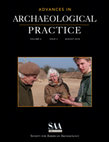
Advances in Archaeological Practice, 6 (3), 2018
During the 2014 excavation campaign at Vignale an impressive late antique mosaic depicting Aion, ... more During the 2014 excavation campaign at Vignale an impressive late antique mosaic depicting Aion, the God of Time, was discovered. This artifact of 100 m2 became a milestone for outreach activities; fund-raising, theatrical performances, and archaeological trekking sessions were tailored to this finding, in collaboration with local associations. The discovery of the mosaic consolidated the promotional lines followed for this project, on-site and off-site, capable of engaging different audiences. Taking into account the recent debate about emotion as an essential constituent of the heritage-making process, a preliminary analysis of these initiatives questions the existence and the development of an emotional connection between the public and the archaeological site. Since an emotional connection emerged, further analyses and studies need to specify the kinds of emotive connection that occur. Assessment of the emotional impact intrinsic to public outreach will provide clues to transforming the “intellectual” emotion of discovery into a shared and valuable emotion for the benefit of both the archaeological project and its stakeholders.
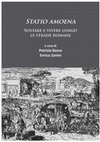
Statio Amoena - Sostare e vivere lungo le strade romane (Patrizia Basso and Enrico Zanini eds.)
Primary responsibility of an archaeologist is to explain to the public what he’s digging and he m... more Primary responsibility of an archaeologist is to explain to the public what he’s digging and he must strive to do it in the most engaging and stirring way as possible, using the most appropriate language.
This is one of the challenges of public archaeology that we daily face in Vignale.
Vignale is a Roman farm, villa and posting station situated in Val di Cornia (Tuscany, Italy) and since 2005 under excavation by University of Siena (see Giorgi in this volume).
One of the main features of the site is the lack of clear and visible evidences: the poor state of preservation makes even more complicated to illustrate a hardly definible structure - and difficult to imagine - as a mansio is.
The effort of understanding is so high that the usual guided tours are insufficient to suggest the visitors concrete images of the posting station and how it worked.
This paper focuses on how we handled this situation using public archaeology oriented strategies and how this approach was capable to generate virtuous mechanisms between the “Uomini e cose a Vignale” research project and the local community.
As emerging from the theoretical framework (see Merriman 2004, Schadla Hall 2006), public archaeology doesn’t have an univocal definition, but it’s declinable in different ways depending on the cultural and social context and on the methodological approaches (Matsuda, Okamura 2011, 2).
In our situation, public archaeology is the engine of a complex process, based on the continuous balance and the mutual stimulus between scientific research and our relationship with the local community. This process, as theorized by Matsuda and Okamura (2011, 4), is conceived as a dynamic endeavor, which consists of an everevolving two-stage cycle comprinsing the creation of the relationship with the people (research) and its consolidation through the active participation to the ongoing project (action).
Our approach, called "Excava(c)tion" (see Costa, Ripanti 2013), is not limited to the narration of the mansio but covers the other phases of use of the site. This approach takes place on the Web - with a website (www.uominiecoseavignale.it) and a related Facebook page - and mainly on the fieldwork.
Since the beginning of our research, we have taken advantage from its position of high visibility near a highway. This circumstance has lead a lot of people to the site and has requested us to think about our communication strategy and the way of interacting with the public. We chose a more effective, direct and comprehensible communication using narration and emotion and avoiding unnecessary technical words.
Depending on the kind of public, we propose specific activities, as laboratory and didactic work for children on the site and in classroom, dinner with figures in costume, archaeological hiking, theatrical performances and docudrama.
Usually people come to the site while we are working. To explain the poorly preserved mansio we stage different performances which involve the archaeologists themselves. For example, when we need to talk about the colonnade of the porch, each archaeologist mimes a column with its body standing in the exact position around the central courtyard. Moreover, especially when dealing with children, we perform the scene of the arrival of an horseman to the mansio in order to explain where the entrance was and how the spaces were organized.
Since 2014, our performances have been improved by the active help of the local associations. With their collaboration, we manage to organize more structured events, like “Una notte romana a Vignale”. In this occasion we opened the site in the evening, staging a theatrical performance in the mansio and setting up a refreshment point outside the fence.
What we propose is our idea of public archaeology: an archaeology that decodes the traces of the past; an archaeology that talks and deal with the community in which the site is situated; an archaeology that means social responsibility because translates the traces of the past in identity.
Books by Samanta Mariotti

The Past as a Digital Playground Archaeology, Virtual Reality and Video Games, 2022
The Past as Digital Playground: Archaeology, Virtual Reality, and Video Games collects the contri... more The Past as Digital Playground: Archaeology, Virtual Reality, and Video Games collects the contributions to a two-day conference which illustrate a digital project developed at the Archaeological and Technological Park of Poggibonsi (Siena, Tuscany), where Virtual Reality and an educational video game are being used to enhance the archaeological content deriving from the excavation of the medieval site. In recent decades, digital technologies have pervaded every aspect of the production of archaeological knowledge, from data collection to analysis and interpretation, to interaction with the public. The increasing convenience of 3D and interactive technologies has led to a proliferation of digital tools (VR, AR, mobile applications) used to communicate the past in a more engaging way, offering the public an experience that takes place largely outside of the traditional channels. Alongside the experience at Poggibonsi, the book also gathers important contributions originating from other Italian and international case studies in the fields of digital technologies applied to archaeological heritage.


Uploads
Talks by Samanta Mariotti
Questo è il compito che quotidianamente dobbiamo affrontare a Vignale. Un sito dove per necessità si è costretti a raccontare molto per colmare la mancanza di evidenze chiare e appariscenti. Lo scarso livello di conservazione rende ancora più complicato illustrare una struttura poco conosciuta come una mansio, già di per sé difficile da definire e ancor di più da immaginare.
Trovandosi il cantiere di scavo vicino ad una strada di grande comunicazione siamo stati fin da subito particolarmente esposti all’attenzione del pubblico. Questa contingenza ci ha richiesto di mettere in discussione la nostra strategia comunicativa e in generale il modo di porsi e presentarsi agli interlocutori. Una comunicazione più emotiva e narrata, spogliata da superflui e svianti tecnicismi, rende la divulgazione più chiara e diretta e la comprensione più efficace e funzionale.
Il nostro intervento si incentra sulla presentazione dei modi, dei sistemi e dei linguaggi con i quali affrontiamo e gestiamo la comunicazione della mansio a Vignale.
A seconda del pubblico che ci troviamo davanti infatti, proponiamo attività specifiche che vanno dai laboratori didattici agli incontri con le scuole, dalle cene in costume ai trekking archeologici, fino a suggestioni teatrali e ai docudrama.
Questo approccio partecipativo, “Excava[c]tion” (http://youtu.be/EGLMXjkZsfU), non si esaurisce alla sola narrazione della mansio ma viene declinato, in un’ottica di archeologia globale di un territorio, alle varie fasi di vita del sito.
Quello che proponiamo è la nostra idea di archeologia pubblica: un’archeologia che si pone come mediatrice nella decodifica dei segni del passato; un’archeologia che dialoga, comunica e si confronta con la comunità nella quale si inserisce; un’archeologia che si fa carico di una responsabilità sociale traducendo in identità le tracce che emergono dalla terra.
If you asked a friend of yours and his child what a mansio is, the best answer you could get would probably be “what?”. What’s actually a mansio? People generally know what thermae are, they can recognize a Roman road, the most capable ones even know what’s the difference between a Roman villa and those of today, but very few people know what a mansio is. If this cannot be considered a big flaw in terms of general culture, it can become a more serious matter if the excavation of a mansio is carried on right in the place where that friend and his child live: actually, primary responsibility of an archaeologist is to tell the public what he’s digging and he must strive to do it in the most engaging and stirring way as possible, using the most appropriate language.
This is the challenge we face daily in Vignale. A site where the lack of clear and visible evidences forces us to tell a lot. The poor state of preservation makes even more complicated to illustrate a very little known structure as a mansio is: a structure already difficult to define and even more to imagine.
The fieldwork is located in a position of high visibility near a highway. Since the beginning this situation leads a lot of people to the site and requested us to think about our communication strategy and the way of interacting with the public. We chose a more effective, direct and comprehensible communication using narration and emotion and avoiding unnecessary technical words.
Our paper focuses on this way of telling the site: what kind of activities, what languages we use to deal with and manage the communication.
Depending on the kind of public, we propose specific activities, as lab activities for children on the site and in classroom, dinner with figures in costume, archaeological hiking, theatrical performances and docudrama.
This participatory approach, called "Excava(c)tion", is not limited to the narration of the mansio but it is also used for the other phases of life of the site.
What we propose is our idea of public archaeology: an archaeology that decodes the traces of the past; an archaeology that talks and deal with the community in which the site is situated; an archaeology that means social responsibility because translates the traces of the past in identity.
Papers by Samanta Mariotti
This paper describes The Living Hill project dedicated to the Archaeological Park and Fortress of Poggio Imperiale in Poggibonsi, Italy and the methodological framework adopted: a) a preliminary deep analysis of the objectives, the context, and the expected audience; b) a
multi-professional collaboration (between archaeologists, developers, graphic designers) to make the best choices based on the primary analysis; c) a (first) final UX evaluation.
appear as a new tool to learn cultural content in an engaging way, to attract new publics and to enhance knowledge, awareness, and cultural tourism. This paper will provide a portrait of the current proposition of serious games in the archaeological sector in Italy, highlighting the educational objectives of serious games in this domain, and analysing the potentials of this tool. Later, an ongoing project concerning the presentation of the Poggio Imperiale Park in Poggibonsi (Siena, Tuscany) will be illustrated to underline how and why the design of a serious game for this specific site is to be considered as the last fragment of a very long and precise project aiming at enforcing a multi-level public outreach and heritage enhancement strategy.
Today's children, the so-called digital natives, live in a time when technology affects not only habits but also ways of learning. Schools do not always manage to keep up with the pace and, above all, for subjects such as History, whose content is often abstract and far removed from everyday life, this can be a major obstacle. Using game and storydoing practices can be an effective support to teaching and a useful expedient to involve children in learning. In this article, we present two different experiences that are based on this type of approach: a gamification laboratory and an educational video game (serious game). In both cases, interest in History is stimulated by game and identification; in doing so, children are transformed from passive storekeepers of knowledge into active players in the intellectual adventure of learning.
A dispetto della sua collocazione geografica, tuttavia, e se si escludono pochi frammenti ceramici raccolti in superficie nel corso degli anni, lo scavo non ha ancora restituito tracce di un insediamento strutturato di età preromana che, al momento, ipotizziamo essere sepolto sotto il solido impianto della villa/mansio di epoca romana.
Dal 2003 i campi di Vignale sono oggetto di una nuova stagione di indagini archeologiche, condotte in forme diverse di collaborazione nel corso del tempo dall'Università di Siena e dal MiBACT.
Originate da una nuova aratura e dall'opportunità di tutelare le famose terme individuate nel 1831 al momento della costruzione dell'Aurelia moderna e poi “perdute”, le nuove indagini a Vignale hanno progressivamente cambiato il loro punto focale: da scavo di tutela e e di formazione per giovani archeologi si sono trasformate in una lunga stagione di valutazione di un sito archeologico che si è andato svelando come di straordinaria complessità e di altrettanto straordinario interesse.
Dal punto di vista della ricerca, lo scavo si è definito ben presto come progetto “Uomini e Cose a Vignale - archeologia globale di un territorio”: fulcro dell'indagine non è solamente la villa/mansio di epoca romana con tutti i suoi annessi, ma la trasformazione complessiva di un microterritorio tra l’epoca preromana e la contemporaneità; alla base, un approccio archeologico sviluppato in modo tale da non privilegiare un aspetto o un’epoca a dispetto di altri, ma che si sforza di leggere i tanti
tempi e le tante forme del rapporto tra uomini e ambiente in questo pezzo della Maremma costiera.
Al tempo stesso, proprio in forza del suo rapporto strutturale con una comunità umana viva, Uomini e cose a Vignale è divenuto un progetto di archeologia comunitaria ormai in grado di coinvolgere i vari livelli della popolazione locale (dalle amministrazioni pubbliche, alle numerose associazioni, dai bambini delle scuole, ai comuni cittadini) e teso a ricostruire e consolidare il rapporto tra quella comunità e il proprio passato.
Dieci anni dopo l'avvio del progetto, possiamo inoltre constatare che si è così garantito alla ricerca sul campo di sopravvivere anche al venir meno di finanziamenti istituzionali e alla grande crisi economica degli ultimi anni: aver trasformato lo scavo in una operazione di archeologia pubblica e condivisa ha significato infatti anche un coinvolgimento diretto del tessuto economico del territorio con diverse aziende che sostengono il progetto erogando servizi e supporto logistico.
In questo senso, l’archeologia riesce a caratterizzarsi come una azione collettiva, intesa a restituire profondità storica e identità ad una comunità umana di recente formazione, ma che è erede di una lunghissima storia di relazioni umane che si sono stratificate nel territorio e nel sito archeologico che lo sintetizza.
of Monforte San Giorgio and the Department of History and Cultural Heritage of the
University of Siena, and aimed to an archaeological assessment of the historical complexity of an “average” small town in contemporary Sicily. The project is intended to understand – and above all to make the local heritage community understand – when, how and why this small town of Sicily, like many others in Southern Italy and in the Mediterranean, has assumed its current conformation. Starting from this basis, specific activities were designed and implemented with the cooperation of the local community: a) participatory archaeology activities, involving schools, cultural associations and individual citizens; b) realization of thematic routes, usable also through mobile phone apps; c) re-qualification of specific elements of the urban fabric; d) regeneration of the relationship between men and things in the urban space, with the aim of inducing virtuous behaviors and best practices of respect and protection of one’s living space and relationship.
terms of economic management largely based on crowdfunding and crowdsourcing strategies. Introducing some of these traits and presenting a recent evaluation of the project, the aim of this paper is to critically address the social, intellectual and economic sustainability of Uomini e Cose a Vignale over time.
This is one of the challenges of public archaeology that we daily face in Vignale.
Vignale is a Roman farm, villa and posting station situated in Val di Cornia (Tuscany, Italy) and since 2005 under excavation by University of Siena (see Giorgi in this volume).
One of the main features of the site is the lack of clear and visible evidences: the poor state of preservation makes even more complicated to illustrate a hardly definible structure - and difficult to imagine - as a mansio is.
The effort of understanding is so high that the usual guided tours are insufficient to suggest the visitors concrete images of the posting station and how it worked.
This paper focuses on how we handled this situation using public archaeology oriented strategies and how this approach was capable to generate virtuous mechanisms between the “Uomini e cose a Vignale” research project and the local community.
As emerging from the theoretical framework (see Merriman 2004, Schadla Hall 2006), public archaeology doesn’t have an univocal definition, but it’s declinable in different ways depending on the cultural and social context and on the methodological approaches (Matsuda, Okamura 2011, 2).
In our situation, public archaeology is the engine of a complex process, based on the continuous balance and the mutual stimulus between scientific research and our relationship with the local community. This process, as theorized by Matsuda and Okamura (2011, 4), is conceived as a dynamic endeavor, which consists of an everevolving two-stage cycle comprinsing the creation of the relationship with the people (research) and its consolidation through the active participation to the ongoing project (action).
Our approach, called "Excava(c)tion" (see Costa, Ripanti 2013), is not limited to the narration of the mansio but covers the other phases of use of the site. This approach takes place on the Web - with a website (www.uominiecoseavignale.it) and a related Facebook page - and mainly on the fieldwork.
Since the beginning of our research, we have taken advantage from its position of high visibility near a highway. This circumstance has lead a lot of people to the site and has requested us to think about our communication strategy and the way of interacting with the public. We chose a more effective, direct and comprehensible communication using narration and emotion and avoiding unnecessary technical words.
Depending on the kind of public, we propose specific activities, as laboratory and didactic work for children on the site and in classroom, dinner with figures in costume, archaeological hiking, theatrical performances and docudrama.
Usually people come to the site while we are working. To explain the poorly preserved mansio we stage different performances which involve the archaeologists themselves. For example, when we need to talk about the colonnade of the porch, each archaeologist mimes a column with its body standing in the exact position around the central courtyard. Moreover, especially when dealing with children, we perform the scene of the arrival of an horseman to the mansio in order to explain where the entrance was and how the spaces were organized.
Since 2014, our performances have been improved by the active help of the local associations. With their collaboration, we manage to organize more structured events, like “Una notte romana a Vignale”. In this occasion we opened the site in the evening, staging a theatrical performance in the mansio and setting up a refreshment point outside the fence.
What we propose is our idea of public archaeology: an archaeology that decodes the traces of the past; an archaeology that talks and deal with the community in which the site is situated; an archaeology that means social responsibility because translates the traces of the past in identity.
Books by Samanta Mariotti